
Sorghum 101 – The Basics
About Sorghum
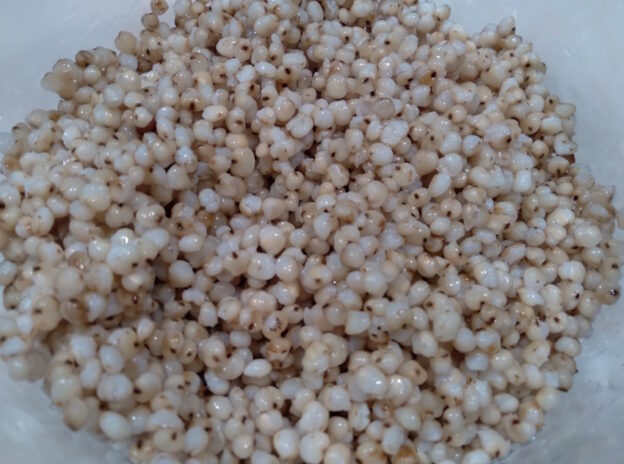
Sorghum is an ancient grain that is versatile and packed full of nutrients. It belongs to the grass family, Poaceae. Sorghum is small, round, and usually white or pale yellow, with some varieties being red/burgundy, brown, black, or yellow. It can be cooked like rice or quinoa, ground into flour, or popped like popcorn. Sorghum is one of the leading five cereal crops in the world, with the United States being the top producer.
The domestication of sorghum dates back to 8,000 BC in northeastern Africa. Over time it was carried throughout Africa and eventually around the world. The earliest record of sorghum in the United States comes from Ben Franklin in 1757 when he wrote about its application in making brooms.
In the United States and many other countries, sorghum is mostly used for livestock feed and other applications in the animal industry. It is also used for renewable fuel production in the making of ethanol. However, the grain is becoming increasingly popular in the consumer food industry. Its rich nutritional profile makes sorghum an inviting food for consumers and foodservice professionals to explore creative new ways to serve meals and snacks. Sorghum can be cooked on a stovetop, in a slow cooker, an oven, and even a rice cooker. It is becoming increasingly popular, in part, because it is non-GMO, gluten-free, and high in protein and other nutrients. It is also relatively inexpensive.
Nutrition and Health Benefits
When we say that sorghum is packed full of nutrients, it is no exaggeration. We often think of quinoa as being a nutritional powerhouse, but in all but one of the following nutrients (riboflavin), sorghum tops quinoa in its nutritional content.
Sorghum is an excellent source of protein, containing 20% or more of the Daily Value in one serving, fiber, phosphorus, zinc, thiamin, niacin, Vitamin B6, selenium, copper, iron, magnesium, and manganese. It is a good source of riboflavin, pantothenic acid, and potassium. It also contains some Vitamin E and folate. Overall, sorghum beats quinoa, corn, wheat, oats, and rice in its nutritional content. It is also very rich in antioxidants, providing many health benefits helping to protect us against chronic disease. If that’s not enough, sorghum is naturally gluten-free, so it’s an excellent choice for anyone suffering from celiac disease or non-celiac gluten sensitivity. That’s saying a lot for one food!
* Sorghum is gluten free. Many people are avoiding gluten for health reasons, such as celiac disease or non-celiac gluten sensitivity. The demand for gluten-free products is increasing. Sorghum can be a good alternative to gluten-containing grains since there are different varieties and they can be used in a number of ways. It can be popped like popcorn, ground into flour and used in baked goods such as breads, cookies, and other desserts, or used as a whole grain in soups, stews, casseroles, other main dishes, and many types of side dishes.
* Sorghum is rich in antioxidants. Whole grain sorghum has a wide array of phytonutrients that function as antioxidants in the body. They include varieties of tannins, phenolic acids, anthocyanins, phytosterols, and policosanols. The bran layer of sorghum has significantly more antioxidants than fruits like blueberries, strawberries, and plums. Antioxidants are known to help slow down the aging process and eating foods high in antioxidants has been linked to a lower risk of developing heart disease, cancer, Type 2 diabetes, and some neurological diseases. Furthermore, antioxidants in whole grains, like sorghum, have been shown to lower mortality rates from cardiovascular disease by reducing blood cholesterol and preventing arterial clotting.
* Sorghum is anti-inflammatory. Many diseases are promoted by chronic inflammation. The antioxidants in sorghum can help to combat cellular damage by reducing inflammation. In a review of 19 studies that appeared in the November 2016 issue of Nutrition Reviews, researchers confirmed that sorghum decreased markers of inflammation.
* Sorghum may improve blood sugar. In the same review of 19 studies (mentioned in the previous paragraph) that appeared in the November 2016 issue of Nutrition Reviews, researchers also found that sorghum improved blood glucose levels. It appears to play a significant role in supporting glucose homeostasis, which is extremely important in managing diabetes. This could be very helpful to those living with diabetes or prediabetes. Note that blood glucose responses to food will vary from person to person, based on how much carbohydrate is eaten at one time, and what other foods are eaten along with the carbohydrate foods within the same meal.
* Sorghum improves digestive health. Sorghum is an excellent source of dietary fiber. Having ample fiber in the diet is vital for proper digestive function. It keeps the contents of your GI tract moving forward, preventing constipation. It also helps to regulate blood sugar, lower cholesterol, and prevent diverticulitis, hemorrhoids, gallstones, and kidney stones.
* Sorghum Inhibits cancer. Some phytonutrients in sorghum have been shown to have cancer-inhibiting benefits, especially of gastrointestinal and skin cancers. Research studies have linked sorghum to reduced risk of esophageal cancer, whereas wheat and corn consumption have been linked with higher rates. Whole grains in general have been linked with reduced rates of other digestive tract cancers, especially colon cancer. Scientists are not sure if it is due to specific phytochemicals or the fiber in the grain. Sorghum is high in both components, so including sorghum in the diet helps to guard against such types of cancer.
* Sorghum may help with cholesterol management. In the September 2005 issue of The Journal of Nutrition, researchers tested the effect of sorghum lipids on the cholesterol levels of animals. Non-HDL cholesterol levels were lowered in all animals tested when given varying amounts of sorghum lipid extracts for four weeks. The level of HDL (the “good” cholesterol) was not affected. The researchers concluded that phytonutrient components of sorghum grain may work collectively in lowering plasma and liver cholesterol concentrations. They further stated that the data suggested that sorghum could be used to manage cholesterol levels in humans.
Types of Sorghum
There are numerous different types of sorghum, including white, burgundy (also referred to as red sorghum), brown (also referred to as sumac sorghum), and black sorghum. White sorghum is the most commonly found variety, followed by burgundy (or red sorghum), brown (or sumac), then black. There is also reference in the literature to waxy white, waxy burgundy, and yellow sorghum varieties, but they are not readily available on the retail market. All sorghum is naturally gluten-free so any type would be appropriate for anyone with celiac disease, gluten intolerance, or gluten sensitivity.
White Sorghum. This is readily available online, packaged in one pound or more increments. It may be sold ground as white sorghum flour that can be used in gluten-free baking, adding valuable protein and nutrients to your baked dish. It is also sold as a whole grain that can be cooked and enjoyed as you would any whole grain. White sorghum is high in resistant starch, which has been shown to help improve insulin sensitivity, lower blood sugar levels, reduce appetite, and aid digestion. Some grocery stores carry white sorghum, whole or ground into flour. If your grocery store does not carry sorghum, shop for it online.
Burgundy (or Red) Sorghum. Burgundy sorghum is usually referred to as red sorghum. Because of its rich color, it is very high in antioxidants. Burgundy or red sorghum has a similar nutrition profile as white sorghum, but with enhanced benefits from the additional antioxidants. Red sorghum has been used commercially in the production of fermented products and beer.
Brown (or Sumac) Sorghum. Like burgundy or red sorghum, brown (or sumac) sorghum is high in antioxidants and fiber. It is an excellent addition to any diet for its anti-inflammatory benefits, and is excellent in the making of pasta and porridge. Brown (or sumac) sorghum is a relative of the spice sumac, but they are not the same thing.
Black Sorghum. Black sorghum is high in antioxidants, protein, and fiber. It can be ground into flour and used to create artisan breads, cakes, cookies, and brownies with a dark color and high nutritional value. Black sorghum may also be sprouted, used in pilafs, soups, stews, and also enjoyed as a cereal. This type of sorghum is not suitable for popping, as the yield will be very low. Black sorghum is available on the retail market, but it is very hard to find.
How to Store Sorghum
Like other whole grains, sorghum should be stored in an airtight container in a cool, dry, dark place. It can be stored for up to a year in the freezer or about six months in the pantry. Once it is cooked, it should be stored in the refrigerator in an airtight container and used within one week.
If you have cooked more sorghum than you need at that time, it can easily be frozen for later. Simply put the cooked sorghum in a freezer container and place it in the freezer. It can be reheated on the stove, in the oven, or in the microwave. Adding a small amount of water to it when reheating will help to keep it from drying out and/or sticking to the pan when being reheated.
How to Prepare Sorghum
Since there are different forms of sorghum grain, it is important to follow the package directions, appropriate for what you have. In general, to prepare the whole grain, rinse them well first, and drain off the rinse water. Place one part of rinsed, raw sorghum grains in a pot with 4 parts of water, broth, or other liquid. Any flavorings, such as salt, may be added at this time. Bring the mixture to a boil, then reduce heat to medium-high. Cook uncovered for 50 to 60 minutes, until the grains are soft and chewy. Drain and serve.
To cook sorghum in a crock pot or slow cooker, first rinse and drain your whole grain sorghum. Then place 1 cup of rinsed sorghum and 4 cups of water or liquid of choice to your crockpot. Cover the pot and set it on high for 4-1/2 to 5 hours, until it is fully cooked. Drain off the excess liquid into a colander. Rinse the cooked grains, if needed, season as desired, and serve.
To cook whole grain sorghum in a pressure cooker, rinse and drain 1 cup of sorghum and place it in your cooker. Add 2 cups of water or stock. Set the cooker on high pressure for 20 minutes. Once the pressure cooker is finished, remove from heat and release the pressure before removing the lid. Drain the sorghum into a small colander. Rinse the sorghum and fluff it with a fork. Add your favorite seasonings or other ingredients, and serve, or add it to your recipe.
Quick Ideas and Tips for Using Sorghum
There are different forms of sorghum that can be used in different ways:
* Whole grain sorghum includes the whole grain with all three parts: the bran, the endosperm, and the germ. Whole grain sorghum can be boiled or steamed and enjoyed alone or added to salads, side dishes, soups, stews, pilafs, grain bowls, or main dish recipes.
* Pearled grain sorghum has had the bran and some of its germ removed. It is softer than the whole grain variety. Pearled sorghum goes well in soups.
* Popped or popping sorghum is smaller, sweeter, and more nutrient-dense than popcorn. It has fewer calories and less fat. It can be popped in the microwave or on the stove. It can also be purchased already popped.
* Flaked sorghum is also available. It is similar to other grains, like oats. Flaked sorghum is delicious as a cereal and in baked goods, like granola bars and cookies.
* If you’re new to using sorghum, it’s a chewy gluten-free grain that works well in grain bowls, salads, soups, stews, pilafs, side dishes, main dishes, and even baked goods. It can be cracked and used as a porridge or in a risotto-like dish. It can even be popped like popcorn.
* Sorghum syrup is a natural sweetener made from the stalks of sweet sorghum. It is similar to molasses, although it tastes sweeter. It is actually lower in total sugars than molasses, but higher in fructose, giving it a sweet flavor. Sorghum syrup can be used in baked goods and desserts. Typically it can be substituted for molasses on a 1:1 basis, but if you find sorghum syrup to be too sweet, reduce the amount of syrup while slightly increasing the amount of other liquid in your recipe.
* To help make sorghum easier to digest, it can be soaked for 8 hours or overnight before being cooked. Note that presoaking sorghum is not mandatory, but may be helpful for those with digestive issues. Discard the soaking water and boil it in three times more fresh water than sorghum for about an hour, or until tender, then drain off excess water. Soaked sorghum may also be cooked in a rice steamer or slow cooker.
* Whole grain sorghum can be popped like popcorn. Place ½ cup of whole grain popping sorghum into a small paper bag. Fold down the top of the bag and lay the bag flat in a microwave, with the fold facing down. Cook on high for 2 to 3 minutes (depending on the strength of your microwave), or until there are more than 10 seconds between pops. Remove the bag from the microwave and sprinkle lightly with salt or other toppings of choice. Enjoy!
* To pop sorghum on the stovetop, heat a stainless steel pot with a tight-fitting lid over medium heat. Add 2 teaspoons of oil, if desired. When the pan is hot, add ½ cup of whole grain popping sorghum and cover with the lid. Shake the pot often to prevent burning. When there are more than 10 seconds between pops, remove from the heat. Sprinkle lightly with salt or other seasonings of choice. Enjoy!
* For a delicious side dish, combine cooked sorghum with roasted vegetables of choice, and caramelized onions and mushrooms.
* Sorghum has a nice chewy texture and nutty flavor, so it makes an excellent addition to a grain bowl or salad.
* Sorghum is a very versatile grain that could be used in place of rice in just about any dish, whether it’s a main course, side dish, pilaf, soup, stew, or even dessert such as rice pudding. Since it does have a long cooking time, in some cases it may be best to precook the sorghum before incorporating it in a recipe.
* For an easy side dish with sorghum, cook sorghum grains until tender, then sauté them with aromatic vegetables like onions and garlic. Add in vegetables of choice, and finish with a little sprinkle of fresh herbs, such as parsley or cilantro. You’ll have a flavorful dish that should please most anyone.
* Try using sorghum instead of bulgur wheat when making tabbouleh for a gluten-free alternative.
* When baking with sorghum flour, it’s important to note that sorghum flour absorbs more liquid than does wheat flour. So, the liquid ingredients in a recipe may need to be adjusted. Also, since sorghum does not contain gluten, it cannot be substituted 100% for wheat flour in baked goods containing yeast. It should be used like other gluten-free flours, where a mixture of flours and a binder of some sort (such as xanthan gum or guar gum) will help improve the texture of the baked product.
Herbs and Spices That Go Well with Sorghum
Basil, bay leaf, cardamom, cayenne, chili flakes, chili powder, cilantro, cinnamon, cloves, coriander, cumin, curry powder, dill, fennel seeds, garlic powder, marjoram, mint, nutmeg, oregano, paprika, parsley, pepper (black), rosemary, saffron, salt, tarragon, thyme, turmeric
Foods That Go Well with Sorghum
Proteins, Legumes, Nuts, Seeds: Beans (in general), edamame, eggs, legumes (in general), lentils, meats, nuts (in general), peas, pine nuts, poultry, seafood, sesame seeds, tahini, tofu, walnuts
Vegetables: Bell peppers, broccoli, broccoli rabe, cabbage, carrots, chives, cucumbers, eggplant, fennel, garlic, ginger, kale, leafy greens (in general), mushrooms, onions, scallions, spinach, sprouts (i.e., bean, pea), squash (winter and summer), tomatoes, vegetables (in general)
Fruits: Avocadoes, coconut, dried fruit (in general), lemons, limes, oranges, pineapple, pumpkin, raisins
Grains and Grain Products: Other grains (in general)
Dairy and Non-Dairy Products: Cheese (i.e., feta, Parmesan), coconut milk, cream, milk, yogurt
Other Foods: Mirin, miso, oil (esp. olive, sesame), sea vegetables, soy sauce, stock, vanilla, vinegar (esp. rice)
Sorghum has been used in the following cuisines and dishes…
African cuisines, cereals (hot), Indian cuisine, khichuri, pilafs, popped sorghum, porridges (savory or sweet), salads (grain), soups
Suggested Food and Flavor Combos Using Sorghum
Try any of the following combinations…
Sorghum + Almonds + Cinnamon + Fruit + Maple Syrup + Vanilla
Sorghum + Black Beans + Garlic + Kale + Tahini
Sorghum + Butternut Squash + Garlic
Sorghum + Carrots + Leeks or Onions + Parsley [in a pilaf]
Sorghum + Cilantro + Garlic + Lime + Onions
Sorghum + Cinnamon + Raisins + Vanilla + Milk
Sorghum + Coconut + Raisins
Sorghum + Dates + Pecans
Sorghum + Dried Cherries + Pine Nuts
Sorghum + Feta Cheese + Mint
Sorghum + Fruit (of choice) + Nuts (of choice)
Sorghum + Ginger + Leeks + Peas
Sorghum + Kale + Scallions
Sorghum + Lentils + Spinach
Sorghum + Mushrooms + Spinach + Tofu
Sorghum + Sage + Root Vegetables
Sorghum + Sesame Seeds + Mushrooms + Tofu
Recipe Links
Garden Vegetable Stir-Fried Sorghum https://www.sorghumcheckoff.com/recipes/garden-vegetable-stir-fried-sorghum/
Southwest Sorghum Sliders https://www.sorghumcheckoff.com/recipes/southwest-sorghum-sliders/
Wondergrain Stir-Fry https://www.sorghumcheckoff.com/recipes/wondergrain-stir-fry/
Pearled Sorghum Cowboy Dip https://www.sorghumcheckoff.com/recipes/pearled-sorghum-cowboy-dip/
Tex-Mex Sorghum Chili https://www.sorghumcheckoff.com/recipes/tex-mex-sorghum-chili/
Stir-Fried Thai Sorghum Bowl https://www.sorghumcheckoff.com/recipes/stir-fried-thai-sorghum-bowl/
Green Goddess Buddha Bowl (Vegan, Gluten-Free) https://www.sorghumcheckoff.com/recipes/green-goddess-buddha-bowl-vegan-gluten-free/
Popped Sorghum Peanut Butter Balls https://www.sorghumcheckoff.com/recipes/popped-sorghum-peanut-butter-balls/
Moroccan Chickpea Sorghum Bowl https://www.sorghumcheckoff.com/recipes/moroccan-chickpea-sorghum-bowl/
Sorghum Fruit Pico De Gallo https://www.sorghumcheckoff.com/recipes/sorghum-fruit-pico-de-gallo/
Spring Tahini Sorghum Lentil Bowl https://www.sorghumcheckoff.com/recipes/spring-tahini-sorghum-lentil-bowl/
Sorghum Tabbouleh https://www.sorghumcheckoff.com/recipes/sorghum-tabbouleh/
Sorghum Grape Lentil Salad https://www.sorghumcheckoff.com/recipes/sorghum-grape-lentil-salad/
Zest Fest Salad with Lemon Lime Dressing https://www.sorghumcheckoff.com/recipes/zest-fest-salad-with-lemon-lime-dressing/
Cucumber Sorghum Salad https://naturallyella.com/cucumber-sorghum-salad/
Garlic Green Beans with Sorghum and Walnuts https://naturallyella.com/garlic-green-beans-with-sorghum-and-walnuts/
Roasted Carrot Multi-Grain Pilaf with Pepita Pesto https://naturallyella.com/roasted-carrot-multigrain-pilaf/
Sorghum Tabouli https://naturallyella.com/sorghum-tabouli/
Three Grain Pilaf with Roasted Asparagus https://naturallyella.com/grain-pilaf-with-asparagus/
15 Scrumptious Sorghum Recipes https://nutriciously.com/sorghum-recipes/
20 Tasty Sorghum Recipes You Need to Make Right Now https://www.eastewart.com/recipes-and-nutrition/ancient-grains-20-sorghum-recipes-youll-love/
25 Best Sorghum Recipes and Menu Ideas https://insanelygoodrecipes.com/sorghum-recipes/
Curried Sorghum Cakes with Carrots and Arugula https://zestfulkitchen.com/curried-sorghum-cakes-with-carrots-and-arugula-recipe/#tasty-recipes-4325-jump-target
Resources
https://www.sorghumcheckoff.com/sorghum-101/
https://www.jstage.jst.go.jp/article/ras/8/0/8_354/_html/-char/ja
https://nulifemarket.com/types-of-sorghum/
https://www.spiceography.com/sumac/
https://www.healthline.com/nutrition/sorghum
https://www.americansorghum.com/7-benefits-of-eating-sorghum/
https://pubmed.ncbi.nlm.nih.gov/27694643/
https://www.verywellfit.com/sorghum-nutrition-facts-and-health-benefits-5093271
https://pubmed.ncbi.nlm.nih.gov/16140904/
https://www.sciencedirect.com/science/article/abs/pii/S003194220400144X?via%3Dihub
https://www.sciencedirect.com/science/article/pii/S2772753X23003222
https://www.healthline.com/nutrition/resistant-starch-101
https://www.sciencedirect.com/science/article/abs/pii/S003194220400144X?via%3Dihub
https://www.sorghumcheckoff.com/recipes/popped-sorghum-microwave-recipe/
https://naturallyella.com/pantry/grains/sorghum/
https://www.savorysuitcase.com/how-to-use-sorghum-in-cooking/
Page, Karen. (2014) The Vegetarian Flavor Bible. New York, NY: Little, Brown and Company.
About Judi
Julia W. Klee (Judi) began her journey enjoying “all things food” in elementary school when she started preparing meals for her family. That love of food blossomed into a quest to learn more and more about health and wellness as related to nutrition. She went on to earn a BS Degree in Food and Nutrition, then an MS Degree in Nutrition. She has taught nutrition and related courses at the college level to pre-nursing and exercise science students. Her hunger to learn didn’t stop upon graduation from college. She continues to research on a regular basis about nutrition as it relates to health. Her hope is to help as many people as possible to enjoy foods that promote health and wellness.
 English