
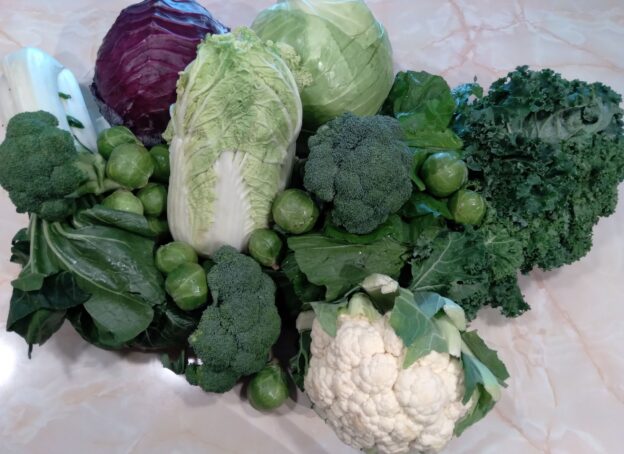
What Are Cruciferous Vegetables?
Cruciferous vegetables are a group of plants belonging to the Brassicaceae family (also called Cruciferae, meaning “cross-bearing”). They earned the name “cruciferous” because of the shape of their flowers, whose four petals resemble a cross. In North America, many of these vegetables are known as cole crops, whereas in the UK, Ireland, and Australia, they are often referred to as “brassicas.” No matter what they are called, they are enjoyed by people around the world, and are one of the dominant food crops globally.
At least some of this group of edible plants appear to have developed from wild plants growing in the eastern Mediterranean region. Roman conquerors brought the vegetables to the British Isles around 500 AD. Also, a common ancestor of these plants appears to have originated in Northern Europe where headless cabbages were first cultivated thousands of years ago. The crop spread around Europe and Asia where it transformed into the many types of cruciferous vegetables that we know today. Some, such as broccoli and cauliflower were selected for their large flowering heads. Others, such as mustard, collards, and bok choy were grown for their big leaves. Yet others, such as turnips, radishes, and kohlrabi, were selected for their bulbous stems and roots.
List of Common Cruciferous Vegetables
The Brassicaceae family of plants is a diverse group of vegetables that includes many foods that we are already familiar with. There are actually over 3,000 different species of plants that fall in this category, including leaf and root vegetables, oilseed, and condiment crops. Examples of some common cruciferous vegetables are included in the following list. (Note that some may not be familiar to you, depending on where you live.)
Arugula
Bok Choy
Broccoli
Broccoli Rabe (Rapini)
Broccoli Romanesco
Brussels Sprouts
Cabbage
Cauliflower
Chard
Chinese Broccoli
Chinese Cabbage
Collard Greens
Daikon Radish
Garden Cress
Horseradish
Kale
Kohlrabi
Komatsuna (Japanese
mustard spinach)
Land Cress
Mizuna
Mustard (seeds and
leaves)
Radish
Rutabaga
Tatsoi
Turnips (roots and greens)
Wasabi
Watercress
Nutrients in Cruciferous Vegetables
Even though this group includes a wide array of vegetables of different colors, shapes, and sizes, they share many nutritional similarities which are extremely health-promoting. Most are rich in an array of vitamins, minerals, and phytonutrients, which are plant compounds that help to reduce inflammation and the risk of serious diseases, such as cancer. They are very nutrient-dense, meaning they have few calories compared with their nutritional value. This helps to nourish the body, while keeping you full and satisfied without overeating.
Cruciferous vegetables are very diverse, allowing us to eat different parts of the plants, including the seeds, roots, stems, leaves, and flowering heads. Because of this, their nutritional content will vary somewhat from plant to plant. However, most are rich in vitamins, minerals, and other compounds that have many health benefits. The dark green vegetables are a rich source of nutrients that help to reduce inflammation and lower our risk of developing serious conditions, especially cancer. They are also rich in fiber, which helps to keep us full and satisfied, while feeding our gut microbiome.
Overall, cruciferous vegetables contain a variety of nutrients, including Vitamins A (from carotenoids, including lutein and zeaxanthin), C, E, K, folate and other B-Vitamins, and calcium, magnesium and potassium. They also contain essential trace minerals such as iron, selenium, copper, manganese, and zinc. They are high in fiber, and even contain protein and some healthy fatty acids (such as omega-6’s and omega-3’s).
Other Important Compounds in Cruciferous Vegetables That Make Them So Special
Over 10,000 different phytonutrients have been identified in whole plant foods, with many more likely to be found. The following are just examples of the important, health-promoting compounds found in the cruciferous family of vegetables.
Glucosinolates. The egg-like aroma of cruciferous vegetables (especially when cooked) indicates they have sulfur-containing compounds called glucosinolates. These compounds contain sulfur and nitrogen derived from a combination of glucose and various amino acids. Glucosinolates are responsible for the bitter flavor and sulfur-like aroma found in cruciferous vegetables. Over 120 types of glucosinolates have been identified. However, not all are found in plants that humans consume. Of the cruciferous vegetables commonly found in the human diet, kale and Brussels sprouts have the most glucosinolates.
The type of glucosinolate formed in a plant determines the types of sub-compounds that are formed when plant cells are broken. When a glucosinolate-containing plant is cut, chewed, or blended, myrosinase enzymes break down the glucosinolates forming a variety of products, including isothiocyanates, nitriles, and thiocyanates. Our gut microbiome has also been found to convert glucosinolates into isothiocyanates.
The sub-compounds can be further divided into assorted break-down products, such as aliphatic, indole, and aromatic glucosinolates. Glucosinolates and their break-down products are actually part of the defense mechanism of plants. They help to protect the plant from specific pathogens, insects, and herbivores. In humans, these compounds provide anti-inflammatory, antioxidant, anti-cancer, cardio-protective, neurological, and musculoskeletal protection against various disorders. Many of the healthful benefits of glucosinolates have been linked to the actions of isothiocyanates.
Various factors affect the type and concentration of glucosinolates found in cruciferous vegetables, including the specific species, growth conditions, storage conditions, preparation, and cooking methods. For instance, cooking damages the myrosinase enzyme found in cruciferous vegetables, with high temperatures and long cooking times resulting in greater losses. When preparing cruciferous vegetables for cooking, to get the most benefit from them, wash the vegetables and cut them as desired. Allow them to rest about 40 minutes, then steam them to get the most glucosinolates out of them. Boiling, microwaving, and pressure cooking can cause up to 90 percent or more of the glucosinolates to be lost.
Because commercially frozen vegetables are typically processed shortly after harvest, frozen cruciferous vegetables have been found to have a higher level of glucosinolates compared with those that have had prolonged refrigeration. The longer they have been stored fresh (in refrigeration) since harvest, the greater the loss, so it is best to consume them as soon after harvest as possible. Consuming them raw (and chewing them very well), especially when they have been freshly harvested, will yield the greatest benefit.
To get the absolute most benefit from cruciferous vegetables, grow them as sprouts. For instance, 3-day-old broccoli and cauliflower sprouts have been found to contain 10 to 100 times higher glucoraphanin levels per gram when compared to their mature plant forms. Jar sprouts are fast and easy to grow and only require seeds for sprouting, a mason jar with a sprouting lid, and water!
Glucoraphanin. This compound is a major component of broccoli, kale, Brussels sprouts, cabbage, and other cruciferous vegetables. Glucoraphanin is an intermediate compound that is broken down into sulforaphane (which is a type of isothiocyanate), some other isothiocyanates, and inactive nitrile compounds. Broccoli appears to be the best source of sulforaphane, with broccoli sprouts having 10 times or more sulforaphane than the mature plant. The type of isothiocyanate produced in a plant (when glucoraphanin is broken down) varies among the different cruciferous vegetables.
For the production of sulforaphane, glucoraphanin must be damaged by cutting, chopping, or chewing the plant. This allows glucoraphanin to come in contact with the enzyme myrosinase, which in turn, produces sulforaphane. Cooking deactivates the myrosinase enzyme. To get the most sulforaphane from broccoli that will be cooked, chop it at least 40 minutes before cooking. Also, adding a little mustard powder to the cooked broccoli can help to stimulate the production of sulforaphane. Why use mustard powder? Mustard plants also contain the enzyme myrosinase. Just adding a pinch of mustard powder to cooked broccoli reactivates the sulforaphane. This same principle applies when using frozen broccoli. Add a little mustard powder to the pot and myrosinase will start the production of sulforaphane.
Sulforaphane. Sulforaphane, a sulfur-rich compound, promotes the production of glutathione and its phase 2 enzyme, glutathione S-transferase. This increased activity reduces the risk of bladder cancer in people who regularly eat cruciferous vegetables. Sulforaphane acts as a potent antioxidant, reducing oxidative stress, helping to protect us from lung, breast, prostate, and bladder cancers.
Sulforaphane also appears to have antiarthritic benefits, protecting cartilage with anti-inflammatory effects.
Sulforaphane may also benefit heart health by reducing inflammation, which can lead to narrowing of the arteries, a major cause of heart disease.
Sulforaphane also appears to help people with Type 2 diabetes by reducing blood sugar levels.
Sulforaphane may also help with certain types of autism by improving social interaction and communication skills, protect the skin from damage caused by ultraviolet rays from the sun, and protect against degenerative diseases causing mental decline with age.
Isothiocyanates. Isothiocyanates are biologically active compounds that are formed during the breakdown of glucosinolates, which are found mainly in cruciferous vegetables. Each glucosinolate forms a different isothiocyanate. Isothiocyanates are carried to the liver where they are converted to glutathione and metabolized before being excreted from the body through urine. Different isothiocyanates have been identified and were found to have anti-cancer, anti-inflammatory, and antioxidative properties. As mentioned earlier, a high intake of cruciferous vegetables has been associated with a lower risk for cancer.
Indoles. Indoles are formed when glucosinolates are broken down. Indoles give cruciferous vegetables their sulfur-like aroma and flavor. They are important compounds to plants, as they influence various aspects of growth, development, and defense mechanisms. They also contribute significant health benefits to humans. Indoles appear to support detoxification, balance inflammatory responses, and aid in hormonal support. They are also known antioxidants, helping to neutralize harmful free radical molecules in the body that can cause damage to cells. This helps to support overall health. These benefits also help to support cardiovascular health by regulating vascular function, inflammation, and oxidative stress. Research has shown that specific indoles, such as indole-3-carbinol, help to reduce the risk of certain types of cancer. Cruciferous vegetables include some of the richest dietary sources of indoles.
Carotenoids. In addition to their rich content of vitamins and minerals, cruciferous vegetables are also rich in carotenoids, including beta-carotene, lutein, and zeaxanthin. Carotenoids are fat-soluble molecules that are found in many fruits and vegetables. They can also be made by certain bacteria, algae, and fungi. In humans, carotenoids have antimicrobial and anti-inflammatory properties, act as powerful antioxidant agents, and are known to help prevent cancer, cardiovascular disease, and cataracts. About 40 different carotenoids have been identified in the human diet.
Polyphenols. Polyphenols are a group of compounds found in many plant foods, including fruits, vegetables, nuts, seeds, grains, herbs, and spices. In the vegetables category, broccoli was found to be especially high in these compounds. Polyphenols act as antioxidants, neutralizing harmful free radical molecules that can damage cells, increasing the risk of serious conditions like cancer, diabetes, and heart disease. They also help to reduce inflammation, which is believed to be the root cause of many chronic illnesses.
Over 8,000 types of polyphenols have been identified. They can be sub-categorized into four main groups: flavonoids, phenolic acids, polyphenolic amides, and other polyphenols. Most polyphenols are classified as flavonoids, which are found in an array of foods, including purple cabbage. The type of food, its origin, ripeness, and how it was farmed, transported, stored, and prepared will affect the amount and types of polyphenols in a food.
Polyphenols have been found to lower blood sugar levels by helping to stimulate the release of insulin, reducing the risk of Type 2 diabetes. Research studies have linked polyphenol-rich diets with lower fasting blood sugar levels, higher glucose tolerance, and increased insulin sensitivity.
Polyphenols may also help to lower the risk of heart disease, due to their strong antioxidant properties, helping to reduce chronic inflammation, which is a risk for heart disease.
Polyphenols may also reduce your risk of developing blood clots, which may lead to stroke and pulmonary embolism.
Researchers have linked diets rich in polyphenols as helping to reduce the risk of cancer. The strong antioxidant and anti-inflammatory effects of polyphenols are what is believed to produce this effect. In humans, researchers have linked high blood levels of polyphenols with a lower risk of breast and prostate cancers.
Polyphenols help to promote better digestion by promoting the growth and survival of beneficial gut bacteria while deterring harmful ones.
Foods rich in polyphenols may even help to boost memory and our ability to focus. Research studies have found that polyphenols helped to significantly boost memory in older adults with mild mental impairment.
It is important to get your polyphenols from whole foods as much as possible. Although polyphenol supplements are available, they may not have the same healthful benefits as polyphenols obtain from whole foods because supplements are often isolated compounds. Foods have many compounds that often interact with each other. The other compounds may or may not have been identified by scientists, and it is unlikely that they would all be included in a supplement. Therefore, supplements may not be as effective as advertised. Also, high doses of polyphenol supplements have been found to cause detrimental effects in some people, including kidney damage, tumors, and an imbalance of thyroid hormones. They may also interact with certain medications, and even inhibit the absorption of specific vitamins and minerals, causing an imbalance in the body. It is best to be on the safe side, and get your polyphenols from whole plant foods.
As you can see, there are many healthful compounds in cruciferous vegetables, and nothing can substitute for them. You can’t go wrong by including plenty of nutrient-rich cruciferous vegetables in your diet. With there being so many to choose from, it is easy to rotate them so you don’t get bored eating the same thing all the time!
Health Benefits of Cruciferous Vegetables
Phytochemicals. The term “phytochemicals” refers to bioactive compounds found in plants that often affect the color, flavor, and aroma of the plant. Cruciferous vegetables contain an exclusive group of phytochemicals called glucosinolates. These chemicals, along with other phytochemicals, are being researched because of their potential in improving heart health (by regulating blood cholesterol, reducing blood pressure, and improving blood sugar control), preventing and slowing the progression of cancer, and improving other health conditions related to inflammation and oxidative stress. Such conditions include muscle, bone, and joint issues, along with nerve and brain health, including mental health. For instance, the Heart Research Institute of Australia is actively researching how naturally occurring chemicals in cruciferous vegetables could be used to develop new treatments for thrombosis (blood clot formation), stroke, and diabetes.
Anti-Cancer Effects. As mentioned earlier, cruciferous vegetables contain the sulfur-containing compounds, glucosinolates. These chemicals are what gives the vegetables their sulfur-like aroma and bitter flavor. During food preparation when the vegetables are chopped, and also during chewing and digestion, the glucosinolates are broken down to form biologically active compounds such as indoles, nitriles, thiocyanates, and isothiocyanates. The indole, indole-3-carbinol, and the isothiocyanate, sulforaphane, have been examined most often for their anticancer benefits.
Indoles and isothiocyanates have been found to inhibit the development of some cancers, especially bladder, breast, colon, liver, lung, and stomach cancers. Animal studies and cell studies have found that these chemicals help to protect cells from DNA damage and inactivate carcinogens. They also have antiviral and antibacterial effects, anti-inflammatory effects, induce cell death (apoptosis), and inhibit tumor blood vessels from forming with their antiangiogenetic properties. New blood vessels are needed for tumor cell migration. Thus, they can help to prevent metastasis of cancerous cells. Most studies conducted have been on animals. Human studies have shown mixed results, so more research is needed in this area.
Many antioxidant nutrients in cruciferous vegetables, such as the carotenoids beta-carotene, lutein, and zeaxanthin, along with Vitamin C and other nutrients have been shown to protect cells from free radicals and oxidative damage, that can lead to cellular mutations that promote cancer.
Therefore, eating plenty of cruciferous vegetables can be extremely important for good health. They should be a regular part of everyone’s diet.
Eye Health. As mentioned earlier, cruciferous vegetables are rich in carotenoids, especially lutein, zeaxanthin, and beta-carotene. These compounds are known for promoting better eye health. Not only are these special compounds found in many vegetables, but they are also found directly in the lens, retina, and macula of the eyes.
Lutein and zeaxanthin can help to protect the eyes from harmful ultraviolet rays in sunlight. Studies have found that a high level of these compounds in eye tissues is linked with better vision, especially in dim light or where glare is a problem.
Researchers have found that diets rich in lutein and zeaxanthin may help to deter age-related eye diseases, such as cataracts and macular degeneration. Many studies have found that when lutein and zeaxanthin are combined with other powerful nutrients such as Vitamin C and Vitamin E, the combination has a greater affect than any single one nutrient can do on its own.
Foods high in these eye health-promoting nutrients include kale, spinach, collard greens, turnip greens, corn, and broccoli. Note that most of these are in the cruciferous family of vegetables! Currently, there are no upper limits set for lutein and zeaxanthin, so you should feel free to eat what you want of these foods. Sometimes people can get a yellowing of their skin from eating an abundance of such vegetables. However, the condition is harmless and simply cutting back on the intake of these vegetables is all it takes to return skin to its usual color.
Fiber for Gut Health and More. Cruciferous vegetables are a good source of both soluble and insoluble fiber. Fiber has been shown to help improve cholesterol levels, blood sugar control, prevent constipation by keeping bowels moving regularly, and manage weight, preventing obesity. Ample fiber also has been shown to improve gut health by feeding the helpful bacteria in our intestines, thus improving the diversity of the gut microbiome.
Digestive Health. Cruciferous vegetables are high in insoluble fiber. This type of fiber adds bulk to the stool, which helps to prevent constipation. However, when a person is not used to eating a lot of fibrous foods, increasing the intake of foods high in fiber can cause digestive issues in some people, such as bloating, gas, and diarrhea. It is because the gut microbiome is not used to having so much fiber available. Over time, the gut bacteria will adjust to the change and the issues should subside. In the meantime, cooking cruciferous vegetables can help to ease digestive upsets. Also, it may be very helpful to increase the intake of fibrous foods slowly over time. This allows the gut microbiome time to adjust to the added fiber intake.
What About Goitrogens? Should Some People Avoid Eating a Lot of Them?
Cruciferous vegetables are extremely healthful to eat on a regular basis. Unless you have a specific medical condition and have been told by your physician to limit this family of vegetables, you should feel free to enjoy them as you wish.
Some people are concerned with the glucosinolates being goitrogens. Such compounds have been said to possibly interfere with the thyroid function, especially in those with hypothyroidism. According to researchers at Oregon State University, normal consumption of foods containing goitrogens does not appear to increase the risk of hypothyroidism, unless a person is deficient in iodine. Such a deficiency in the United States is rare because of the consumption of iodized salt and naturally-occurring iodine in some other foods, such as sea vegetables.
But in many cases, hypothyroidism may be caused by inadequate iodine intake. Rather than addressing the intake of iodine, many doctors advise patients to restrict the intake of goitrogen-containing foods, namely the cruciferous vegetables, while prescribing thyroid hormone medications. Rather than treating the symptoms, why not address the potential cause? It is advisable to monitor your iodine intake and have your level tested. If it is low, increase your iodine intake by ingesting either sea vegetables, such a nori or dulse, which naturally contain iodine, or slightly increase your intake of iodized salt. If you know your iodine intake is adequate and you still suffer from hypothyroidism, then restricting cruciferous vegetables may be helpful until the cause of your low thyroid function can be addressed. Otherwise, if adequate iodine intake resolves your low thyroid function, then you should be able to eat cruciferous vegetables without issue, as long as you maintain an adequate intake of iodine. Check with your doctor to be sure, and ask for appropriate tests so you know that your iodine levels are adequate.
Just for the record, goitrogens are not only found in cruciferous vegetables. They are also in soy, spinach, strawberries, peaches, and peanuts.
How Much Should I Eat?
It is suggested that adults eat at least 2-1/2 cups of vegetables a day. One cup of raw or cooked vegetables such as broccoli, cauliflower, and Brussels sprouts is equivalent to a 1-cup serving. Because they are light and fluffy, 2 cups of raw leafy vegetables, such as kale and arugula, are considered to be equivalent to a 1-cup serving of vegetables. Dr. Michael Greger, of NutritionFacts.org, suggests that we eat at least one serving of cruciferous vegetables each day, and two servings of leafy greens a day, which could also include leafy cruciferous vegetables.
How to Select Cruciferous Vegetables
Since there are so many different types of cruciferous vegetables, there is not necessarily a “one size fits all” recommendation on how to select them. In general, for leafy greens, such as kale, collards, and broccoli, select ones that look bright and hydrated, and are without blemishes. Avoid those that are very wilted or discolored.
For root vegetables, such as turnips and rutabagas, select those that are without blemishes, have a smooth skin, and are not shriveled or wrinkled, which indicates they are old. They should feel heavy for their size. Often times, the smaller ones will be more tender and less tough than the larger ones. However, when choosing a rutabaga, select one between 3 and 5 inches in diameter at the top. Small rutabagas may be bitter.
How to Store Cruciferous Vegetables
Cruciferous vegetables are hardy and will keep well when stored properly. They should be kept dry and refrigerated to avoid spoilage. Use a salad spinner to remove any excess water from washed and cut leafy greens. Then wrap them in a clean towel, and place them in a plastic bag or container, and store it in the refrigerator. When wrapped that way, cut leafy greens will last about a week or more, and a head of cabbage will last up to a month.
Root vegetables in the cruciferous family, such as turnips and rutabagas, can be kept in a cool, dry, and dark place for several months.
Tips and Ideas for Enjoying Cruciferous Vegetables
* Some cruciferous vegetables, especially some of the dark leafy greens, can have a strong bitterness to them. Some ways to remove the bitterness include any of the following:
- Remove the bitterness by washing the greens, cutting them as desired, then washing them again. The bitter compounds are released from the cells of the leaves when they are cut. Washing them after cutting them helps to rinse away some of the released bitter compounds, thereby improving the flavor.
- Add a little bit of an acidic ingredient to your greens. Whether they are being eaten cooked or raw, drizzling a little lemon juice or vinegar on your prepared greens, then stirring or tossing them to disperse the acidic liquid among the greens will counteract the bitterness. A small amount is all that is needed, such as a tablespoon (at the most) of acidic liquid sprinkled over a large bowl or pot of greens should do the trick without giving them a sour flavor.
- Adding something sweet to your bitter greens can also help to counteract their bitterness. Examples include a drizzle of honey, maple syrup, or agave nectar, a sprinkle of sugar, addition of a sweet fruit such as dates, date sugar, or date syrup, or anything that you enjoy with a sweet flavor.
- Briefly blanching the vegetables in boiling water.
- Adding a fat to them can help to balance out bitterness. Examples of fats to add include butter or margarine, oil, avocado, nuts, or seeds.
- Adding a little salt can also help to reduce bitter flavors.
- Adding spices and/or herbs to bitter vegetables can help to tame the flavor. Example: Garlic with a little Parmesan cheese or nutritional yeast, and added salt, can help divert a bitter flavor.
- Braising, sautéing, or stir-frying can tame bitterness in greens.
- Roasting at a high temperature can reduce bitterness and bring out the sweet and savory flavor of bitter vegetables.
* Add finely sliced cabbage (purple or green) to tacos or a salad for a little extra crunch, chewiness, and a nutritional boost.
* Add thinly sliced radishes to salads or sandwiches.
* Use a food processor to make cauliflower or broccoli “rice” and add it to dishes such as fried rice or risotto, or even a vegetable salad.
* Add some chopped or sliced cruciferous vegetables to a pizza.
* Mix some chopped cruciferous vegetables to an omelet.
* If you don’t have time to do a lot of food preparation, check out the produce section of your favorite grocery store. Many have washed and pre-sliced or chopped vegetables, ready to be added to your favorite dish. Food preparation couldn’t be easier!
* Try roasting vegetables like turnips, Brussels sprouts, or broccoli for enhanced flavor. Season with a little olive oil (optional), lemon juice, salt and pepper and enjoy their natural flavors.
* Try raw broccoli or cauliflower in salads, or with dips like guacamole or hummus.
* Shave Brussels sprouts or cabbage and use it as a base for a salad. Drizzle with balsamic vinaigrette for a sweet flavor to help balance the bitterness of the leafy greens.
* Try adding leafy greens, such as kale, to smoothies. Add some fruit for sweetness. Lime or lemon juice, or even pineapple can be added to help counteract any bitterness from the greens.
* Try steamed or lightly water-sauteed leafy greens like cabbage, kale, or collard greens. Season them with a little garlic, onion, or other spices and a drizzle of lemon juice for a delightful side dish.
Resources
https://www.eatright.org/food/food-groups/vegetables/the-beginners-guide-to-cruciferous-vegetables
https://en.wikipedia.org/wiki/Cruciferous_vegetables
https://pmc.ncbi.nlm.nih.gov/articles/PMC4031110/
https://islandhealth.org/food-of-the-month-cruciferous-veggies/
https://foodwise.org/articles/cruciferous-crops/
https://www.hri.org.au/health/your-health/nutrition/nutritional-benefits-of-cruciferous-vegetables
https://www.goodrx.com/well-being/diet-nutrition/what-are-cruciferous-vegetables
https://www.webmd.com/eye-health/lutein-zeaxanthin-vision
https://pmc.ncbi.nlm.nih.gov/articles/PMC8575925/
https://www.sciencedirect.com/topics/agricultural-and-biological-sciences/isothiocyanate
https://www.sciencedirect.com/topics/biochemistry-genetics-and-molecular-biology/glucosinolate
https://www.cpbl-stl.com/blog/sulforaphane
https://www.sciencedirect.com/topics/agricultural-and-biological-sciences/glucoraphanin
https://nutritionfacts.org/topics/sulforaphane/
https://pmc.ncbi.nlm.nih.gov/articles/PMC10974736/
https://lpi.oregonstate.edu/mic/dietary-factors/phytochemicals/isothiocyanates#food-sources
https://www.rupahealth.com/post/what-are-indoles-and-why-are-they-important-for-health
https://lpi.oregonstate.edu/mic/dietary-factors/phytochemicals/indole-3-carbinol
https://www.sciencedirect.com/topics/agricultural-and-biological-sciences/carotenoid
https://www.healthline.com/nutrition/polyphenols#what-they-are
https://www.instacart.com/company/ideas/rutabaga-all-you-need-to-know/
https://www.everydayhealth.com/hs/hypothyroidism/do-you-need-to-avoid-cruciferous-vegetables/
https://lpi.oregonstate.edu/mic/minerals/iodine
https://nutritionfacts.org/video/flashback-friday-dr-gregers-daily-dozen-checklist/
About Judi
Julia W. Klee (Judi) began her journey enjoying “all things food” in elementary school when she started preparing meals for her family. That love of food blossomed into a quest to learn more and more about health and wellness as related to nutrition. She went on to earn a BS Degree in Food and Nutrition, then an MS Degree in Nutrition. She has taught nutrition and related courses at the college level to pre-nursing and exercise science students. Her hunger to learn didn’t stop upon graduation from college. She continues to research on a regular basis about nutrition as it relates to health. Her hope is to help as many people as possible to enjoy foods that promote health and wellness.
 English