Monthly Archives: February 2021

Raspberry Nice Cream

Raspberry Nice Cream

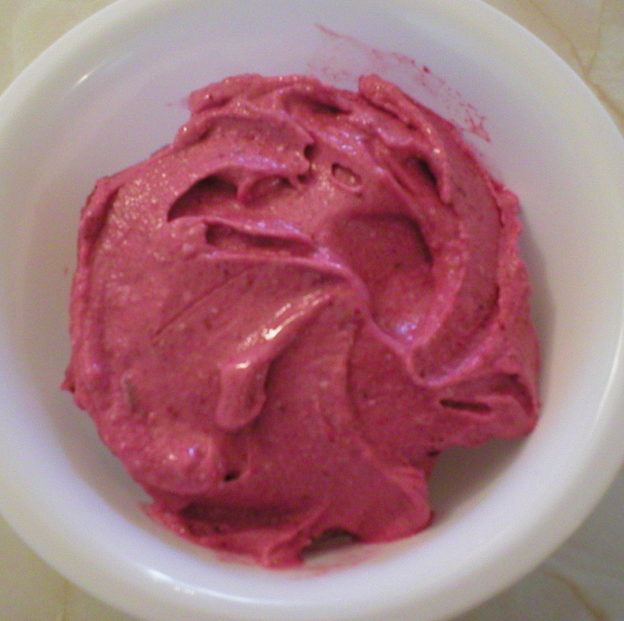
If you’re looking for a fast, healthy, easy and delicious dessert, this is it! And it has only three ingredients! This is a healthy alternative to ice cream that can’t be beat. Below is a video demonstration of how to make Raspberry Nice Cream. The written recipe is below the video.

Enjoy!

Judi

Raspberry Nice-Cream
Makes 2 Servings

1 frozen banana, peeled and sliced
1 cup frozen raspberries
1/3 to 1/2 cup coconut milk

Place all ingredients in a blender or food processor. Process until thick and smooth. Enjoy!

Note: If you want this to be sweeter, simply add any sweetener of choice, to taste. Dates or red grapes are healthy sweetener options that would work very well. Dates or red grapes are healthy sweetener options that would work very well.

Celery

Celery 101 – The Basics


Celery 101 – The Basics

About Celery
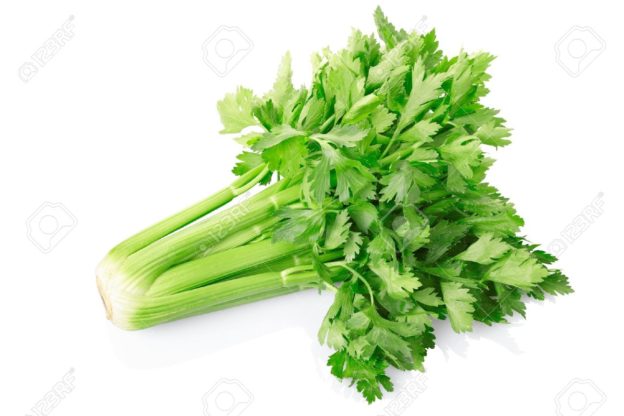
The celery we are most familiar with, that we commonly see in just about any grocery store, is green to pale-green in color, with long, firm stalks, and leafy ends. The variety is Pascal celery. Interestingly, there are many other types of celery that are usually smaller than Pascal celery. The colors can vary from white to deep gold, and even red. Celery is a botanical cousin to carrots, parsley, dill, fennel, cilantro, parsnip, anise, caraway, chervil, and cumin.

Many different types of celery are commonly grown around the world and are often referred to as “wild celery.” Pascal celery was cultivated as far back as 1000 B.C in parts of Europe and the Mediterranean. It was used as a medicinal plant in ancient Egypt. There is also evidence that ancient Greek athletes were awarded celery leaves to commemorate a win.

Around the world, celery is often served as a major vegetable in a meal, rather than an addition to salads, or a flavoring agent in soups and stews, like it is commonly used in America. Also, the large root ball, celery root, is often prized as a food in other parts of the world, over the stalks that are so popular in the United States.

Today, the United States produces over 1 billion pounds of celery each year. The average American adult eats about 6 pounds of celery annually. The United States exports about 200 million pounds of celery annually to Canada. Despite that, a substantial amount of celery consumed in the United States is imported from Mexico.

Nutrition and Health Benefits
Celery is an excellent source of Vitamin K and molybdenum. It also contains a lot of folate, potassium, fiber, manganese, pantothenic acid, Vitamin B2, copper, Vitamin C, Vitamin B6, calcium, phosphorus, magnesium, and Vitamin A (carotenoids).

Antioxidant and Anti-Inflammatory Support. Celery is VERY rich in phytonutrients that have antioxidant and anti-inflammatory properties. These compounds include Vitamin C, beta-carotene, and manganese. But the antioxidant support provided by celery goes far beyond that. There are at least a dozen other compounds found in celery that demonstrate such benefits. Animal studies have shown that celery extracts have lowered the risk of oxidative damage to body fats and blood vessel walls. They have also been shown to prevent inflammatory reactions in the digestive tract and blood vessels. The extracts were even found to help protect the digestive tract and liver from damage due to acrylamides, which are harmful compounds that can form in foods during the frying process.

Further research on celery juice and extracts has demonstrated that celery has powerful anti-inflammatory effects by decreasing levels of specific factors that promote inflammation. This helps to keep those factors in check, preventing unwanted inflammation.

Digestive Tract Support. Celery contains specific pectin-based fibers that have been shown to have anti-inflammatory benefits. Animal studies have found that extracts of these compounds in celery appear to improve the integrity of the stomach lining, lowering the risk of stomach ulcers, and providing better control of stomach secretions.

Cardiovascular Support. Many cardiovascular diseases, including atherosclerosis, are promoted by oxidative stress and inflammation in the bloodstream. Because of the anti-inflammatory and antioxidant properties already found in celery, researchers are taking interest in celery for its potential cardiovascular health benefits.

Cancer Prevention. Because compounds in celery have been found to have such strong antioxidant and anti-inflammatory benefits, researchers are taking note of celery for its possible anti-cancer benefits. Human research in this area has yet to be conducted, but there has been speculation that celery may help to prevent stomach, colon, and bladder cancers.

Sodium Content. Celery contains about 35 milligrams of naturally-occurring sodium per stalk. If you are on a reduced sodium diet, your intake of celery should be monitored to help you keep track of your sodium intake.

How to Select Celery
Choose celery that looks crisp, with a clean bright green color, few blemishes, and with a tightly formed bunch. Avoid those that are limp, or with yellow or brown patches, especially in the leaves, as this indicates age.

How to Store Celery
Celery should be stored in the refrigerator. There are a number of ways to store celery to keep it crisp. But note that nothing will keep celery crisp forever. It’s full of water and the refrigerator is a very dry environment, so celery tends to wilt easily. Here are some easy ways to help minimize water loss and keep it crisp longer.

(1) When you get your celery home, simply pull the original bag upward and secure a twist tie or rubber band around the top of the bag. This will help minimize water loss, while still allowing for air flow because the original bags that celery are packed in have air holes along the length of the bag.

(2) Remove the celery from the base and wrap the stalks in aluminum foil. This method is effective in keeping celery crisp and fresh for extended periods of time.

(3) Celery may be stored in a closed container. There are long plastic containers made specifically for storing celery. They usually have a mesh insert that celery can rest on, allowing for air flow around the stalks as they are stored.

(4) Celery may also be stored in any plastic container it will fit in. The stalks may need to be removed from the base, and even cut in half so they will fit in the container, and that is fine for this purpose. It is helpful to place a paper towel or clean cloth under the celery pieces. This will soak up any excess moisture that forms in the container, while maintaining a humid environment, helping to maintain its crispness.

If your celery has become somewhat dehydrated and limp, simply sprinkle the stalks with a little water, or place them cut side down in a little water in a jar or glass. Place that in the refrigerator. They should crisp up within a couple hours or overnight. Then remove them from the glass or jar and continue to store them as usual. [If left in the water for a prolonged time, the internal cells of the celery will eventually burst from trying to absorb more water than they can hold. This will cause the stalks to collapse and be very limp.]

If possible, use your celery within one week of purchase for optimal flavor, texture and nutrient retention.

How to Prepare Fresh Celery
Remove the stalk from the base of the bunch. Wash the leaves and stalk under cool running water. Cut the stalk as desired for your recipe. If the outside of the stalk contains fibrous strings, they may be removed by making a small cut into the outside with a knife. The stringy fibers may then be peeled away and discarded.

For a simple way to cut celery with little to no strings, watch my video… https://youtu.be/jIu6IkX9Fv8

How to Preserve Celery
If you cannot use your celery within a reasonable amount of time, it may be frozen or dehydrated for later use. However, when thawed or rehydrated, the texture will be soft. It will be suitable for being immediately added to cooked dishes, like soups, stews, stocks, sauces, and casseroles. Dehydrated celery may also be ground up and used as a seasoning. Previously frozen or dehydrated celery will not be appropriate for eating fresh, such as in salads or being stuffed for a crispy snack, since it will be soft.

Freezing Celery. Wash your celery well and shake off excess water. Cut the celery into the size pieces you will need them to be when used later. Celery may be frozen with or without being blanched first. However, blanched celery will keep longer with a better quality and flavor than celery that was not blanched.

To freeze celery without blanching it first, wash it and cut the celery stalks, as described above. The prepared pieces may simply be placed in a freezer bag and stored in the freezer. To prevent it from freezing into one big lump, it can first be spread out on a parchment paper-lined tray and placed in the freezer. When frozen, transfer the celery pieces to an air-tight freezer container or bag. Label with the date and use it within 3 months for best flavor and quality.

Unblanched, finely diced celery may also be frozen in ice cube trays. Place a measured amount of celery pieces in each cell of an ice cube tray. Fill with water, then place in the freezer. When frozen, transfer the cubes to an air-tight container. These would be suitable for adding to soups and stews or any cooked food where added liquid would be used.

To freeze celery by blanching, first prepare your celery pieces as described above. Then steam them or boil them for 1 to 2 minutes (depending on the size of the pieces). Immediately transfer your blanched celery pieces to a bowl of cold water to quickly cool them down. After they are cooled, drain them well and spread them out on a parchment paper-lined tray in the freezer. When frozen, transfer your blanched celery pieces to an air-tight freezer container or bag. Label the container with the date and use them within one year for best quality.

Dehydrating Celery. Celery may be dehydrated in a dehydrator or oven. Some resources consider blanching celery before dehydrating to be an optional step. However, celery that is dried without being blanched may turn an unappetizing tan color. Whereas celery that was blanched first will maintain its green color. The choice is yours!

To blanch celery before dehydrating, bring a pot of water to boil. Meanwhile, wash the celery. Cut the celery into desired size pieces and boil them for 1 to 2 minutes (depending on the size of the pieces). Immediately transfer them to a bowl of cold water to quickly chill them down. Drain them well.

Dehydrator. To dry your celery pieces in a dehydrator, arrange them in a single layer on a dehydrator tray. Follow the manufacturer’s instructions for time and temperature for drying your celery. Usually 135°F is the recommended temperature for dehydrating vegetables. The celery will be dry when it is very brittle, and has no sign of moisture inside when broken open. Store it in an air-tight jar away from heat and sunlight. For extended storage, it is helpful to place an oxygen absorber packet in the jar. Properly dehydrated celery will keep for many years.

Oven. Prepare the celery pieces as directed above. Set your oven at its lowest temperature. If it will not go below 150°F, the oven door will need to be left slightly open by propping a towel or wooden spoon inside the door. This will waste a lot of energy. If you plan to dehydrate a lot of food, investing in a dehydrator may be a sound investment.

If possible, arrange the prepared celery pieces in a single layer on a small screen or rack over a baking tray. This will allow for air flow as the celery dries. If you don’t have a mesh screen or rack, the celery pieces may be placed directly on a baking tray. They should be stirred occasionally as they dry so they will dry evenly and completely. The process may take 6 to 8 hours for them to dry completely. They should feel completely dry and crisp with no sign of moisture inside when broken open. When done, remove them from the oven and allow them to cool completely. Store them in jars with tight-fitting lids or air-tight containers. Placing an oxygen absorber in the container will help to prolong the shelf-life of your dried celery.  Store it away from heat and sunlight, and it should keep well for years.

Note that celery will shrink a lot as it dries. Using a very fine mesh screen or rack will help to keep the pieces from falling through during the drying process.

To rehydrate dehydrated celery. Simply add 3 parts of water to 1 part of dehydrated celery in a bowl. Allow the celery to sit for 20 minutes up to 2 hours, until fully rehydrated. The length of time will depend upon how big the pieces were before they were dried. If desired, dehydrated celery can simply be added to soups or stews without rehydration, since they will be cooked in liquid for enough time to allow the vegetables to become rehydrated. Just be sure there is enough liquid in your pot to compensate for the rehydration process.

Equivalents. When examining rehydrating charts from various resources, the equivalents vary somewhat. It may depend upon how big the celery pieces were when they were fresh. Larger pieces may yield a greater conversion rate than those that were cut very small. So, consider the following equivalents to be rough estimates, since there is a lot of variation based on the resource.

According to “Seed to Pantry School,” an online DIY food school, one tablespoon of finely chopped fresh celery is equivalent to ½ teaspoon dried. That’s a 6-fold increase in volume from dried to fresh of finely chopped celery. Note that the celery was very finely chopped.

According to Harmony House Foods, that sells dehydrated foods online, one cup of dehydrated celery yields 3-1/4 cups when hydrated. That’s a little more than a 3-fold increase in volume when rehydrated. Obviously, their celery pieces were not cut as small as those in the above conversion comparison by “Seed to Pantry School.”

According to Honeyville, that sells freeze-dried foods online, ½ cup of freeze-dried celery will yield 1 cup when rehydrated. That’s only a two-fold increase in volume. Also, USA Emergency Supply, another online seller of dehydrated foods, states that celery doubles in volume when rehydrated in cool water.

Suggestion for Rehydration Equivalents.  Test a small amount of your own dehydrated celery by measuring a small amount of your dried celery. Place it in a bowl and cover it with plenty of water. Allow it to sit until the celery is completely rehydrated, then measure the celery. This will give you the conversion rate of what you have available. Then you can determine how much dried celery to add to a dish so you can follow the recipe appropriately.

Quick Ideas and Tips for Using Celery
* Are you looking for a simple snack that has some crunch? Try celery stalks! Dress them up by stuffing them with whatever you have that sounds good at the moment…cream cheese, any nut butter, or even cottage or ricotta cheese. Or just dip them in your favorite salad dressing.

* Make a quick salad by combining chopped celery, apples, grapes, and walnuts or pecans. Top it with your favorite dressing or a little olive oil and white-wine vinegar.

* For some crunch, add diced celery to your favorite tuna, chicken, egg, macaroni, or potato salad.

* Make an easy vegetable salad by combining diced celery, tomatoes, and sweet onion. Add a little cucumber if you have it available. Top it with your favorite vinaigrette or other salad dressing.

* Don’t discard the celery leaves. They are perfectly edible and taste like celery. Also, they contain a lot of Vitamin C, calcium, and potassium. Why not just use them along with the celery stalks? They work especially well in salads. Or, freeze them and add them later to soups, stews, sauces, or stock.

* If you’re cooking celery, research has found that most (83 to 99 percent) of the antioxidants in celery were retained when celery was steamed, even after 10 minutes. However, when celery was blanched for 3 minutes, or boiled for 10 minutes, 38 to 41 percent of the antioxidants were lost.

* To retain most of the nutrients in celery, wait to cut it up until you’re ready to use it. Studies found that nutrients in celery were lost, even when it was cut up the night before it was to be used (despite being stored in the refrigerator).

* If your celery has wilted and become soft, sprinkle some water on it and return it to the refrigerator. You may also place wilted celery stalks, cut side down, in a little water in a tall glass or jar. Place it in the refrigerator and it will crisp up quickly (in a couple hours to overnight). Once crispy, remove it from the glass and store it as usual.

* Celery leaves can be used to substitute for parsley in pretty much any dish.

Herbs and Spices That Go Well with Celery
Anise seeds, basil, bay leaf, caraway, celery salt, celery seeds, chervil, cloves, cumin, dill, lovage, marjoram, parsley, pepper, rosemary, salt, tarragon, thyme, turmeric

Foods That Go Well with Celery
Proteins, Legumes, Nuts, Seeds: Almonds, almond butter, bacon, beans (in general), beef, chestnuts, chicken, chickpeas, eggs, hazelnuts, lentils, nuts (in general), peanuts, peanut butter, peas, pecans, pistachios, pork, shrimp (seafood in general), snow peas, sunflower seeds, turkey, walnuts

Vegetables: Artichokes, beets, bell peppers, broccoli, cabbage, carrots, cauliflower, celery root, chives, cucumbers, endive, fennel, garlic, greens (in general), kohlrabi, leeks, mushrooms, onions, potatoes, radishes, scallions, shallots, squash (winter and summer), tomatoes, turnips, water chestnuts, watercress

Fruits: Apples, grapes, lemon, lime, oranges, pears, pineapple, raisins, strawberries

Grains and Grain Products: Barley, bread crumbs, bulgur, corn, pasta, rice

Dairy and Non-Dairy: Butter, browned butter, cheese (esp. Blue, cheddar, cream, goat, Parmesan, Swiss), cream, yogurt

Other Foods: Capers, maple syrup, mayonnaise, mustard (Dijon), oil (esp. nut, olive, walnut), soy sauce, vinegar

Celery has been used in the following cuisines and dishes…
Casseroles, cocktails (i.e. Bloody Marys), crudités, curries, gratins, mirepoix (celery + carrots + onions), risotto, salads (egg, fruit, pasta, potato, vegetable), sauces, slaws, soups (i.e. celery, celery root, potato, vegetable), stews, stir-fries, stocks (i.e. vegetable), stuffed celery, stuffings

Suggested Food and Flavor Combos Using Celery
Add celery to any of the following combinations…

Almond butter + raisins
Apples + walnuts
Carrots + onions
Cheese + fruit + nuts
Cucumbers + mustard
Garlic + tomatoes
Oranges + pecans
Parsley + tomatoes
Pistachios + yogurt

Recipe Links
Simple Celery Soup https://www.feastingathome.com/celery-soup/#tasty-recipes-25110

28 Non-Boring Ways to Use Celery https://www.tasteofhome.com/collection/non-boring-celery-recipes/

35 Recipes That Feature Celery—From Toast to Cocktails https://www.bonappetit.com/recipes/slideshow/celery-recipes

22 Delicious Ideas for Celery That You Will Crave All the Time https://food.allwomenstalk.com/delicious-ideas-for-celery-that-you-will-crave-all-the-time/

Braised Celery https://www.foodnetwork.com/recipes/alton-brown/braised-celery-recipe-1939479

23 Celery Recipes That Prove There’s Much More to It Than Ants on a Log https://www.epicurious.com/ingredients/celery-recipes-salad-soup-stew-gallery

Lentil and Chicken Soup with Sweet Potatoes and Escarole https://www.epicurious.com/recipes/food/views/lentil-and-chicken-soup-with-sweet-potatoes-and-escarole

Ideas for Using Celery Leaves https://triedandsupplied.com/saucydressings/what-to-do-with-celery-leaves/

Unexpectedly Tasty Celery Recipes That Are Easy to Make https://www.cheatsheet.com/culture/unexpectedly-tasty-celery-recipes-that-are-easy-to-make.html/

Celery Salad with Dates, Almonds and Parmesan https://cookieandkate.com/celery-salad-recipe/#tasty-recipes-24740


Resources
https://food.allwomenstalk.com/delicious-ideas-for-celery-that-you-will-crave-all-the-time/

http://www.whfoods.com/genpage.php?tname=foodspice&dbid=14

https://www.cuisineathome.com/tips/cure-for-limp-celery/

https://culinarylore.com/how-to-guides:make-limp-celery-crisp-again/

https://www.hgtv.com/outdoors/gardens/garden-to-table/can-you-freeze-celery

https://www.thespruceeats.com/how-to-make-dehydrated-celery-1327565

https://www.ncbi.nlm.nih.gov/pmc/articles/PMC6017442/

https://shop.honeyville.com/dehydrated-celery.html

https://www.harmonyhousefoods.com/Rehydration-Chart_ep_40.html

https://www.healthycanning.com/dehydrating-celery

https://honeyville.com/blog/before-and-after-rehydration/

https://www.usaemergencysupply.com/information-center/all-about/all-about-dehydrated-vegetables#link6

https://seedtopantryschool.com/dehydrate-celery-make-powder-conversion-amounts/

Page, Karen. (2014) The Vegetarian Flavor Bible. New York, NY: Little, Brown and Company.

The University of Georgia Cooperative Extension Service. (1993) So Easy to Preserve. 3rd ed. Athens, Georgia: The University of Georgia College of Agricultural and Environmental Sciences.

MacKenzie, Jennifer, Jay Nutt, and Don Mercer. (2015) The Dehydrator Bible. Ontario, Canada, Toronto: Robert Rose, Inc.


About Judi

Julia W. Klee (Judi) began her journey enjoying “all things food” in elementary school when she started preparing meals for her family. That love of food blossomed into a quest to learn more and more about health and wellness as related to nutrition. She went on to earn a BS Degree in Food and Nutrition, then an MS Degree in Nutrition. She has taught nutrition and related courses at the college level to pre-nursing and exercise science students. Her hunger to learn didn’t stop upon graduation from college. She continues to research on a regular basis about nutrition as it relates to health. Her hope is to help as many people as possible to enjoy foods that promote health and wellness.

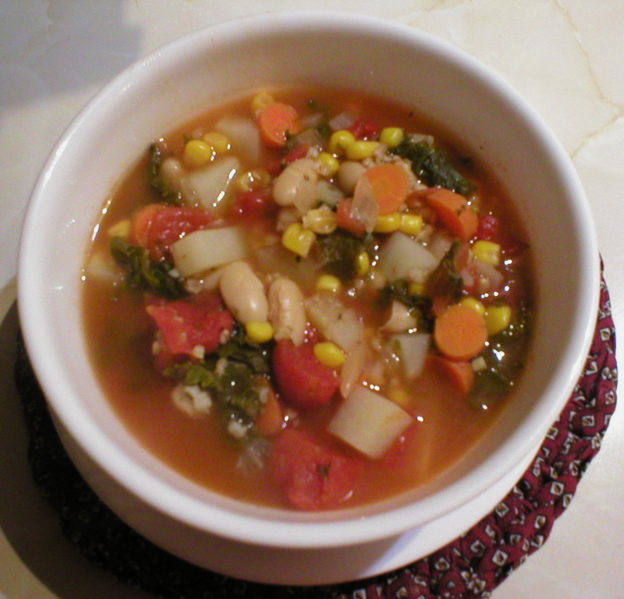
Kale Vegetable Soup

Kale Vegetable Soup

Here’s a delicious soup recipe that really isn’t hard to put together, so don’t let the ingredients list scare you! See the tips section for suggestions on how you can cut preparation time by using pre-cut vegetables and/or canned veggies from the grocery store. This soup is really delicious, so it’s worth giving it a try! See the video demonstration on how to make this soup. The written recipe is below the video.

Enjoy!
Judi

Kale Vegetable Soup
Makes About 6 Servings

1 small bunch of kale, washed and finely chopped (about 6 cups)
2 (14.5 oz) cans diced tomatoes
1 (15.5 oz) can of black beans (or beans of choice), rinsed and drained
6 cups vegetable broth (OR 4 cups of vegetable broth + 2 cups of water)
1-1/2 cups diced white potato (1 large potato)
1-1/2 cups sliced carrots
1 cup corn
1 cup diced yellow onion (or 3 Tbsp dried onion flakes)
½ cup steel-cut oats, OR rice (of choice), OR another grain of choice
1 Tbsp dried parsley flakes
2 tsp dried thyme
Salt to taste, optional

Place all ingredients in a large pot that has a lid. Cover the pot and bring everything to a boil. Lower the heat and simmer until everything is tender, about 45 minutes. Stir the soup occasionally as it cooks. Taste and adjust seasoning, if needed. Enjoy! Store leftover soup in a covered container in the refrigerator and use within 4 days.

Tips:

To make things easier with less prep work, you could use frozen diced onions so you don’t have to dice them yourself.

You could use already shredded or sliced carrots from the grocery store. OR you could use 1 can of sliced carrots (drained). OR you could even use frozen carrot slices.

For the potatoes, you could use frozen diced potatoes, OR one can of diced potatoes, drained.

If you opt for using canned vegetables you could reduce the liquid by one cup, if desired, to reduce the amount of broth in the soup (canned vegetables will not absorb as much liquid as fresh vegetables).

Also, if you don’t want to add any grain (like the oats or rice) to the soup, you could increase the corn to 1-1/2 or 2 cups to compensate (one whole can of corn should be enough).

If you don’t want to cut up the kale from a fresh bunch, you could buy pre-cut kale in bags. Beware that the pieces are often rather large and may be too large for soup, so a little chopping may still be needed.

Strawberries

Strawberries 101 – The Basics


Strawberries 101 – The Basics

About Strawberries
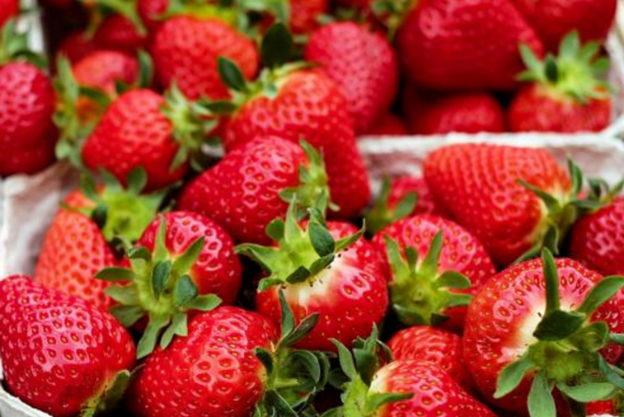
Strawberries have grown wild in Europe, Asia, North America, and lower South America for thousands of years. For hundreds of years, they have been cultivated around the world. Today, strawberries are among the most popular berries worldwide. The United States currently produces the most strawberries, with over one million metric tons annually. This amounts to about 30 percent of strawberries commercially grown worldwide. Most are grown in California, followed by Florida, then Oregon. Most strawberries grown in the United States are consumed fresh, while about 20 percent are sold frozen.

Strawberries are members of the rose family of plants, Rosaceae. Botanically, strawberries are related to blackberries, boysenberries, loganberries, and raspberries. Apples, almonds, apricots, cherries, peaches, and plums are also members of the rose family.

Nutrition and Health Benefits of Strawberries
Strawberries are an excellent source of Vitamin C and manganese. They also supply a lot of fiber, folate, copper, potassium, biotin, phosphorus, magnesium, Vitamin B6, and even some omega-3 fatty acids (in the seeds). They are also a rich source of assorted antioxidant compounds that provide important health benefits.

Antioxidant and Anti-Inflammatory Benefits. In addition to their high amount of Vitamin C, which is an extremely important antioxidant, strawberries contain a wide array of compounds that provide antioxidant and anti-inflammatory benefits. Such compounds are known to help protect our blood vessels from damage, helping to reduce our risk for cardiovascular disease.

Blood Sugar Regulation. Preliminary research studies on animals have shown that eating strawberries after a meal helps to regulate blood sugar levels and the release of insulin. Strawberries have also been found to have a low glycemic index of 40, which is lower than many fruits. This lower glycemic index is also reflected in better blood sugar regulation following meals that contained strawberries. This effect may be partly due to the high level of folate in strawberries. Folate has been shown to play a role in blood sugar regulation.

Improved Cognitive Function. Research in the Nurses’ Health Study showed less cognitive decline in subjects who ate at least 1 to 2 servings of strawberries a week. Researchers speculate that this effect may be due to compounds in strawberries that promote nerve generation in areas of the brain that are involved in memory.

How to Select Strawberries
Strawberries are fragile fruit that are very perishable. Look for strawberries that appear firm and plump with a shiny, deep bright red color with attached green leaves. A dull red color indicates they are old and overripe. They should be free of mold and the inside of their containers should be dry. Strawberries do not further ripen after being picked, so unless you want tart berries, avoid those that are greenish or whitish, since they are not fully ripe.

Medium size strawberries often have a better flavor than those that are extremely large.

How to Store Strawberries
Before storing your freshly purchased strawberries, check them carefully and remove any that appear moist, soft, or moldy. They will quickly cause other berries to spoil. Store your UNWASHED strawberries in the container they came in (that has air vents in them). Strawberries need air flow to help keep moisture from accumulating in the container. Yet at the same time they have a high water content and can dry out easily. For optimal storage, place them in their container in a drawer in the refrigerator. Set it for high humidity (having the air vent of the drawer closed). Use fresh strawberries as quickly as you can, optimally, within 2 days.

How to Freeze Strawberries
To freeze extra strawberries, be sure they are fully ripe but still firm. Carefully wash them and pat them dry. The green leaves on top may be removed after they are washed, or they can be left intact. Strawberries may be frozen whole, sliced, chopped, or crushed. To retain the most nutrients (especially Vitamin C), leave them whole. If you opt to cut or crush your strawberries before freezing them, adding a small amount of lemon juice will help to preserve their color. Arrange your washed berries in a single layer on a flat tray and place them in the freezer. Once frozen, transfer them to an airtight freezer container or bag and return them to the freezer. Use them within one year.

Strawberries may also be sweetened before being frozen. Wash and dry the strawberries first. Then remove the hulls. The berries may be left whole or cut as desired. Add ½ cup of sugar to every 4 cups of berries (the amount of sugar may be adjusted, if desired). Gently stir the berries and sugar until the strawberries are well covered. Allow the mixture to rest 10 to 15 minutes for the natural juices to be drawn from the berries. Gently stir again to combine everything. Put a premeasured amount into heavy-duty freezer bags or containers. Remove as much air as possible. Seal, label the containers and place them in the freezer. Lay freezer bags flat so the contents are not in a big lump. Use them within one year.

How to Prepare Strawberries
Gently rinse your fresh strawberries in cold water immediately before using them. Do not soak the berries since they are porous and will absorb water, making them soft and reducing their flavor. The green leaves on top may be removed or left on. If you want to remove the leaves, wash the strawberries first. Pat the washed berries dry and they will be ready to use.

Quick Ideas and Tips for Using Strawberries
* Try a salad with mixed greens, sugar snap peas, chopped fennel, goat cheese, sliced strawberries, and toasted walnuts. Top it with a balsamic vinaigrette dressing.

* Try a salad with Spring Mix greens, sliced strawberries, toasted sunflower seeds, crumbled blue cheese, and dried cranberries. Top it with a white balsamic vinaigrette dressing.

* Add whole, sliced or crushed strawberries to fruit salads, ice cream, or sorbets.

* Decorate cheese trays with whole strawberries.

* For a tasty appetizer or dessert, hull strawberries then top them with mascarpone cheese that was mixed with a little lemon zest.

* Top your overnight oats with freshly sliced strawberries.

* For a simple dessert, top ice cream or yogurt with sliced strawberries. To REALLY dress it up, drizzle it with some melted dark chocolate. Enjoy!

* If your strawberries are overripe, include them in pies, cookies, mousses, soufflés, flans, smoothies, puddings, or cakes.

* Try a refreshing beverage by blending 2 cups of frozen strawberries, 2 cups seedless cubed watermelon, ¼ cup lemon juice, and ¼ cup sugar or sweetener of choice (frozen red grapes can be used in place of sugar…use as many as desired).

* Add sliced strawberries to ANY mixed green salad.

* For a fast and easy fruit sauce, blend strawberries with a little orange or pineapple juice. Add a little sugar or sweetener of choice, if desired.

* Strawberries are at the top of the Environmental Working Group’s 2020 “Dirty Dozen List” for being high in residual pesticides. If you want to avoid these residues in your food, opt for organic strawberries.

* Add strawberries to your breakfast smoothie.

* Make a parfait by layering yogurt, strawberry slices, fresh blueberries, and a little granola.

* Concentrate the natural sweetness of strawberries by roasting them. Wash, dry, then roast them at 350°F for about 20 minutes. Enjoy them warm or chilled. They will have a heightened sweetness and flavor, with a slightly softer texture than when raw. Use them as a yogurt, ice cream, or oatmeal topping. Add them to a salad or use them any way you would raw strawberries.

* Strawberries are most flavorful when they are room temperature. Store them in the refrigerator, but remove them early so they can warm up a little before eating them.

* Bring out the natural sweet flavor of strawberries by sprinkling them with a dash of balsamic vinegar, lemon juice, orange, or pineapple juice.

* Adding a little sugar, lemon, orange, or pineapple juice to strawberries will help to preserve their color.

* When cleaning strawberries, avoid soaking them in water. They are porous and will absorb water, becoming waterlogged, which will diminish their flavor.

* One pint of fresh strawberries is about 2-1/2 cups whole, 1-3/4 cups sliced, 1-1/4 cups pureed, and usually contains about 24 medium or 36 small berries.

Herbs and Spices That Go Well with Strawberries
Basil, cinnamon, ginger, mint, pepper, thyme, vanilla

Foods That Go Well with Strawberries
Proteins, Legumes, Nuts, Seeds: Almonds, beef, cashews, chicken, fish, hazelnuts, nuts (in general), pecans, pine nuts, pistachios, pork, tofu (silken), walnuts

Vegetables: Arugula, bell peppers, cucumbers, fennel, greens (salad), rhubarb, spinach, tomatoes

Fruits: Apples, apricots, bananas, berries (all other), coconut, figs, grapefruit, guava, kiwi, lemon, lime, mango, melons (in general), nectarines, oranges, passion fruit, peaches, pears, pineapple, watermelon

Grains and Grain Products: Graham crackers, oats, oatmeal

Dairy and Non-Dairy: Buttermilk, cheese (in general), cream, cream cheese, crème fraiche, mascarpone, milk (dairy and non-dairy), sour cream, whipped cream, yogurt

Other Foods: Agave nectar, caramel, champagne, chocolate, honey, liqueurs, maple syrup, oil (olive), rum, sugar (esp. brown, confectioners’), vinegar (esp. balsamic, red wine), wine

Strawberries have been used in the following cuisines and dishes…
Desserts (i.e. cobblers, crumbles, custards, ice creams, pies, puddings, sorbets, strawberry shortcake, tarts), drinks (i.e. sparkling water, sparkling wine), jams, pancakes, preserves, salads (fruit, green), sauces (dessert), shortcakes, smoothies, sorbets, soups (fruit), tarts

Suggested Food and Flavor Combos Using Strawberries
Add strawberries to any of the following combinations…

Almonds + lemon
Arugula + balsamic vinegar + pine nuts + ricotta
Balsamic vinegar + spinach + walnuts
Basil + balsamic vinegar
Basil + lemon + mint
Brown sugar + cinnamon + oatmeal
Cream cheese + lemon
Ginger + maple syrup + rhubarb
Honey + lime
Lemon + ricotta cheese
Pistachios + yogurt

Recipe Links
Chocolate Covered Strawberries https://www.simplyrecipes.com/recipes/chocolate_dipped_strawberries/

Strawberry Basil Lemonade https://producemadesimple.ca/strawberry-basil-lemonade/

Pork Tenderloin Medallions with Strawberry Sauce https://www.tasteofhome.com/recipes/pork-tenderloin-medallions-with-strawberry-sauce/

55+ Sweet and Savory Strawberry Recipes https://www.tasteofhome.com/collection/sweet-and-savory-strawberry-recipes/

55 Recipes Made with Fresh Strawberries https://www.tasteofhome.com/collection/recipes-to-make-with-fresh-strawberries/

20 Unconventional Recipe Ideas Using Strawberries https://www.brit.co/strawberry-recipes/

Strawberry Balsamic Chicken https://www.gimmesomeoven.com/strawberry-balsamic-chicken/

Filet Mignon and Balsamic Strawberries https://www.allrecipes.com/recipe/213507/filet-mignon-and-balsamic-strawberries/

Pork Tenderloin with Balsamic Strawberries https://spicysouthernkitchen.com/pork-tenderloin-with-balsamic-strawberries/

Roasted Strawberry Glazed Pork Chops with Strawberry Spinach Salad https://producemadesimple.ca/roasted-strawberry-glazed-pork-chops-with-strawberry-spinach-salad/

10-Minute Strawberries with Chocolate Crème http://www.whfoods.com/genpage.php?tname=recipe&dbid=276

10-Minute Kiwi Mandala http://www.whfoods.com/genpage.php?tname=recipe&dbid=252

How to Make Easy Chia Jam with Any Fruit https://www.thekitchn.com/how-to-make-easy-chia-jam-with-any-fruit-222310

5 Delicious Ways to Use Up Overripe Strawberries https://www.thekitchn.com/5-delicious-ways-to-use-up-overripe-strawberries-tips-from-the-kitchn-220134

25 Amazing Things to Make with Strawberries https://www.cookingchanneltv.com/devour/how-to/2012/04/25-amazing-things-to-make-with-strawberries

68 Sweet Strawberry Desserts You Won’t Be Able to Resist https://www.delish.com/cooking/g906/strawberry-desserts-round-up/

Pan Fried Fish Fillets with Strawberry Salsa https://simplysohealthy.com/fish-fillets-with-strawberry-salsa/

Strawberry Salsa Recipe https://smartlittlecookie.net/strawberry-salsa-recipe/

Baked Strawberry Salmon https://www.tasteofhome.com/recipes/baked-strawberry-salmon/

Strawberry Glazed Salmon https://www.thatskinnychickcanbake.com/strawberry-glazed-salmon/

Resources
https://www.dartagnan.com/meat-and-fruit-recipes-and-combinations.html

https://producemadesimple.ca/what-do-strawberries-go-well-with/

https://www.tasteofhome.com/recipes/strawberry-watermelon-slush/

http://www.whfoods.com/genpage.php?tname=foodspice&dbid=32

http://www.whfoods.com/genpage.php?tname=recipe&dbid=147

https://www.hyperthyroidismsymptomsx.com/foods-high-in-iodine

https://www.sunfood.com/blog/newsletters/seven-foods-rich-in-iodine/

https://www.ewg.org/foodnews/dirty-dozen.php

https://www.thekitchn.com/4-ways-to-make-bland-strawberries-a-lot-sweeter-245046

https://www.recipetips.com/kitchen-tips/t–1088/all-about-strawberries.asp

Page, Karen. (2014) The Vegetarian Flavor Bible. New York, NY: Little, Brown and Company.


About Judi

Julia W. Klee (Judi) began her journey enjoying “all things food” in elementary school when she started preparing meals for her family. That love of food blossomed into a quest to learn more and more about health and wellness as related to nutrition. She went on to earn a BS Degree in Food and Nutrition, then an MS Degree in Nutrition. She has taught nutrition and related courses at the college level to pre-nursing and exercise science students. Her hunger to learn didn’t stop upon graduation from college. She continues to research on a regular basis about nutrition as it relates to health. Her hope is to help as many people as possible to enjoy foods that promote health and wellness.
Banana-Mango Nice Cream

Banana-Mango Nice Cream

Here’s a delicious and EASY recipe for a different variety of banana nice cream. Mango chunks, orange juice and a little coconut milk are added for a tropical flavor and richness. Grapes are added for a little extra whole-food sweetness. Below is a video demonstration of how to make this simple dessert. The written recipe is below the video.

Enjoy!
Judi

Banana-Mango Nice Cream
Makes 1 Large or 2 Moderate Servings

1 frozen banana
1/3 cup frozen mango chunks
6 red grapes, fresh or frozen
¼ cup orange juice
2 Tbsp coconut milk

Place all ingredients in a blender and process until smooth. Enjoy!

Peppercorns

Peppercorns 101 – The Basics


Peppercorns 101 – The Basics

About Peppercorns
Pepper is native to India and has been a prized spice since ancient times. Ancient Greeks not only used pepper as a spice, but also as currency and a sacred offering used to honor the gods. It was also used to pay taxes and ransoms. In the Middle Ages, a man’s stockpile of peppercorns was indicative of his wealth.

In ancient times, pepper was also valued because it had some important culinary uses. Not only did it season otherwise bland food, but its spiciness could also mask the flavor of stale or spoiled food. Since there was little way to preserve food, its spoilage was a problem they continually dealt with.

The value of pepper sparked the development of the spice trade, which led to the exploration of undeveloped lands, and also the development of major merchant cities in Europe and the Middle East. Today, the major commercial producers of pepper are India and Indonesia.

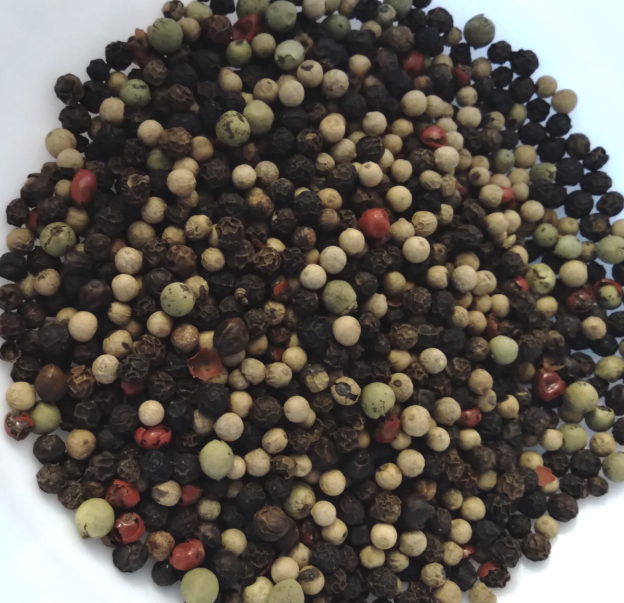
Black, green, and white peppercorns are all berries from the same plant, Piper nigrum. The plant is a perennial climbing vine. The different colors reflect different stages of berry development and processing methods. Black peppercorns are picked when they are only half ripe and are about to turn red (as they ripen). They are dried, which causes them to shrivel and turn dark. Green peppercorns are picked when they are still green, before they begin to ripen. After being picked, they are either dried or steeped in brine. White peppercorns are picked when they are very ripe, and are then soaked in a brine to remove their outer shell, leaving just the inner seed. Black peppercorns are the most flavorful and pungent of all the peppercorns. They are available whole or ground.

Pink peppercorns are from a completely different plant, Schinus mole, which is related to ragweed. They are sometimes referred to as false peppercorns since they come from a different plant species. Other “false” peppercorns include the Szechuan, Negro, and Long peppercorns.

Nutrition and Health Benefits
Peppercorns are rich in a variety of nutrients, including Vitamins A (in the form of beta-carotene) and K, calcium, magnesium, potassium, manganese, and phosphorus. It also has antioxidant and antibacterial properties.

Pepper has been used to help alleviate the following ailments: abdominal pain from digestive problems (such as heartburn, indigestion, constipation, and inadequate stomach acids), cold, diabetes, diarrhea, dysentery, flu, fluid retention, mental exhaustion, nicotine cravings, obesity (by stimulating the breakdown of fat cells), pain, poor memory, depression, respiratory mucus, runny nose, sprains, tumors, ulcers, flatulence, nausea, and weakness from coma or vertigo.

Caution: Dosages and applications would vary by ailment and individual characteristics like current medications, age, and weight, so it is advisable to follow the advice of a medical practitioner when using pepper for any medicinal purposes.

When pepper is ingested above usual culinary amounts, it is known to interact with the following drugs: Coumadin, Inderal, Advil, Naprosyn, Tylenol, Neodur, and smoking cessation aids.

Types of Peppercorns
Black Peppercorns.  Black peppercorns come from the same plant as white peppercorns, Piper nigrum. They are harvested before they start to ripen. They are then dried, which causes them to shrivel and turn black. Their flavor is strong and biting, but not necessarily “hot.” The flavor of pepper is primarily due to its content of the compound piperine.

Suggested uses for black peppercorns: Use whole black peppercorns when pickling and making stock. Use cracked black peppercorns on meats and salads. Use ground black peppercorns for everything else.

White Peppercorns. White peppercorns come from the same plant as black peppercorns, Piper nigrum. They are harvested in the middle of the season and first soaked to remove the outer layer, then dried. Removing the outer husk prevents them from turning dark and preserves their light color. The flavor of white pepper is sharper and brighter than that of black pepper. When shopping for white peppercorns, choose ones that are creamy white (but not bleached white). They should be relatively uniform in size and have no specks of gray or black. White pepper will add a little “heat” to whatever food you flavor it with. White pepper goes especially well in soups, stews, marinades, and stir-fries. White peppercorns are sold both whole and ground.

Suggested uses for white peppercorns: Use white peppercorns when cooking white sauces, cream soups, fish, poultry, and grilled meats.

Green Peppercorns. Green peppercorns are the green berries, picked long before they are ripe. They are usually freeze-dried to preserve their smooth skin and green color. They may also be pickled. Green peppercorns have a very tart flavor that does not last long in the mouth.

Suggested uses for green peppercorns: Use green peppercorns when cooking meat sauces, poultry, vegetables, and seafood.

Red Peppercorns. Red peppercorns are also the fruit of the Piper nigrum plant. However, red peppercorns are fully ripened on the vine. They have a sweet, mellow flavor when compared with their black counterparts. True red peppercorns are rarely found in the United States. Most recipes calling for red peppers are referring to ground cayenne or red chiles.

Pink (Preserved Red) Peppercorns. Preserved red peppercorns are rarely found in the United States. They are red peppercorns of the Piper nigrum plant that were preserved in a brine. They are soft, so they are typically put in recipes whole. They are sometimes used in egg dishes and salads.

Blends and Combinations of Peppercorns. When black and green peppercorns are combined, they will add more of a “bite” to a dish. When black and white peppercorns are combined, the flavor of pepper will linger longer.

Lemon Pepper. Sometimes pepper is combined with other ingredients to lend specific flavors to foods. Lemon pepper is one example that is often added to chicken or fish.

The following are considered to be “false peppers” since they aren’t harvested from the Piper nigrum vine, and their flavors are a little different than traditional pepper.

Sichuan or Szechuan Pepper. This pepper is made from the berries of a prickly Ash tree native to China. They are commonly used in many Chinese and Japanese dishes. They are spicier than pepper from the Piper nigum vine.

Negro Pepper. This type of pepper is grown in Ghana and Malawi (Africa). Like black pepper, the fruit is dried in the sun. It has a strong flavor but leaves a bitter aftertaste, so it is not usually substituted for black pepper.

Long Pepper. Long pepper, Piper longum, has fruit about one inch long with a lot of tiny black and gray seeds. The flavor is that of a mild pepper and ginger combination. It is used in sweet hot dishes where the flavor of ginger is accented. This pepper is sometimes used on fresh fruit, coleslaw, and other fresh foods since cooking dilutes the flavor. It is not considered to be a good substitute for black pepper.

Pink Peppercorns (Shinus molle). These peppercorns are harvested from a different plant than traditional pepper, so they are not considered to be a true pepper. When eaten, these peppercorns have a peppery flavor that turns sweet. It is not a good substitute for traditional pepper. However, in Madagascar, Mexico, and Australia, where it is grown, it is commonly used to flavor vegetables and seafood. Importantly, this type of pepper can cause allergic reactions, especially in children. So, use it with caution if you’re not sure about potential reactions.

How to Select Pepper
Pepper is available whole, cracked, ground, and brined. For the best flavor when using dried pepper, opt for whole peppercorns and grind it yourself as needed with a pepper mill or spice grinder.  

How to Store
Store pepper in a tightly sealed container, preferably glass. Keep it in a cool, dry, dark place. Whole peppercorns will stay fresh for about 4 years, but will keep almost indefinitely even though their flavor may diminish over time. Ground pepper will stay fresh for about three months. Although not necessary, peppercorns may be stored in the freezer, but bear in mind that its flavor will be more pronounced after being frozen.

Quick Ideas and Tips for Using Pepper
* The flavor of ground pepper will diminish after being cooked for a long time. So, for best flavor, add pepper toward the end of cooking time.

* For fresh pepper flavor, keep a pepper mill on the table so it can be added directly to your plate.

* For a simple salad dressing, combine olive oil, lemon juice, salt, and freshly ground pepper.

* Pepper has been used as an insecticide. Sprinkle pepper around non-garden areas to keep insects out. You could also mix a teaspoon of freshly ground black pepper with one quart of warm water. Spray it on plants to kill ants, potato bugs, and silverfish.

* To tell if peppercorns are fresh, simply smell them. If they have lost their aroma, they are stale and won’t have a strong flavor. You could also crush a couple peppercorns and taste them. If they have lost their zest, they can still be used, but won’t provide a lot of flavor.

* About 1/8 teaspoon of ground pepper is equivalent to five turns on a typical pepper grinder.

* Add a few peppercorns to your ground pepper shaker to help keep it from clogging up.

* Freezing peppercorns enhances its flavor.

* Ground pepper will hold its flavor for about 3 months. It will dwindle thereafter. The flavor of whole peppercorns will last almost indefinitely.

* For the best pepper flavor, buy whole peppercorns and grind it as needed.

* Whole peppercorns can add flavor to marinades, poached fish, and boiled meats. Suggested amounts are: 10 to 12 whole peppercorns in marinades, 4 to 6 whole peppercorns in poaching liquid, 1 to 2 whole peppercorns when poaching fish, and 8 to 10 whole peppercorns when boiling meat.

Herbs and Spices That Go Well with Pepper
Allspice, basil, bay leaf, caraway, cardamom, cinnamon, cloves, coriander, cumin, ginger, lemongrass, mustard, nutmeg, oregano, paprika, parsley, rosemary, sage, salt, tarragon, thyme, turmeric

Foods That Go Well with Pepper
Proteins, Legumes, Nuts, Seeds: Bacon, beans, beef, chicken, duck, eggs, fish and other seafood, ham, lamb, lentils, nuts (in general), peanuts, peas, pine nuts, pork, sausage, sesame, venison, tofu, turkey, veal

Vegetables: Artichokes, asparagus, broccoli, cabbage, carrots, cucumbers, eggplant, fennel, garlic, leeks, mushrooms, onions, pickles, potatoes, shallots, spinach, squash, sweet potatoes, tomatoes, vegetables (in general)

Fruits: Apples, apricots, berries, cherries, fruit (in general), grapefruit, grapes, lemon, lime, olives, orange, pineapple, pumpkin, strawberries

Grains and Grain Products: Bread, pasta, rice, tortillas

Dairy and Non-Dairy: Butter, cheese, coconut milk, cream, yogurt

Other Foods: Beer, brandy, oil (esp. olive), sugar, vinegar, wine

Pepper has been used in the following cuisines and dishes…
North American cuisine, baked goods (i.e. spice cakes), Cajun cuisine, Creole cuisine, European cuisines, gravies, Indian cuisine, marinades, pickles, salad dressings, salads, sauces, soups, Southeast Asian cuisine, Southern U.S. cuisine, stocks

Recipe Links
Peppercorn Steak https://www.simplyrecipes.com/recipes/peppercorn_steak/

Steak with Creamy Peppercorn Sauce https://www.recipetineats.com/peppercorn-sauce/

Black Pepper, Tofu and Asparagus https://www.bonappetit.com/recipe/black-pepper-tofu-and-asparagus

Classic Carbonara https://www.bonappetit.com/recipe/traditional-carbonara

Farro-Vegetable Hash with Chermoula https://www.bonappetit.com/recipe/farro-vegetable-hash-with-chermoula

Crispy Turmeric and Pepper Spiced Chicken Wings https://www.bonappetit.com/recipe/crispy-turmeric-and-pepper-spiced-chicken-wings

Boiled Chicken https://www.allrecipes.com/recipe/20455/boiled-chicken/?internalSource=hub%20recipe&referringId=1157&referringContentType=Recipe%20Hub&clickId=cardslot%2013

Fried Steak with Peppercorn Gravy https://www.allrecipes.com/recipe/68596/fried-steak-with-peppercorn-gravy-sauce/?internalSource=recipe%20hub&referringId=1157&referringContentType=Recipe%20Hub&clickId=cardslot%2054

Cauliflower Steak with Green Peppercorn Sauce https://mypureplants.com/cauliflower-steak-peppercorn-sauce

10 Black Pepper-Based Vegan Recipes to Spice Up Your Night https://www.onegreenplanet.org/vegan-food/10-black-pepper-based-vegan-recipes-to-spice-up-your-night/

Resources
https://whatscookingamerica.net/Information/Pepper.htm

http://www.whfoods.com/genpage.php?tname=foodspice&dbid=74#descr

https://www.bonappetit.com/story/white-pepper

https://www.britannica.com/plant/black-pepper-plant

https://www.encyclopedia.com/plants-and-animals/plants/plants/pepper

https://thekitchenprofessor.com/blog/how-long-does-peppercorn-last

https://www.ilikeitalianfood.com/blogs/news/the-king-of-spices-pepper-varieties-and-colours

https://thespiceacademy.com/flavor-combinations-peppercorn-blend/

Page, Karen. (2014) The Vegetarian Flavor Bible. New York, NY: Little, Brown and Company.


About Judi

Julia W. Klee (Judi) began her journey enjoying “all things food” in elementary school when she started preparing meals for her family. That love of food blossomed into a quest to learn more and more about health and wellness as related to nutrition. She went on to earn a BS Degree in Food and Nutrition, then an MS Degree in Nutrition. She has taught nutrition and related courses at the college level to pre-nursing and exercise science students. Her hunger to learn didn’t stop upon graduation from college. She continues to research on a regular basis about nutrition as it relates to health. Her hope is to help as many people as possible to enjoy foods that promote health and wellness.