
Lutein and Zeaxanthin 101
What are lutein and zeaxanthin?
When reading about nutrition, we often encounter the mention and benefits of lutein and zeaxanthin in some plant foods. Many people may not be sure as to what these compounds are, so this research project was written to help explain what they are, where they are found in nature, their health implications, and how we can realize the most benefit from them.
Lutein and zeaxanthin are carotenoid pigments that serve as powerful antioxidants in the body. Carotenoids are plant pigments commonly found in fruits and vegetables and are divided into two subgroups: carotenes and xanthophylls. Beta-carotene and lycopene are examples of carotenes. Lutein and zeaxanthin are examples of xanthophylls. Carotenoids have properties similar to lipids (fats), making them fat-soluble antioxidants. Carotenoids are found throughout the body; however, the carotenoids lutein and zeaxanthin accumulate selectively in the eyes and brain. In the eyes, they provide the yellow pigment in the macula, along with the non-dietary factor, meso-zeaxanthin.
Antioxidants are critical compounds for good health because they protect the body from harmful unstable free radical molecules. Such molecules can damage cells, contribute to aging, and lead to the progression of diseases like heart disease, cancer, Type 2 diabetes, Alzheimer’s disease, and eye diseases.
Lutein and zeaxanthin are structurally very similar, with only slight differences in the arrangement of atoms. About 80% of people convert some lutein into meso-zeaxanthin, another form of antioxidant. These three pigments (lutein, meso-zeaxanthin, and zeaxanthin) accumulate in the retina of the eye, specifically the macula. They are sometimes referred to as macular pigments, and are well-known for working together to protect the eyes from damage and disease. Those who are not able to convert lutein into meso-zeaxanthin are most prone to developing age-related macular degeneration.
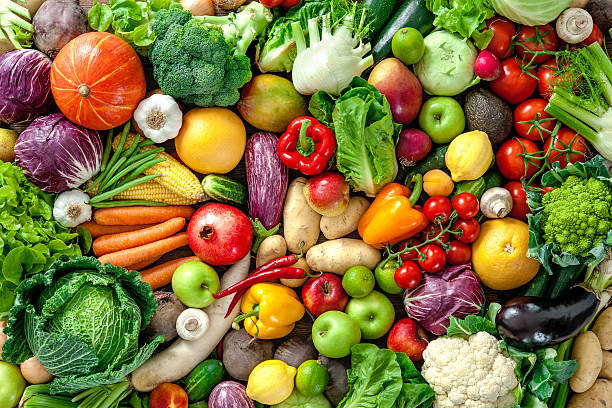
Both lutein and zeaxanthin provide yellow or orange color to common foods, such as cantaloupe, corn, carrots, orange/yellow peppers, salmon, and egg yolks. They are also found in dark green leafy vegetables. In green vegetables, their yellow or orange pigments are masked by green chlorophyll, giving them their dark green color.
What is their function in human health and nutrition?
The role of lutein and zeaxanthin in human health has been well established from scientific research studies. Primarily, inadequate lutein and zeaxanthin are related to age-related macular degeneration (AMD) and cataracts.
Age-Related Macular Degeneration (AMD), Loss of Central Vision. Age-related macular degeneration (AMD) is the main cause of vision loss in people over age 50. AMD occurs when part of the retina, the macula, is damaged, causing a loss of central vision. Lutein and zeaxanthin are both especially important for the health of the eyes since they are the main pigments found in the yellow spot of the human retina. This area protects the macula from damage by blue light. Also, they are the only dietary carotenoids found in the retina of the eye.
There are seven colors in the visible light spectrum, with blue being one of them. Together, they make up the white light we see when we are in sunlight. The sun is the main source of blue light, but it is also emitted by computers, smartphones, televisions, fluorescent, and LED light bulbs. Natural blue light helps to regulate the circadian rhythm, or wake-sleep cycle, so it is important for all of us, especially children. Research has shown that blue light can boost alertness, improve attention span and reaction time, help memory, and improve mood. It has been used to treat various skin conditions such as acne, precancerous actinic keratoses, and some skin cancers.
Because of ever-increasing use of technology, we are exposing our eyes to more and more amounts of blue light. Unfortunately, blue light is hard for the eyes to block, and almost all of it travels to the retina of our eyes. Continuous exposure to blue light can damage retinal cells causing AMD, eye cancer, cataracts, and more. Eye strain from digital devices can result in dry eyes, watery eyes and tearing, blurred vision, headache, tired eyes, irritation, and soreness.
Lutein and zeaxanthin act as a natural sunblock by absorbing excess light energy. They are believed to protect eyes from harmful blue light. They also improve visual acuity by acting as powerful antioxidants, destroying harmful reactive oxygen species (free radical molecules). Adequate intake of lutein and zeaxanthin have been linked with reduced risk of AMD and cataracts. With AMD being the leading cause of blindness in people over age 65 living in industrial countries, and cataracts being the leading cause of blindness in those over age 40 in developing countries, it is extremely important for everyone to get plenty of lutein and zeaxanthin from fresh, colorful foods in their diet.
Cataracts. A cataract develops when the lens of the eye becomes cloudy and impairs vision. There are three main types of cataracts: nuclear sclerotic, cortical, and posterior subcapsular cataract. The types are differentiated by where and how they develop in the eye.
Nuclear Sclerotic Cataract. This type of cataract refers to the hardening of the center (or nucleus) of the lens of the eye. In the early stages, the lens becomes cloudy and yellow, then eventually hardens. As this type of cataract progresses, it changes the eye’s ability to focus and see clearly.
Cortical Cataract. With this type of cataract, areas of white cloudiness develop in the outer edges of the lens (the cortex), spreading inward, having the appearance of a spoke wheel or a star pattern. This condition scatters light entering the eye, causing blurred vision and glare. The individual may have difficulty judging contrast and depth perception.
Posterior Subcapsular Cataract. This type of cataract begins as a small, cloudy or opaque area in the back (posterior) of the lens. It develops on the underside or beneath the lens capsule (hence the term “subcapsular”). The lens capsule surrounds the lens and holds it in place. This type of condition usually develops quickly and symptoms are often noticed within just a few months of being developed. The person may notice a glare or halo effect around lights and may also have a hard time reading.
In a meta-analysis reported in the January 2014 issue of the journal Nutrients, researchers studied the association between lutein and zeaxanthin status and the risk of developing age-related cataracts. They found a significant correlation between high blood levels of lutein and zeaxanthin with a decreased risk of nuclear cataract. They also found that a high blood level of lutein and zeaxanthin was associated with a reduced risk of subcapsular and cortical cataracts, although the association was not significant.
What foods contain lutein and zeaxanthin?
Lutein and zeaxanthin are found in most fruits and vegetables, but green and yellow foods have the highest amounts. They are fat-soluble antioxidants, so including a small amount of a fat source in your meal, such as avocado, nuts, seeds, olives or olive oil may help to increase their absorption rate.
According to the USDA Database, the following foods are among the highest in their content of lutein and zeaxanthin (listed in descending order). Note that this list is not all-inclusive, and some of the foods on the chart are cooked, while others are raw. To see the entire list, please visit https://www.nal.usda.gov/sites/default/files/page-files/Lutein_zeaxanthin.pdf
Spinach
Turnip Greens
Cress
Peas, Green
Kale
Corn
Squash (summer)
Broccoli
Asparagus
Brussels Sprouts
Leeks
Beans, Snap
Beet Greens
Celery
Broccoli Rabe
Okra
Carrots
Tomatoes
Egg Yolk
Tangerines
Kiwi Fruit
Do lutein and zeaxanthin survive cooking?
It is important to know that cooking some types of food containing lutein and zeaxanthin reduces their concentrations in the food, although it does not completely destroy these important antioxidants. Yet, cooking can also increase the availability of these antioxidants in other foods. So, there is not one clear answer to the question that applies to all plant foods. When you prefer to cook your vegetables, lightly steaming them is often the best way to cook them while preserving the most nutrients. To get the most out of your leafy greens, check the USDA .pdf document linked in the second paragraph under the topic “What foods contain lutein and zeaxanthin?”. Some foods in the list are cooked while others are raw. The lutein plus zeaxanthin content (combined) is listed on the chart for each food.
Are lutein and zeaxanthin supplements effective?
There are not a lot of research studies examining the effects of supplemental lutein and zeaxanthin as compared with direct intake from food. But, from the following studies, it appears that supplemental intake of these antioxidants may be effective.
In the August 10, 2018 issue of the journal Nutrients, researchers reported the results of a study where they tested the effects on eye health of supplemental lutein and zeaxanthin for 8 months in 72 postmenopausal women. Levels of lutein and zeaxanthin were tested both before and after treatment. Dietary intake of these antioxidants was also taken into account. They found that their serum concentrations of both lutein and zeaxanthin increased with the supplementation.
In the February 2022 issue of the journal Nutrients, researchers summarized current data on the role of lutein and zeaxanthin presented from human studies targeting their metabolism and bioavailability, with recommendations to consume foods rich in these antioxidants. They state that these antioxidants are extremely important for the proper functioning of certain organs of the body, namely the eyes, skin, heart, and intestines. They stated that supportive therapy with lutein and zeaxanthin can have a beneficial effect in delaying the progression of eye diseases such as age-related macular degeneration and cataracts. The concluded that dietary supplementation with lutein and zeaxanthin is recommended for the prevention of retinal diseases. A diet rich in the pigment xanthophylls (the class under which lutein and zeaxanthin fall) increases their amount in the macula, although no supplementation can replace a well-chosen diet.
Considering all factors, it is very likely best to consume all carotenoids and antioxidants from whole foods, but when that is not possible, supplementation may help. In fact, some ophthalmologists recommend lutein and zeaxanthin supplementation in AMD patients or in those whose eye health may benefit. There are a number of different supplement brands and formulas containing lutein and zeaxanthin available on the market. Bear in mind that supplements should be used in addition to eating foods that contain such nutrients. Supplements should not be used as a food replacement. They are never equivalent, because whole foods contain other components that may enhance the effect of the ingredient you are seeking. Supplements are isolated components of food, lacking the additional, sometimes yet-to-be-discovered compounds found in whole foods that may work synergistically with the intended nutrient.
Caution: Lutein and zeaxanthin are generally recognized as safe. However, consuming high levels of lutein in supplement form in addition to eating a lot of foods high in this nutrient may not be advised. In a March 2018 issue of the journal Advances in Nutrition, researchers cited a case study involving a woman who took 20 mg of lutein supplement daily for 8 years, in addition to consuming a diet unusually high in lutein. She developed crystals in both eyes due to the overdose of lutein. Seven months after discontinuing the lutein supplement, but continuing with her usual diet, the crystals resolved in one eye, but not in the other.
To prevent such an occurrence, it is easy to monitor the nutrients in your own diet, free of charge. Simply establish a profile with https://www.cronometer.com and use their free software by entering your food intake to get a good idea of your lutein and zeaxanthin intake on a regular basis. That can help you to determine if supplementation is needed. Although there are no standard recommendations for these antioxidants, it is generally recommended that we take in about 2 mg of zeaxanthin and 10 mg of lutein from foods each day. The average intake of most Americans is well below that amount. If you are not meeting these needs on average, then supplementation or a dietary change may be something to consider.
Conclusion
Enough cannot be said for the power of whole plant foods when it comes to gaining and protecting our health and well-being. It is important for everyone to include in their diet as many colorful fruits and vegetables as possible. Furthermore, including foods rich in Omega-3 fatty acids along with your colorful fruits and vegetables may enhance the benefits of these important antioxidants in the body. When you cannot consume enough foods that contain lutein and zeaxanthin, or those foods are not readily available to you, including antioxidant supplements of lutein and zeaxanthin may help to guard your health.
Resources
https://www.ncbi.nlm.nih.gov/pmc/articles/PMC3705341/
https://www.healthline.com/nutrition/lutein-and-zeaxanthin#what-they-are
https://www.ncbi.nlm.nih.gov/pmc/articles/PMC8874683/
https://www.macuhealth.com/lutein-and-zeaxanthin/
https://www.webmd.com/eye-health/what-is-blue-light
https://tucson2020.com/what-are-the-three-types-of-cataracts/
https://www.ncbi.nlm.nih.gov/pmc/articles/PMC3916871/
https://iovs.arvojournals.org/article.aspx?articleid=2163771
https://www.sciencebasedhealth.com/ContentPage.aspx?WebpageId=234
https://pubmed.ncbi.nlm.nih.gov/26042352/
https://www.nal.usda.gov/sites/default/files/page-files/Lutein_zeaxanthin.pdf
https://www.macular.org/wp-content/uploads/2016/05/lutein.pdf
https://www.ncbi.nlm.nih.gov/pmc/articles/PMC6116081/
https://aocs.onlinelibrary.wiley.com/doi/10.1007/s11746-001-0324-x
https://pubmed.ncbi.nlm.nih.gov/16723441/
https://www.cleveland.com/healthfit/2010/08/raw_veggies_can_pack_a_punch_b.html
https://www.pnas.org/doi/full/10.1073/pnas.1706332114
https://www.cdc.gov/nutritionreport/pdf/fat.pdf
https://www.ncbi.nlm.nih.gov/pmc/articles/PMC6949322/
https://www.sciencedirect.com/topics/agricultural-and-biological-sciences/xanthophyll
https://pubmed.ncbi.nlm.nih.gov/15640510/
https://www.ncbi.nlm.nih.gov/pmc/articles/PMC5916423/
 English