Author Archives: Judi

Pumpkin

Roasted Pumpkin Seeds – Ideas

A viewer recently asked me for ideas for ways to use roasted pumpkin seeds. So, I set to task and came up with quite a list! If you’re looking for something different to do with your roasted pumpkin seeds, hopefully you’ll find the answer here. Below is a video where I go through the list. The written list is below the video.

Enjoy and happy eating!
Judi

video link here


Pumpkin Seeds – Ideas

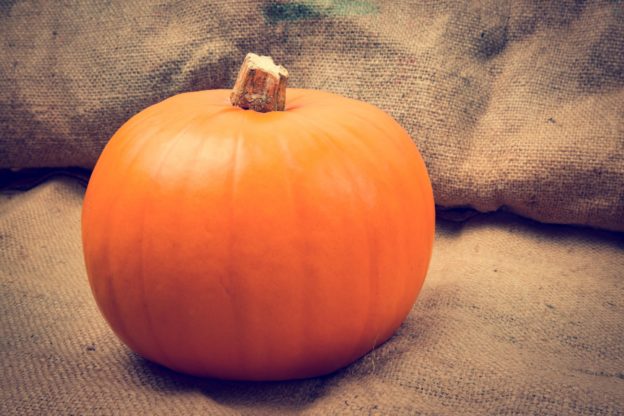
When pumpkins are plentiful in the fall, so are roasted pumpkin seeds. Many people roast them, and simply keep them around for delicious snacks. But what else can we do with these crunchy goodies? Plenty! Here are some suggestions…

* Enjoy them as an easy go-to snack.

* Add them to salads in place of croutons.

* Sprinkle them on soup as a garnish.

* Make a “brittle” with them, like peanut brittle, but use roasted pumpkin seeds in place of peanuts.

* Add them to cookies for added crunch and nutrition boost. They would work especially well in oatmeal raisin and chocolate chip cookies.

* Add them to your favorite homemade granola.

* Add them to tacos for a crunchy topping.

* Sprinkle them on enchiladas.

* Add them to your favorite trail mix.

* Use them as a garnish for risotto, pasta, or a cooked grain like quinoa, rice, bulgur, or barley.

* Sprinkle them on hot oatmeal for a crunchy topping.

* Sprinkle them on quick breads like muffins or pumpkin breads right before they are baked for an interesting topping.

* Add them to homemade granola bars.

* Blend them in with homemade hummus for an added nutty flavor.

* Add them to a crumble topping for pies, muffins, and fruit crisps.

* Add them as a garnish on cooked vegetables, such as carrots, a stir-fry, or roasted winter squash.

* Sprinkle them on guacamole for a little crunch.

* Add them to homemade pesto.

* Add them to homemade caramel bites.

* Add them to melted chocolate along with other favorite add-ins like dried coconut or dried fruit. Then crop the mixture onto waxed or parchment paper and allow it to solidify. You’ll have some delicious homemade candy.

* Add them to your favorite seed crackers.

* Add them to homemade peanut butter cups.

* Blend them into your favorite sauce or dip.

* Sprinkle them on your favorite pizza.

* Grind them up and use them as a decorative topping (“dusting”) on cookies.

* Sprinkle them on avocado or nut butter toast.

* Grind up raw pumpkin seeds with sunflower seeds and a little added coconut oil, if desired. and make seed butter.

* Add some to your favorite smoothie.

* Sprinkle them as a topping on your favorite pudding.

* Add them to popcorn balls.

* Serve with your favorite fruit and cheese combos.

* Add them to a party mix with dried fruit and other nuts and seeds.

* Add them to veggie burgers.

* Grind them up and add them to a breading.

* For variety, try different flavoring combinations when you roast them.

Resources
https://www.epicurious.com/ingredients/22-ways-to-use-pumpkin-seeds-article

https://downshiftology.com/recipes/ultimate-seed-crackers/

https://www.fitmittenkitchen.com/sunflower-pumpkin-seed-butter/#tasty-recipes-12769

https://thecookful.com/10-ways-use-pumpkin-seeds/

https://www.southernkitchen.com/articles/eat/13-roasty-toasty-and-spicy-ways-to-make-the-most-of-leftover-pumpkin-seeds

https://www.foodnetwork.com/recipes/articles/using-pumpkin-seeds

Page, Karen. (2014) The Vegetarian Flavor Bible. New York, NY: Little, Brown and Company.

Almonds

Almonds 101 – The Basics


Almonds 101 – The Basics

About Almonds
Almonds are the seed of the fruit of the almond tree. They have a very light beige color, covered with a thin brownish skin. Almonds are encased in a hard, outer shell, and are classified into two categories: sweet and bitter.

Sweet almonds are the variety that we typically eat. They have an oval shape, are lightly crunchy, and they have a wonderful, buttery flavor all their own. They are sold in their shell, shelled, whole with or without their skin, sliced, slivered, or chopped. Varieties include raw, spiced, blanched, and roasted (with or without oil) in many varieties.

Bitter almonds are used to make almond oil that is used as a flavoring agent, and liqueurs such as Amaretto. Bitter almonds are not edible as nuts because they contain toxic substances. Those substances are removed in the manufacturing process of extracting the oil.

Almonds have been enjoyed since Biblical times. They are believed to have originated in Asia and North Africa. They are now grown in the Mediterranean region, and in California.

Nutrition and Health Benefits of Almonds
Almonds are a very good source of Vitamin E, manganese, biotin, and copper. They are a good source of magnesium, molybdenum, Vitamin B2, and phosphorus. A ¼-cup serving provides about 11 grams of fat with about 7 grams of heart-healthy monounsaturated fat.

Heart Disease. Almonds are high in monounsaturated fats, the same type that is found in olives. This type of fat has been associated with a lower risk for heart disease. Numerous research studies have found that including nuts (such as almonds) in the diet helps to lower LDL (low-density lipoproteins), thereby reducing the risk of cardiovascular disease. This is especially true when the nuts replace a small amount of carbohydrates or saturated fats, and are included in a plant-strong, high-fiber healthy diet. The health benefits of almonds are further enhanced by the Vitamin E found in the nuts. Vitamin E acts as an antioxidant, further protecting cells from oxidative damage which raises our risk for disease.

If that’s not enough, almonds are also high in magnesium and potassium. Magnesium acts as a natural calcium channel blocker, helping arteries and veins to relax. This helps to keep blood pressure under control, promoting the flow of oxygen and nutrients in the blood throughout the body. A deficiency in magnesium has been associated with heart attacks.

Potassium is a critical electrolyte active in nerve transmission and muscle contraction, including the heart. Like magnesium, potassium is also very important in maintaining normal blood pressure and heart function.

A review of four large studies showed that eating a handful of nuts or a tablespoon of nut butter at least 4 times a week reduced heart disease by 37% when compared to those who seldom or never at nuts. Each additional serving of nuts was associated with an added 8.3% reduction in heart disease risk. If you’re concerned about heart disease, include a handful of almonds in your diet when you can!

Protection from Diabetes. Not only do almonds help to ward off cardiovascular disease, but they also can help to protect from diabetes. Almonds have been shown to decrease the rise in blood sugar after a meal, helping to stabilize blood sugar levels. This effect has also been seen when almonds were consumed with high-glycemic index foods, by lowering the glycemic index of the entire meal, helping to regulate blood sugar levels. Research has shown a dose-dependent effect of almonds on high-carbohydrate, high-glycemic meals, with more almonds providing a greater effect in stabilizing blood sugar levels and lowering the glycemic effect of  high-carbohydrate meals.

Weight Control. Researchers have also found that including almonds in the diet can aid in weight loss and weight management. In a study, subjects were fed equal calorie/equal protein diets, with varying amounts of fat and complex carbohydrates. After six months, those following the higher fat diets including almonds experienced a greater reduction in weight, body fat, BMI (body mass index), and blood pressure than those following the higher carbohydrate, lower fat diet.

A 28-month study in Spain, involving almost 9,000 subjects found that those who ate nuts at least two times a week were 31% less likely to gain weight than those who seldom or never ate nuts. The researchers concluded that frequent nut consumption was associated with a reduced risk of weight gain.

Helps Prevent Gallstones. Dietary data collected over the course of 20 years with over 80,000 women in the Nurses’ Health Study found that women who ate at least one ounce of nuts each week had a 25% lower risk of developing gallstones. That mere one ounce could be in the form of whole nuts or 2 tablespoons of nut butter. That says a lot for a small amount of nuts!

Potential Problems for Some People. Almonds are high in phytates and oxalates, well-known anti-nutrients. Oxalates are naturally occurring substances found in many foods that play a supportive role in metabolism. Oxalates can sometimes cause problems if they accumulate in conjunction with excessive calcium in the body, especially in the kidneys. This can cause the formation of kidney stones in a small percentage of people. If you know that oxalates cause problems for you, it may be wise to limit the number of almonds you eat. It has been shown that soaking, sprouting, and roasting almonds can reduce the amount of these compounds. Consult with your physician before making dietary changes.

Almonds are also tree nuts. If you have an allergy to tree nuts, you should not eat almonds.

How to Select Almonds
For the longest shelf life, select almonds that are still in their shells. Look for shells that are not stained, moldy or split.

When buying shelled almonds, opt for ones packed in sealed containers. They will last longer than those sold in bulk bins because the air, heat, and humidity in the bins will make them age faster. When purchasing from bulk bins, make sure there is a fast turnover in sales to ensure freshness of your almonds. Choose almonds that are uniform in color, and not limp or shriveled. To be sure of freshness, smell the almonds. They should smell sweet and nutty. If they smell sharp or bitter, they are rancid and should not be purchased.

For those with added flavor, dry roasted almonds are a good option since they were cooked without added oils. Read the label to be sure there are no added ingredients that you don’t want.

How to Store Almonds
Almonds have a high fat content, so they can go rancid easily. Shelled almonds should be stored in a tightly sealed container in a cool, dry place, away from sunlight. Storing shelled almonds in the refrigerator or freezer will prolong their life and ward off rancidity. When kept in the refrigerator, shelled almonds will keep for several months. Frozen shelled almonds can be kept for up to a year.

The larger the pieces of almonds, the longer they will stay fresh. For example, whole shelled almonds will last longer than chopped, slivered or sliced almonds.

Raw vs Roasted Almonds
Nuts, especially almonds, are a delicious, healthy part of any meal or snack. They are nutritious whether they are raw or roasted. Almonds are a great source of plant protein, healthy fats, and an array of vitamin and minerals. So, enjoy! If you want the most health benefits out of your food, avoid or limit the use of sugared or heavily salted nuts.

Raw Nuts. Most nuts sold in the United States (and probably elsewhere), are not truly “raw.” Because of the possibility of bacterial contamination, most nuts sold in the United States are heat pasteurized, even when labeled as “raw.” This applies to almonds grown in California, which is where most, if not all, almonds are grown in the United States. If you want truly raw nuts, you may need to pick your own or do some careful shopping.

Roasted Nuts. Contrary to what you might think, roasted almonds have a very similar nutrient profile as raw almonds. They can be roasted with or without added oil. The calorie and fat content of roasted almonds (even dry roasted) is just slightly higher than that of raw almonds because moisture is lost in the roasting process, concentrating the nut meat. Interestingly, almonds (and other nuts) roasted with oil don’t absorb much of the oil that is used in the roasting process because the nut meat already has a high oil content, not leaving much room for absorption. For instance, one ounce of raw almonds has 161 calories and 14 grams of total fat. One ounce of dry-roasted almonds has 167 calories and 15 grams of total fat. One ounce of oil roasted almonds has 171 calories and 16 grams of total fat.

Another factor to consider when comparing raw and roasted nuts is the effect of the roasting process on the quality of the vitamins, minerals, and fats within the nuts. Some research has found that nuts roasted at a high temperature for a long period of time can degrade the fats, oxidizing them creating unhealthy fats. Other studies have also found that roasting nuts at high temperatures for long periods of time can also reduce and/or degrade the vitamin and mineral content of the nuts, making them less healthy to consume. These effects depend upon the temperature and length of time the nuts were subjected to during the roasting process. For the least breakdown of nutrients, nuts should be roasted at a low temperature for the shortest amount of time possible.

Another factor to consider in roasted nuts is the formation of acrylamide during the roasting process. This is a compound that forms naturally from fats that are cooked at a high temperature.  Acrylamide has been linked to increased cancer risk in animal studies. It has been labeled as a probable human carcinogen. To avoid possible acrylamide in almonds, it is recommended to buy them raw and roast them yourself at a lower temperature and shorter time than would be used in commercial processing.

Toasted or roasted almonds are crunchier and tastier than raw almonds. Their flavor is enhanced in the process and many recipes call for roasted or toasted nuts because their flavor is more pronounced in the recipe. Roasting almonds at home can be done on the stove, in the oven, and even in the microwave.

To toast almonds on the stove, simply place the nuts in a DRY skillet over medium heat. Stir the nuts or shake the pan as they toast, for about 5 minutes, until they are lightly browned. Be careful not to burn them in the process. Whole almonds will take longer to toast than sliced or chopped almonds. This method works well when toasting a small amount of nuts. To remove the skins from toasted almonds, simply place them on a clean, dry towel and rub them to remove the skins.

To dry roast your almonds in the oven, preheat the oven to 350°F* (about 175°C). Place your almonds in a single layer on a dry baking sheet. Place the sheet in the middle of the oven and roast for 5 to 10 minutes until fragrant and lightly browned, stirring them or shaking the pan during the process. Larger pieces will take longer to roast than smaller pieces. This method works well when roasting a larger amount of nuts. [Note: You can also roast the nuts at lower temperatures, such as 275°F, but they will take longer to roast, up to about 30 minutes, depending upon the size of the nut pieces.]

To oil roast your almonds in the oven, follow the above method for oven roasting, but first coat your almonds with a small amount of oil first. One or two teaspoons of oil should be enough for 2 cups of nuts. Coating them lightly with oil will enhance the browning of the almonds as they roast.

To roast your almonds in the microwave, coat the nuts with a small amount of oil (such as 1 teaspoon of oil to 1 or 2 cups of nuts). Spread the nuts in a single layer on a paper-towel-lined microwave safe dish. Cook on high for one minute. Stir the nuts and spread into a single layer again. Continue cooking for another minute on high. Continue stirring and cooking in one-minute increments until they are fragrant and lightly toasted, cooking about 3 to 5 minutes total time depending upon the size of the nut pieces and the power of the microwave. This process can be done without the added oil, but the nuts may not brown as much as when cooked with the added oil.

Flavor. The flavor of both raw and roasted almonds is delicious. However, many people prefer the flavor of roasted almonds. Also, the flavor of roasted almonds is more pronounced when used in or with other foods, such as quick breads and muffins, granola, bars, when sprinkled on salads or cooked vegetables, or used in crusts or coatings for other foods.

Texture. Raw almonds are slightly soft and chewy. Roasted or toasted almonds are crisper and crunchier than their raw counterparts.

Digestion. According to the University of California, raw almonds are harder than roasted almonds for the stomach to break down during the digestive process. According to their research, more raw almond bits are lost in the digestive/elimination process than those that are roasted, because they are never fully digested. Because roasted almonds are broken down easier in the digestive tract, they may actually release more nutrients than their raw counterparts.

So, which is healthier to eat…raw or roasted almonds? Whole, natural foods are usually considered to be the best choice. Since we know that raw almonds are not digested well, it is advisable to make sure they are chewed very well before swallowing to get the most nutrients out of them.

Roasted almonds have about the same nutritional profile as raw nuts, although they may have detrimental factors (such as possible acrylamide and oxidized fats from the roasting process) if they were roasted at a high temperature for a prolonged time. Yet, they tend to digest better than raw almonds. So, if you prefer roasted almonds, it appears best if you buy raw nuts and roast them yourself so you can control how they are prepared.

So, as in many cases, there are benefits and possible pitfalls with either choice: raw or roasted almonds. It’s a matter of personal preference and which one works best for you in your situation and recipe. If you opt for roasted almonds, be sure they were roasted at a lower temperature for shorter time, so the fats are protected from damage during the cooking process. If you choose raw almonds, be sure to chew them very well.

Quick Ideas and Tips for Using Almonds
* For a protein boost and added richness to your smoothie, try adding some almonds, almond milk, and/or some almond butter.

* Whole, shelled almonds can be chopped by hand or in a food processor. When using a food processor, briefly pulse it so the nuts chop, but not so much that you make almond butter (which can easily happen when processing nuts).

* Kick up your snacks a notch by replacing chips with a handful of almonds.

* Apple slices and almonds make a delicious, healthy, and easy snack.

* Try a tasty cold or room temperature salad with cooked rice, almonds, frozen and thawed green peas, and currants.

* Try adding sliced almonds to your favorite chicken salad, or ANY salad for that matter!

* Sprinkle any cooked vegetable with some sliced almonds for crunch, flavor and added healthy fats.

* Give quinoa a flavor boost by mixing in some sliced almonds, dried cranberries, leeks, and a sprinkling of parsley.

* For the best protection almonds can offer against heart disease, enjoy whole almonds with the skin. The flavonoids found in almond skins pair up with the Vitamin E in the nut meat to double the effect of the antioxidants found in almonds.

* Top your favorite green salad with toasted sliced or slivered almonds instead of croutons.

* To help keep your blood sugar under control, include some almonds in your meals and snacks, especially when eating high-carbohydrate foods.

* Dress up your morning oatmeal with some fresh blueberries and sliced almonds. Add some almond milk and enjoy! Add some cherries for extra color, flavor, and nutrition.

* Top your favorite yogurt with some fresh fruit, slivered or sliced almonds, and even a sprinkling of cocoa powder or chopped low sugar dark chocolate bits.

* For something different, try adding sliced almonds and dried cranberries to your favorite slaw.

* Try adding ground almonds to your next graham cracker pie crust, for added flavor, crunch, and nutrition.

* Sprinkle sliced almonds on your stir-fried vegetables for added crunch and flavor.

* The flavors of cherries and almonds blend REALLY well together. Try them together any time you can…on yogurt, ice cream, in baked goods, on oatmeal, in granola, etc.

* Try adding sliced, chopped or slivered almonds to your favorite fried rice dish.

Herbs/Spices That Go Well with Almonds
Anise, caraway seeds, cardamom, cayenne, chili powder, cinnamon, cumin, ginger, mustard powder, paprika, pepper, rosemary, salt, thyme

Foods That Go Well with Almonds
Proteins, Legumes, Nuts, Seeds: Chicken, fish and other seafood, hazelnuts, pecans, pine nuts, pistachios, sesame seeds, tofu, walnuts

Vegetables: Arugula, green beans, bell peppers, broccoli, Brussels sprouts, cabbage (Napa), carrots, cauliflower, celery, celery root, chiles, garlic, greens, kale, leeks, mushrooms, onions, rhubarb, spinach, tomatoes, watercress, zucchini

Fruits: Apples, apricots, bananas, berries, cherries, citrus fruits, coconut, cranberries, currants, dates, figs, fruits in general (dried, fresh and roasted), grapes, lemon, lime, nectarines, olives, oranges, passion fruit, peaches, pears, plums, quinces, raisins, raspberries, strawberries

Grains and Grain Products: Barley, bread (and toast), bulgur, cornmeal, couscous, noodles, oats, oatmeal, polenta, rice

Dairy and Non-Dairy: Butter, cheese (i.e. blue, cream, goat, ricotta, Romano), cream, ice cream, mascarpone, milk, yogurt

Other Foods: Amaretto, brandy, caramel, chocolate (white, dark, and milk), cocoa, cacao nibs, coffee, honey, lavender, fruit liqueurs, maple syrup, molasses, oil (esp. olive), praline, rum, sauces, sherry, soy sauce, sugar, vanilla, vinegar

Almonds have been used in the following cuisines and dishes…
Baked goods (i.e. cookies, pie crusts, quick breads), beverages (chocolate), candies, curries, desserts (i.e. mousses, puddings), dips, icings, Indian cuisine, Mediterranean cuisines, Middle Eastern cuisines, Moroccan cuisine, muesli, pesto, pilafs, salads, sauces, smoothies, soups (i.e. white gazpacho), Spanish cuisine, spiced almonds, spreads, stuffing, trail mix, Turkish cuisine

Suggested Flavor Combos Using Almonds
Add almonds to any of the following combinations…

Almond butter + bananas + seven-grain toast
Apricots + lemon
Basil + French green beans + peaches
Bell peppers + chiles + garlic + sherry vinegar + tomatoes
Bell peppers + garlic + tomatoes
Blackberries + yogurt
Blueberries + ricotta
Blue cheese + watercress
Bread crumbs + garlic + olive oil + parsley + tomatoes
Cayenne + chili powder + lime
Chocolate + coconut
Cream + orange + polenta
Dates + rice
Honey + ricotta + vanilla
Lemon + maple syrup
Oats + peaches

Recipe Links
100 Crazy Good Recipes Using Almonds https://www.myrecipes.com/ingredients/almond-recipes

40 Must-Try Sweet and Savory Almond Recipes https://www.tasteofhome.com/collection/almond-recipes/

Spring Asparagus https://www.tasteofhome.com/recipes/spring-asparagus/

Crispy Almond Tilapia https://www.tasteofhome.com/recipes/crispy-almond-tilapia/

Cranberry Wild Rice Pilaf https://www.tasteofhome.com/recipes/cranberry-wild-rice-pilaf/

101 of our Best Recipes for Breakfast, Dinner, and Dessert https://www.epicurious.com/recipes-menus/do-it-all-with-almonds-gallery

Broiled Cod with Fennel and Orange https://www.epicurious.com/recipes/food/views/broiled-cod-with-fennel-and-orange

Saffron Quinoa with Dried Cherries and Almonds https://www.epicurious.com/recipes/food/views/saffron-quinoa-with-dried-cherries-and-almonds

Tempura Kale Salad with Shiitake Mushrooms, Raisins and Almonds https://www.epicurious.com/recipes/food/views/tempura-kale-salad-with-shiitake-mushrooms-raisins-and-almonds

Green Beans Amandine https://www.epicurious.com/recipes/food/views/green-beans-amandine


Resources
https://www.preparedfoods.com/articles/119443-popular-almond-pairings

https://www.bustle.com/articles/64584-9-healthy-ways-to-eat-almonds-aka-the-worlds-most-perfect-and-versatile-snack-food

https://www.myrecipes.com/ingredients/almond-recipes?slide=55836#55836

http://www.whfoods.com/genpage.php?tname=foodspice&dbid=20

http://www.whfoods.com/genpage.php?tname=george&dbid=48

https://www.drweil.com/diet-nutrition/nutrition/are-roasted-nuts-unhealthy/

https://sincerelynuts.com/blogs/blog/raw-vs-roasted-nuts-which-is-better-for-you

https://www.livestrong.com/article/349980-raw-almonds-vs-roasted-almonds/

https://nutritiouslife.com/eat-empowered/which-nuts-are-healthiest-raw-roasted-sprouted/

https://www.calorieking.com/us/en/foods/f/calories-in-nuts-oil-roasted-almonds-with-salt-added/AFvUkzmVTjqAZeejvxsn8A

https://nutritiondata.self.com/facts/nut-and-seed-products/3171/2

https://www.thespruceeats.com/how-to-toast-almonds-1802358

https://www.acouplecooks.com/how-to-toast-almonds/

https://thescienceofnutrition.me/2015/08/08/making-almonds-healthy-again/

https://healthyluxe.com.au/why-soak-nuts/

Page, Karen. (2014) The Vegetarian Flavor Bible. New York, NY: Little, Brown and Company.


About Judi

Julia W. Klee (Judi) began her journey enjoying “all things food” in elementary school when she started preparing meals for her family. That love of food blossomed into a quest to learn more and more about health and wellness as related to nutrition. She went on to earn a BS Degree in Food and Nutrition, then an MS Degree in Nutrition. She has taught nutrition and related courses at the college level to pre-nursing and exercise science students. Her hunger to learn didn’t stop upon graduation from college. She continues to research on a regular basis about nutrition as it relates to health. Her hope is to help as many people as possible to enjoy foods that promote health and wellness.

Fruity Butternut Squash Salad Dressing

Fruity Butternut Squash Salad Dressing

Here’s an interesting salad dressing that’s made with an ingredient you wouldn’t expect…butternut squash! It’s the “foundation” of this dressing. Fruit juice and natural sweeteners are added to make this dressing a delicious sweet-tart that works well on any green salad topped with vegetables and proteins of your choice. It’s worth giving it a try sometime, especially in the fall months when butternut squash are so plentiful!

Below is a video demonstration of how to make the dressing, followed by a video where I cover the “formula” for developing your own salad dressing. This dressing was based on that formula. The written recipe is below the video links.

Enjoy!
Judi


Fruity Butternut Squash Salad Dressing
Makes 3 Cups

3 cups peeled and cubed butternut squash
1 Tbsp ground flaxseed
2 Tbsp balsamic vinegar
2 Tbsp apple cider vinegar
2 Tbsp maple syrup
2 Deglet Noor dates
1 stalk celery, diced
1-1/2 cups unsweetened apple juice, divided

Peel and cube the butternut squash. Cook the cubes in ¼ cup of the apple juice in a small saucepan with a tight-fitting lid, for about 7 to 9 minutes, until the squash is fork-tender and the juice has been absorbed. Set aside to cool.

In a blender jar, add all ingredients (including the remaining 1-1/4 cups apple juice). Blend until smooth. Pour into a jar with a tight-fitting lid and chill well before using.


About Judi

Julia W. Klee (Judi) began her journey enjoying “all things food” in elementary school when she started preparing meals for her family. That love of food blossomed into a quest to learn more and more about health and wellness as related to nutrition. She went on to earn a BS Degree in Food and Nutrition, then an MS Degree in Nutrition. She has taught nutrition and related courses at the college level to pre-nursing and exercise science students. Her hunger to learn didn’t stop upon graduation from college. She continues to research on a regular basis about nutrition as it relates to health. Her hope is to help as many people as possible to enjoy foods that promote health and wellness.
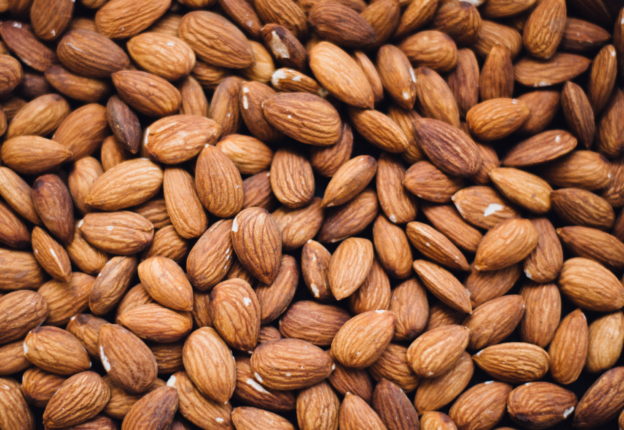
Allspice Berries

Allspice 101 – The Basics


If you’re wondering what “allspice” is, you’ve hit the jackpot. Below is a complete article all about this delicious spice that can be used in everything from appetizers to desserts. It can be used as a substitute for other warm spices and even spice blends that are commonly used in desserts, like pumpkin and apple pies, and pumpkin bread. If you haven’t tried allspice, please do. It’s worth it!

Enjoy!
Judi

Allspice 101 – The Basics

About Allspice
Allspice is made from the dried berries of the allspice tree, known as Pimenta dioica. The tree is native to Jamaica and is in the myrtle family. The tree is also known as Jamaican pepper and new spice. It was discovered by Christopher Columbus during one of his trips to the New World.

The allspice berries are harvested when they are green (unripe), briefly fermented, then dried, which makes them turn reddish-brown. The spice is sold as whole, dried berries, and also ground. Allspice has a sweet aroma and tastes like a blend of cinnamon, cloves, nutmeg, and pepper. The flavor has been described as sweet, with hot, pungent, and/or spicy notes of black pepper, cinnamon, cloves, cumin, mace and/or nutmeg.

Allspice can be used in any dish or recipe as a substitute that calls for the warm spices it resembles. It is often used in desserts, but also in side dishes, main courses, and beverages including mulled wine and hot cider. Allspice is used largely in Caribbean (especially Jamaican), Middle Eastern, and Latin American cuisines. Allspice is a key ingredient in the popular Jamaican Jerk Chicken.

Health Benefits
Because we don’t eat a lot of allspice at any one time, the nutritional aspects aren’t worth noting. However, allspice contains an array of compounds that gives the spice some special health benefits that have been used in traditional, natural remedies for many years. Even though scientific studies have not been conducted examining the health benefits of allspice, traditional folk medicine in the Caribbean and Central America has used allspice for a variety of ailments. The main compounds in allspice that appear to have medicinal properties include:

Eugenol. Allspice contains eugenol, a compound that may explain many of its healthful benefits. Eugenol, which is also found in clove oil, has been found have antiseptic properties and has been used to relieve toothache. Natural healers have used allspice for relieving tooth pain and topically for other pain issues including gas, bloating, diarrhea, constipation, nausea, and vomiting. Allspice is also said to have antimicrobial properties and has been used to alleviate infections. Some dentists use eugenol to kill germs on teeth and gums.

Quercetin. Quercetin is a flavonoid that has antioxidant and anti-inflammatory properties. Research has shown that quercetin may help to reduce inflammation, kill cancer cells, control blood sugar, and help to prevent heart disease.

Gallic Acid. Gallic acid is a phenolic acid compound with anti-viral and anti-cancer properties. It is being studies as a potential treatment for Parkinson’s disease.

Ericifolin. Ericifolin is a polyphenolic compound with antioxidant properties. It is being studied as a possible treatment for prostate cancer.

Specific ailments treated with allspice include:

Gas, Bloating, and Upset Stomach. Allspice can relieve gas, bloating, and stomach upset. This is believed to be due to the spice’s many antioxidants. Many cultures use allspice tea to relieve stomach upset. Simply steep ½ teaspoon of ground allspice in 1 cup of hot water for 10 minutes; strain and sip. It is best to drink the tea between meals because compounds in allspice may interfere with the absorption of iron and other minerals. Limit yourself to one cup daily until you observe how your digestive tract reacts to the allspice.

Aches and Pains (Including Headache and Sinus Pain). Ground allspice and allspice essential oil have been used in a natural poultice (paste) to help relieve aches and pains. To make a poultice with ground allspice, mix the ground spice with enough water to make a thick paste. Apply it to the painful area, cover it with a thin piece of gauze or cloth (to prevent a mess), and leave it on for about 20 minutes.

When using allspice essential oil, mix 2 to 3 drops of the oil with at least 3 tablespoons of carrier oil (such as grapeseed, coconut, or olive oil) and massage into the painful area. Wash hands afterwards and be especially careful not to get the mixture in your eyes or mucous membranes.

Allspice essential oil may also be diffused in the air to help ease a headache or sinus pain.

Note of Caution. It is important to note that allspice, especially its essential oil, may cause allergic skin reactions in individuals who are sensitive to it. If you’re not sure, test a small area or use a small amount at first.

How to Select Allspice
Allspice is available as whole berries and ground. The whole berries will have a much longer shelf life than the ground form, which loses its flavor quickly. Whole allspice berries are usually used in soups and stews, whereas the ground berries are often used in desserts, such as cakes, pies, and quick breads.

How to Store Allspice
Allspice should be stored in an airtight container, in a cool, dry pantry, away from sunlight. It does not need to be refrigerated nor frozen. Allspice should last for years, although the ground version will lose its flavor quickly.

Quick Ideas and Tips for Using Allspice
* Allspice is usually added at the beginning of cooking time when adding it to meats, soups, stews, or similar dishes. This allows time for its flavor to be infused in the other ingredients.

* If you want to reduce the flavor of allspice berries, cook them before using them as seasoning. Bake them in advance for about 10 minutes, or toast them in a cast iron skillet on the stovetop.

* To add a little spice to vegetables, try adding about 1/8 teaspoon of ground allspice to carrots, cabbage, string beans or mushrooms while they are cooking.

* Try adding just a pinch of ground allspice to chili for a Cincinnati-style chili flavor.

* If a recipe calls for allspice and you don’t have any, make your own substitute by combining two parts of ground cinnamon to one part of cloves and one part of nutmeg. Store in a covered, airtight container in a cool, dry place away from sunlight. No need to refrigerate or freeze it. It should last for years.

* If a recipe calls for ground nutmeg, cloves, or cinnamon, you could substitute allspice instead.

* If you need to substitute ground allspice for berries (or vice versa), the conversion is: 6 whole allspice berries are equivalent to ¼ to ½ teaspoon of ground (depending on the size of the berries).

* If you add whole allspice berries to a recipe, such as a soup, be sure to remove them before serving.

* Freshly ground allspice berries will have a better flavor than purchased already ground allspice. Because of that, many people buy only the berries and grind them as needed in a spice grinder.

* Some people have used allspice and other warm spices (such as cinnamon, ginger and cloves) to help them reduce their sugar intake. They simply add some ground allspice to oatmeal and other breakfast cereals, and other dishes instead of added sugar.

* For something really different, sprinkle just a little ground allspice on a cheesy pasta dish. The allspice will enhance the cheese flavor and give the dish an unexpected warm spiciness.

* Try sprinkling just a little allspice on yogurt for a warm, spicy flavor.

* Sprinkling just a little ground allspice into your favorite coffee will enhance its aroma and flavor.

* For an easy way to season pumpkin pie or roasted pumpkin, season it with ground allspice instead of the array of spices usually called for (cinnamon, nutmeg, cloves).

* Easily flavor mulled wine or apple cider with a few allspice berries.

* Simplify your apple pie recipe by using allspice instead of the mixture of cinnamon, cloves, and nutmeg.

* Try adding a pinch of ground allspice to roasted vegetables for a warm, spicy flavor.

Herbs and Spices That Go Well with Allspice
Cinnamon, cloves, cumin, ginger, nutmeg, pepper (black)

Foods That Go Well with Allspice
Proteins, Legumes, Nuts, Seeds: Beans (including baked beans), beef, chicken, lamb, nuts (in general), pecans, pork, sausage

Vegetables: Beets, cabbage, carrots, chiles, cucumbers, ginger, onions, root vegetables (in general), squash (winter), sweet potatoes

Fruits: Apples, bananas, coconut, fruit (in general), cranberries, mangoes, oranges, peaches, pears, pineapple, pumpkin, tamarind

Grains and Grain Products: Grains (in general), oats, quinoa

Dairy and Non-Dairy: Ice cream, yogurt

Other Foods: Chocolate, rum, sugar, vinegar (i.e. apple cider, red wine)

Allspice has been used in the following cuisines and dishes…
Baked goods (cakes, cookies, etc.), beverages (i.e. chai, cocoa), Caribbean cuisine (esp. jerk seasoning), fruit compotes, curry powder, desserts, English cuisine, Ethiopian cuisine, gravies, ice cream, Indian cuisine, Jamaican cuisine, ketchup, marinades, Mexican cuisine, Moroccan cuisine, pickled vegetables (i.e. broccoli, cauliflower, cucumber, green beans), pies, pilafs, puddings, punch, salad dressings, sauces, soups (i.e. fruit, tomato), stews, teas, wine (mulled)

Recipe Links
Jamaican Jerk Seasoning https://www.thespruceeats.com/jerk-seasoning-spice-from-the-caribbean-912883

Jamaican Jerk Sauce https://www.thespruceeats.com/jamaican-jerk-sauce-recipe-1806844

Cabbage Tabbouleh https://www.bonappetit.com/recipe/cabbage-tabbouleh

Cranberry Sauce with Orange and Cinnamon https://www.bonappetit.com/recipe/cranberry-sauce-with-orange-and-cinnamon

Embrace Cozy Sweater Weather by Using Allspice in these 9 Recipes https://www.brit.co/allspice-recipes/

Allspice Spice Cake https://www.mccormick.com/recipes/dessert/allspice-spice-cake

Spiced Cider https://www.thedailymeal.com/spiced-cider-recipe

Roasted Pumpkin and Acorn Squash https://www.thedailymeal.com/recipes/roasted-pumpkin-and-acorn-squash-recipe

Amazing Apple Pie https://www.thedailymeal.com/amazing-apple-pie-recipe

Cranberry-Orange Salsa Recipe https://www.thedailymeal.com/cranberry-orange-salsa-recipe

Dinosaur Bar-B-Que’s Dino Jerk Sauce https://www.thedailymeal.com/recipes/dinosaur-bar-b-ques-dino-jerk-sauce-recipe

Peach Coffee Cake https://www.thedailymeal.com/peach-coffee-cake-0-recipe

Caribbean Turkey Burgers with Fiery Mango Salsa https://www.thedailymeal.com/best-recipes/caribbean-turkey-burgers-fiery-mango-salsa

Molasses Spice Cookies https://www.thedailymeal.com/recipes/molasses-spice-cookies-recipe-0


Resources
https://www.thespruceeats.com/what-is-allspice-p2-995556

https://www.oola.com/life-in-flavor/2454768/what-is-allspice/

https://www.webmd.com/vitamins/ai/ingredientmono-81/allspice

https://www.verywellhealth.com/the-benefits-of-allspice-89537

https://www.rxlist.com/allspice/supplements.htm

https://www.rxlist.com/allspice/supplements.htm#OtherNames

https://www.masterclass.com/articles/what-is-allspice-how-to-cook-with-allspice-and-homemade-allspice-substitute-recipe#what-is-allspice

https://www.yuppiechef.com/spatula/how-to-use-allspice-in-cooking/

https://www.saveur.com/the-savory-side-of-allspice/

Page, Karen. (2014) The Vegetarian Flavor Bible. New York, NY: Little, Brown and Company.


About Judi

Julia W. Klee (Judi) began her journey enjoying “all things food” in elementary school when she started preparing meals for her family. That love of food blossomed into a quest to learn more and more about health and wellness as related to nutrition. She went on to earn a BS Degree in Food and Nutrition, then an MS Degree in Nutrition. She has taught nutrition and related courses at the college level to pre-nursing and exercise science students. Her hunger to learn didn’t stop upon graduation from college. She continues to research on a regular basis about nutrition as it relates to health. Her hope is to help as many people as possible to enjoy foods that promote health and wellness.
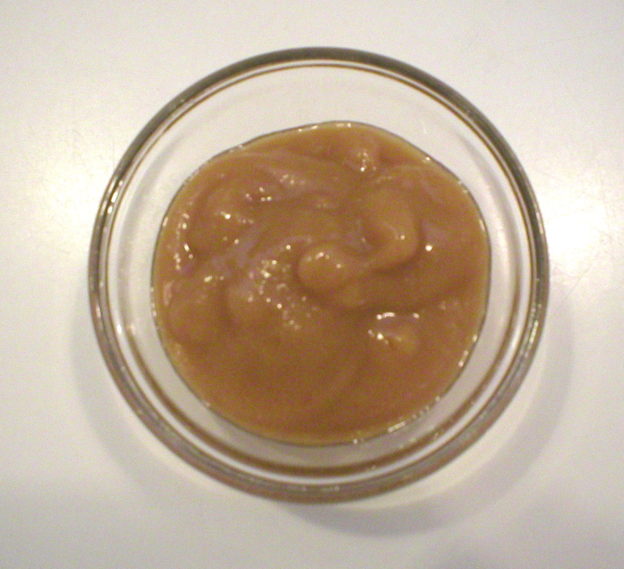
Creamy Raspberry Dressing (Oil Free)

Creamy Raspberry Dressing (Oil Free)

Here’s an easy salad dressing to make. It’s delicious and has no added oil, no added sugar, and no added salt! The flavors can easily be adjusted to meet your needs and taste preferences. Serve this simple dressing over any fruit salad or green salad. Below is a video demonstration of how to make the dressing. The written recipe is below the video.

Enjoy!
Judi

Raspberry Dressing (Oil Free)
Makes About 1 Cup

½ cup cooked white beans of choice
1 Tbsp hulled hemp seeds
¼ cup raspberries
1 Tbsp balsamic vinegar
1 Tbsp red wine vinegar
½ stalk celery
2 dates
½ cup apple juice

Place all ingredients in a high-speed blender and process until smooth. Serve over any fruit or green salad. Store in a covered container in the refrigerator and use within 4 days.

Cook’s Note: This dressing has a mild raspberry flavor with all ingredient flavors blending well together. If you want a more pronounced raspberry flavor, simply add more raspberries. If you want it to taste sweeter, add more dates. For more tartness, add more raspberries and/or more vinegar. Experiment with it until it’s your favorite!

Roasted Acorn Squash Seeds (No Oil)

Roasted Acorn Squash Seeds (Without Oil!)

If you’re looking for a way to roast squash seeds without added oil, here it is! This simple method can be applied to any winter squash you want to use, including butternut squash and pumpkin. Also, the seeds can be flavored literally any way you prefer, or they can be left unseasoned. It’s your choice! Below is a video demonstration of how to roast seeds without oil, and the written recipe is below the video. I hope this helps!

Enjoy!
Judi


Roasted Acorn Squash Seeds

1 Acorn squash
Seasoning of choice

Preheat oven to 350°F.

Wash and cut the stem end off of an acorn squash. Cut the squash in half and remove the seeds with a spoon. Separate the seeds from the strings. Place the seeds in a small strainer. Rinse the seeds under running water while removing any remaining string membranes. Allow the seeds to drain briefly.

Transfer the rinsed and drained seeds to a dry baking sheet. Sprinkle them with any seasoning of choice. If preferred, they can be left plain. Lightly toss the seeds to disperse the seasoning, then spread the seeds into a single layer on the baking sheet. Place them in the preheated oven until dry, crunchy, and lightly browned, about 20 minutes. Occasionally stir the seeds as they roast, loosening them from the pan and turning them over so both sides can brown. When they are lightly browned and crunchy, remove them from the oven and allow them to cool. Enjoy!

Transfer any leftover cooled seeds to an airtight container and store at room temperature for up to one week, or in the refrigerator for one to two months.

Tip: Possible seasonings include salt, garlic salt, paprika, chili powder, cinnamon and sugar, Italian seasoning and Parmesan cheese, pizza seasoning, dill weed, curry powder and brown sugar, seasoned salt, or any seasoning blend you enjoy!

Acorn Squash

Acorn Squash 101 – The Basics

Below is an article all about acorn squash. If you have a question about this delicious squash, you should find your answer below!

Enjoy,
Judi

Acorn Squash 101 – The Basics

About Acorn Squash
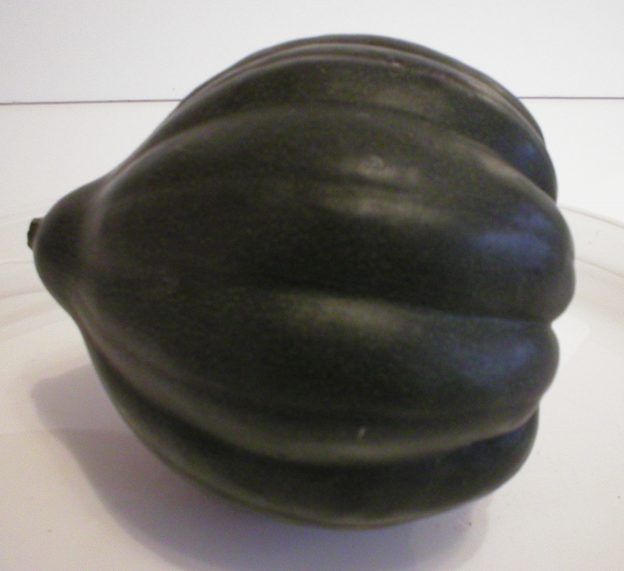
Acorn squash is a winter squash related to pumpkin and butternut squash, yet it is in the same family as the summer squash zucchini. It is an edible gourd that grows on a vine. Acorn squash is technically a fruit, but we treat it as a vegetable. It has a mild, somewhat sweet flavor. Squash is native to the Americas and is believed to be among the first foods cultivated by Native Americans.

There are different varieties of acorn squash. We typically see the dark green variety in most grocery stores. Other varieties include those that are white, orange, or a blend of all three colors. They are usually available year-round in most grocery stores, but they are freshest and in season in the fall through early winter months.

Nutrition and Health Benefits
Acorn squash has a lot to offer nutritionally. A one-cup serving of baked acorn squash has 115 calories, 9 grams of fiber and no fat to speak of. It contains a lot of Vitamins A, C, and B6, thiamin, niacin, and folate. It supplies a lot of minerals including large amounts of iron, magnesium, potassium, and manganese.

Boosts the Immune System. Acorn squash is very high in Vitamin C, which is critical in supporting a strong immune system. Ample Vitamin C helps the body to produce sufficient white blood cells which are critical in fighting contaminants that enter the body.

Promotes Healthy Eyes and Skin. Acorn squash is exceptionally high in Vitamin A which is valuable in promoting eye and skin health. Vitamin A (in the form of beta-carotene) has been linked to reduced oxidative stress in the eyes, which may help to promote better eyesight. Also, according to the Journal of Investigative Dermatology, Vitamin A may help to prevent skin damage caused by ultraviolet light.

Boosts Digestive Health. The high fiber content of acorn squash helps to provide bulk in the intestinal tract preventing constipation, promoting healthy bowels. Fiber-rich foods are also known to help prevent colon cancer and irritable bowel syndrome. Furthermore, acorn squash has both soluble and insoluble fibers which help to promote the health of our microbiome, increasing our overall gastrointestinal health.

Blood Pressure Regulation: Potassium is a known vasodilator, relaxing blood vessels taking stress off the cardiovascular system. Acorn squash contains a lot of potassium (486 milligrams per cup of squash), helping to keep the cardiovascular system healthy.

Healthy Bones: One cup of cooked acorn squash provides 46 milligrams of calcium, an important mineral in helping to keep our bones strong and healthy.

Improves Glycemic Load. The high fiber content of acorn squash (and all winter squash) improves the glycemic load of a meal. This means the fiber helps to slow down the absorption of carbohydrates into the bloodstream after a meal, helping to lower the spike in blood sugar after eating.

Reduced Inflammation. Many of the nutrients in acorn squash act as natural antioxidants, helping to reduce inflammation in the body. Vitamins C and A, along with manganese are in this category.

How to Select an Acorn Squash
When choosing an acorn squash, look for one that feels heavy for its size. The optimal size is between one and three pounds. Larger ones may be dry and stringy. Choose one that feels hard with smooth, dull skin with no soft spots. Ones with shiny skin have been waxed and were most likely picked before they were ripe. A little orange on the skin is fine, but a lot of orange may indicate it may be overripe. Overripe squash may be dry and stringy.

How to Store Acorn Squash
It is best to store uncooked acorn squash in a cool, dark storage area, such as a basement. The ideal storage temperature is between 50 and 55°F. They will keep best when some of the stem remains attached to the squash, which helps to prevent moisture loss. Squash should last up to a month (and sometimes longer) when stored that way. Raw, uncut squash will keep in the refrigerator for up to two weeks, so storing them elsewhere is a better option. Home grown squash may keep well for two to three months (at 50 to 55°F).

Once cut or cooked, acorn squash should be wrapped tightly, stored in the refrigerator, and used within 4 days.

How to Preserve Acorn Squash
Acorn squash should be cooked before being frozen. It may be cooked by any method you prefer. Remove the flesh from the skin, then mash the pulp or leave it in chunks. Place the pulp in an airtight freezer bag or container. Label it with the date and store it in the freezer for up to 10 to 12 months.

How to Prepare Acorn Squash
First remove any labels from the grocery store, then wash the squash. Cut the squash lengthwise and remove the seeds and fibers from the center. If desired, to make your squash easier to cut, first pierce the skin in a few places with a knife or fork. Microwave it on high for 2 minutes, then allow it to cool for a few minutes until it can be handled. Then cut the squash in half, remove the seeds and strings, and cook as desired.

Acorn squash may be steamed, boiled, roasted, stuffed, or microwaved until tender. Then scrape the flesh from the skin (if preferred) and use it as desired. The skin is edible, but many people choose not to eat it. The raw flesh can also be cut from the peel, then cooked as desired. Pureed squash may also be used as a pie filling.

Quick Ideas and Tips for Using Acorn Squash
* When baking cut halves of acorn squash with the skin side down, cut a small slice off the rounded side so they will lay still and not rock around in the baking dish.

* The seeds of acorn squash are edible and can be roasted just as you would roast pumpkin seeds. Remove them from the uncooked squash and separate the seeds from the strings. Rinse, then dry the seeds. Lightly coat the seeds with oil, then spread them on a foil or parchment paper lined baking sheet. Sprinkle with salt or other seasoning, as desired. Roast at 300°F until toasted and fragrant, tossing them every 20 minutes, about an hour. They may be roasted at higher temperatures for shorter periods of time. Just watch them closely so they don’t burn.

* Squash seeds can also be roasted without added oil. Simply remove the seeds from the squash, separate them from the strings, and wash them in cool water. Spread them on a dry baking sheet and sprinkle them with whatever seasoning you desire. Roast them at 350°F until dry and toasted, about 20 to 30 minutes. Allow them to cool, then enjoy!

* Acorn squash has a mild flavor. Those with more orange flesh are sweeter than those with paler flesh.

* For something different, try adding mashed cooked acorn squash in homemade ravioli or between layers of lasagna noodles.

* Try adding cooked acorn squash to soup, especially milk-based soups. It will act as a thickener, making your soup creamy while adding a slightly sweet flavor.

* Here’s a kid-tested way to serve acorn squash…Cut the squash in half lengthwise. Remove the seeds and strings and place it cut side down on a parchment paper lined baking dish. Bake at 375 or 400°F until a knife can be inserted through the squash easily, about 30 minutes. Remove the squash from the oven and turn the pieces cut side up. Add a little fat of choice (no more than 1 tablespoon of coconut oil, butter, or other fat), and about a tablespoon of apricot preserves into the cavity of each half. Return the squash to the oven and broil until the fat is melted and the squash halves are lightly browned.

* For an easy side dish, mash or puree cooked acorn squash and season with herbs of choice (such as sage or thyme), or add sweetener of choice (such as maple syrup, brown sugar, or even apple juice or apple cider) and a dash of complimentary spice such as cinnamon, nutmeg, or allspice.

* Just for the record…the skin of acorn squash IS edible. Whether you want to eat it is up to you. When boiled, the skin will soften and may be more palatable than when cooked other ways. However, when the squash is cooked, the flesh can easily be removed from the peel, so it’s easy to go either way.

Herbs/Spices That Go Well with Acorn Squash
Allspice, cinnamon, cloves, curry powder, ginger, mint, nutmeg, parsley, pepper, sage, salt, savory, thyme

Foods That Go Well with Acorn Squash
Proteins, Legumes, Nuts, Seeds: Almonds, bacon, beans and baked beans, chicken, eggs, hazelnuts, pecans, pine nuts, pistachios, sausage, walnuts

Vegetables: Bell peppers, broccoli, Brussels sprouts, celery, chard (Swiss), fennel, garlic, kale, leeks, mushrooms, onions, potatoes, scallions, spinach, sweet potatoes, turnips

Fruits: Apples, apricots (dried), coconut, cranberries (dried), currants, lemon, orange, pears, plums (dried), raisins

Grains and Grain Products: Breadcrumbs, bulgur, corn, quinoa, rice (esp. wild), wheat

Dairy and Non-Dairy: Butter, browned butter, cheese, coconut milk (and other non-dairy milks), ghee, Parmesan cheese, yogurt

Other Foods: Honey, liqueur (i.e. amaretto, Grand Marnier), maple syrup, miso, olive oil, soy sauce, sugar (esp. brown), sweetener (esp. evaporated cane juice), tamari, vanilla, vinegar

Acorn squash has been used in the following cuisines and dishes…
Stuffed acorn squash, bread stuffing, pilafs, soups, stews

Suggested Food and Flavor Combos Using Acorn Squash
Add acorn squash to any of the following combinations…

Apples + curry powder
Apples + maple syrup
Cinnamon + olive oil
Corn + potatoes
Cranberries + orange
Ginger + maple syrup + soy sauce
Pecans + quinoa

Recipe Links
Vegetarian Acorn Squash Soup https://www.thespruceeats.com/vegetarian-acorn-squash-soup-3377961

Vegetarian Acorn Squash Recipe with Cornbread Stuffing https://www.thespruceeats.com/acorn-squash-recipe-with-cornbread-stuffing-3377154

Grilled Acorn Squash with Asiago Cheese https://www.thespruceeats.com/acorn-squash-with-asiago-cheese-336597

Vegan Stuffed Acorn Squash https://www.thespruceeats.com/vegan-quinoa-stuffed-acorn-squash-recipe-3377024

Baked Stuffed Acorn Squash with Beef and Tomatoes https://www.thespruceeats.com/stuffed-squash-with-spiced-beef-and-tomatoes-3062225

Candied Acorn Squash https://www.food.com/recipe/candied-acorn-squash-3983

Parmesan Acorn Squash https://www.food.com/recipe/parmesan-acorn-squash-104134

Sausage and Apple Stuffed Acorn Squash https://www.food.com/recipe/sausage-and-apple-stuffed-acorn-squash-146036

Baked Acorn Squash with Spicy Maple Syrup https://www.food.com/recipe/baked-acorn-squash-with-spicy-maple-syrup-2056

Baked Cranberry Acorn Squash https://www.food.com/recipe/baked-cranberry-acorn-squash-3806?photo=cGhvdG8tNjQ5OTA

Sweet Acorn Squash and Apple Soup https://www.food.com/recipe/sweet-acorn-squash-and-apple-soup-69271

30 Best Acorn Squash Recipes for a Healthy Addition to Your Fall Dinners https://www.countryliving.com/food-drinks/g4685/acorn-squash/

19 Delicious Acorn Squash Recipes that Will Get You Pumped For Fall https://www.goodhousekeeping.com/food-recipes/g4513/acorn-squash-recipes/

Breakfast Baked Acorn Squash with Greek Yogurt, Honey and Pecans https://www.ambitiouskitchen.com/breakfast-baked-acorn-squash-greek-yogurt-honey-pecans/

Apple-Maple Acorn Squash Puree https://www.cltampa.com/food-drink/recipes/article/20731048/apple-maple-acorn-squash-puree-and-a-lot-more-apple-recipes#.VeSHpflVhBc

Herb Roasted Parmesan Acorn Squash https://therealfoodrds.com/herb-roasted-parmesan-acorn-squash/


Resources
https://www.thespruceeats.com/acorn-squash-facts-selection-and-storage-1807486

https://www.thespruceeats.com/acorn-squash-selection-and-storage-1807731

https://www.thespruceeats.com/oven-toasted-pumpkin-seeds-recipe-1809633

https://www.thespruceeats.com/acorn-squash-cooking-tips-1808026

https://healthyeating.sfgate.com/healthy-acorn-squash-2836.html

https://www.specialtyproduce.com/produce/Acorn_Squash_4383.php

https://foodfacts.mercola.com/acorn-squash.html

http://whfoods.com/genpage.php?tname=foodspice&dbid=63

https://www.medicaldaily.com/acorn-squash-health-benefits-will-surprise-442347

https://producemadesimple.ca/what-goes-well-with-acorn-squash/

https://www.myrecipes.com/ingredients/can-you-eat-the-skin-on-all-types-of-squash

https://www.allrecipes.com/recipe/73843/baked-acorn-squash-with-apricot-preserves/

Page, Karen. (2014) The Vegetarian Flavor Bible. New York, NY: Little, Brown and Company.


About Judi

Julia W. Klee (Judi) began her journey enjoying “all things food” in elementary school when she started preparing meals for her family. That love of food blossomed into a quest to learn more and more about health and wellness as related to nutrition. She went on to earn a BS Degree in Food and Nutrition, then an MS Degree in Nutrition. She has taught nutrition and related courses at the college level to pre-nursing and exercise science students. Her hunger to learn didn’t stop upon graduation from college. She continues to research on a regular basis about nutrition as it relates to health. Her hope is to help as many people as possible to enjoy foods that promote health and wellness.
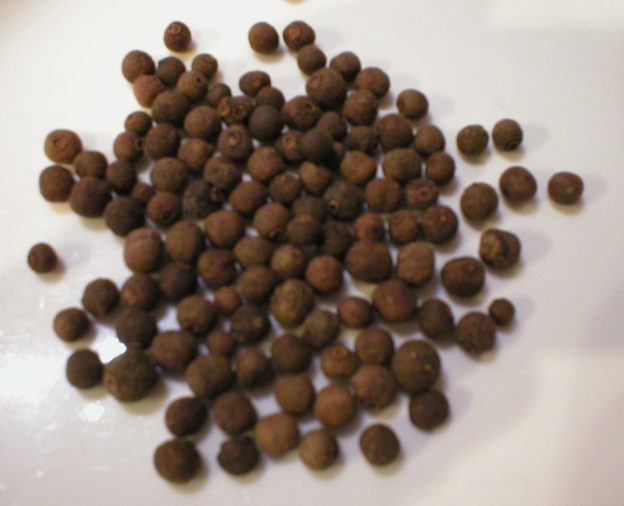
Sauteed Beet Greens and Stems with Garlic

Sauteed Beet Greens and Stems with Garlic

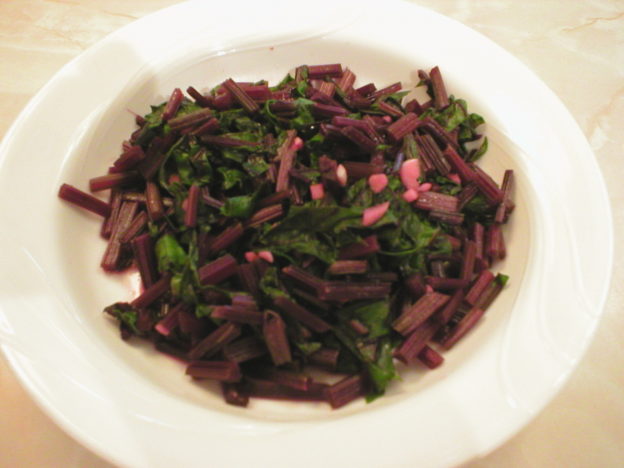
A lot of people discard the beet greens when using fresh beets. However, they are totally edible and delicious. They taste like beets! So, if you want to give them a try and are not sure how to cook them, below is a video demonstration on how to easily and quickly cook up some delicious beet greens and stems. The written recipe is below the video. Give it a try sometime…it’s worth it! I hope this helps!

Enjoy,
Judi

Sautéed Beet Greens and Stems with Garlic
Makes 2 to 3 Servings

1 Bunch of Beet Greens
3 cloves garlic, chopped
Water, vegetable broth, or extra virgin olive oil
Salt and pepper to taste, or other seasonings of choice
1 Tbsp Lemon juice or vinegar, optional (see “Tip” below)

Remove the stems from the beets, leaving about 2 inches still attached to the beets. Discard any old, wilted, or discolored leaves or stems. Wash the greens and stems. Cut them into bite size pieces, placing the stems and leaves in separate bowls.

Heat a skillet over medium heat. Add a small amount of vegetable broth, water or oil. Add the chopped garlic and prepared stem pieces. Add salt, pepper or any seasonings, as desired. Stir-steam the vegetables for about 5 minutes, until the stems are crisp-tender. Add more liquid as needed to keep the vegetables from burning.

Add the greens and stir-steam until they are wilted and as tender as you like. Two or three minutes may be enough. Add a little more liquid or seasonings as needed while the greens cook. Only add enough liquid to keep the vegetables from burning. When the vegetables are as tender as you like, remove them from the heat and serve.

Tip: If leafy greens taste bitter to you, drizzle a little lemon juice or vinegar over your cooked greens before serving. Up to one tablespoon should be enough to reduce bitterness without giving them a lemony flavor.


About Judi

Julia W. Klee (Judi) began her journey enjoying “all things food” in elementary school when she started preparing meals for her family. That love of food blossomed into a quest to learn more and more about health and wellness as related to nutrition. She went on to earn a BS Degree in Food and Nutrition, then an MS Degree in Nutrition. She has taught nutrition and related courses at the college level to pre-nursing and exercise science students. Her hunger to learn didn’t stop upon graduation from college. She continues to research on a regular basis about nutrition as it relates to health. Her hope is to help as many people as possible to enjoy foods that promote health and wellness.

Beets

Beets 101 – How to Freeze Beets

If you have an abundance of fresh beets, you may want to freeze them so they’ll keep for later. The process is not hard, but it does take a little effort. Below is a video demonstrating how to freeze fresh beets. The steps are outlined below the video. I hope this helps!

Enjoy,
Judi

Steps to freeze fresh beets:

  1. Cut off the stems, leaving about 2 inches attached to the beet. Do not cut off the tap root.
  2. Wash the beets, and do not peel them.
  3. Put your washed beets in a pot and cover them with water, like you would boil a whole potato.
  4. Boil the beets until they are tender, until a sharp knife can be easily inserted into the beet.
  5. Transfer the beets from the boiling water to a bowl of cold water. Allow them to stay there until they are completely cooled.
  6. Remove the beets from the cold water and place them on a cutting board or plate (a plate may be preferred since the beets may stain a cutting board).
  7. Cut off the stems and tap root. Remove the skin, either with a paring knife, or by gently rubbing the beet with your fingers.
  8. Cut the beets into desired size pieces and lay them so they don’t overlap on a parchment paper-lined tray or baking sheet.
  9. Place the tray in the freezer and allow the beets to freeze. This may take about an hour.
  10. Transfer the frozen beets to a freezer bag or container. Label them with the current date and use them within one year, for best quality. They will be edible beyond that, but the quality may deteriorate.

About Judi

Julia W. Klee (Judi) began her journey enjoying “all things food” in elementary school when she started preparing meals for her family. That love of food blossomed into a quest to learn more and more about health and wellness as related to nutrition. She went on to earn a BS Degree in Food and Nutrition, then an MS Degree in Nutrition. She has taught nutrition and related courses at the college level to pre-nursing and exercise science students. Her hunger to learn didn’t stop upon graduation from college. She continues to research on a regular basis about nutrition as it relates to health. Her hope is to help as many people as possible to enjoy foods that promote health and wellness.
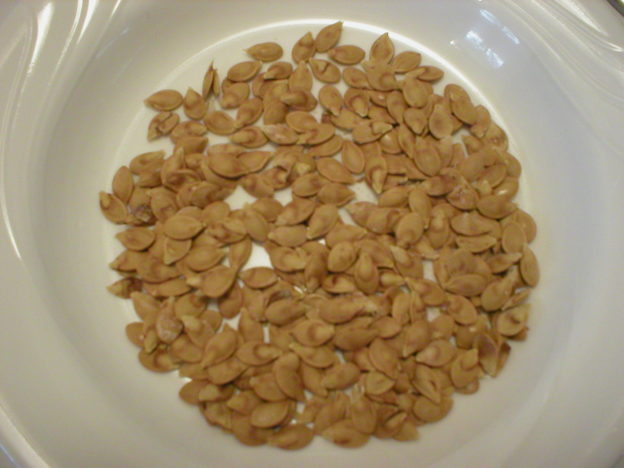
Beets

Beets 101 – The Basics

The following is a comprehensive article all about beets. If you need to know a little something about beets, you should find the answer here, from what they are and their health benefits, to how to select, store and prepare them, to tips for using them, to what goes with them, to suggested recipe ideas, and more! Read on…

Enjoy!
Judi

Beets 101 – The Basics

About Beets
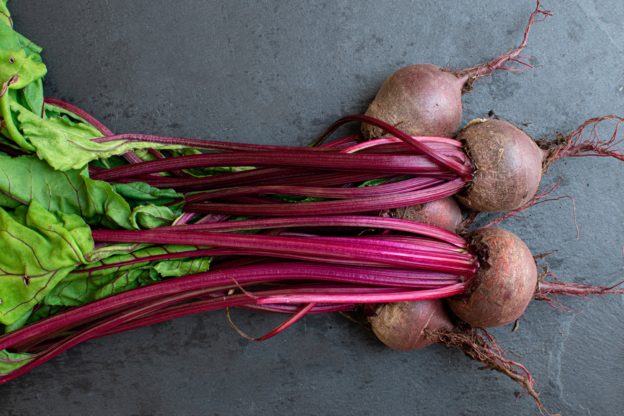
Beets are root vegetables with a deep, colorful round or oblong root, with long, stems growing upward with bright green leaves at the top. All parts of the plant are edible. Beets are in the same plant family as Swiss chard and their leaves resemble Swiss chard in both taste and texture. The beets we typically find in grocery stores are a rich, reddish-purple color, but they can also be found with white, golden/yellow, and even rainbow color roots.

Beet roots appear to be hardy since they can be hard to cut, but they bruise and puncture easily. This causes their colorful pigments (which are healthful phytonutrients) to leach out when cooked. So, it is helpful to treat beet roots as a delicate food, even though they appear to be hardy.

Beets have a high sugar content which makes them an important source for sugar in the sweetener industry. However, the beets used for sugar consumption are a different variety then what we typically purchase in the store.

Beets roots may be eaten cooked or raw. Raw beet roots have a crunchy texture that becomes soft and buttery when they are cooked. Beet roots are more often eaten cooked than raw. They are the main ingredient in the eastern European soup, borscht. In many areas, beets are available year-round, but they are in season from June through October.

Beet greens have an earthy, somewhat bitter flavor, like that of Swiss chard. Beet greens are delicious and can be eaten raw or prepared like Swiss chard, spinach, or any other delicate leafy green vegetable. They are rich in nutrients including many vitamins, minerals, and carotenoids.

Nutrition and Health Benefits of Beets
Beet roots are rich in folate, manganese, potassium, copper, fiber, magnesium, phosphorus, Vitamin C, iron, and Vitamin B6. One cup of cooked, sliced beets has 75 calories.

One cup of cooked beet greens is high in Vitamins K, A, C, E, B1, B2, B6, folate and pantothenic acid. They are also rich in potassium, manganese, magnesium, copper, calcium, iron, phosphorus, and zinc. One cup of cooked beet greens has only 39 calories. That’s a big nutritional boost for so few calories. So, don’t toss the greens!

Antioxidant, Anti-Inflammatory, and Detoxification Effects. Beet roots are rich in colorful pigments and other compounds (betaine, betalains, nitrates, and others) that offer many health benefits. Researchers have found that betaine is used in many cellular functions and protects cells against oxidative stress which can damage cells. Betalains, which give beets their rich color, have strong antioxidant, anti-inflammatory, and detoxification effects. The nitrates in beets help to relax and expand blood vessels, increasing blood flow and lowering blood pressure.

Possible Anti-Cancer Effects. Preliminary lab studies with human cells have shown that the compounds in beets may have anti-cancer benefits, helping to protect us from colon, stomach, nerve, lung, breast, prostate, and testicular cancers. Large-scale human studies still need to be conducted, but future research may verify that beets may be protective against cancer.

Glycemic Load. Beets are known to have a high sugar content, and some people avoid eating them for this reason. Even though beets have more sugar than other root vegetables, their effect on blood sugar is countered by their high fiber, which slows the sugar’s absorption into the bloodstream. Because of the fiber content, when included in a meal, beets are considered to have a low glycemic load, so they should not be of concern for most people.

Don’t Toss the Greens! Beet greens are also worth mentioning for their high nutritional value. Many people toss them away, but they are completely edible and very nutritious, so enjoy them as a side dish, added to stir-fry vegetables or toss them in a salad or soup! Beet greens are rich in many nutrients, as stated earlier. One cup of beet greens provides about 2400 International Units of beta-carotene (a Vitamin A precursor) that is linked to eye and skin health, and a reduced risk of breast cancer.

Possible concerns…

Beeturia. Beeturia is an uncommon condition where urine turns a reddish color after the consumption of beet roots. This is not a harmful condition and should not be of concern. About 5 to 15% of American adults experience this condition. People with problems metabolizing iron are more prone to this condition. If you experience beeturia and suspect you are deficient in iron, or have an iron overload or problems utilizing iron, consult your doctor regarding your condition.

It is also possible for stool to be reddish after beet consumption. This condition is more common in children than adults. It is not harmful.

Oxalates. Beets are known to be high in oxalates, naturally occurring acids found in many foods. Oxalates play a supportive role in the metabolism of many foods, but some people experience problems when ingesting a lot of them. When combined with a high level of calcium in the body, oxalates may promote the formation of kidney stones in some people. If you have problems utilizing oxalates, it may be wise to limit the amount of beets you include in your diet.

How to Select Fresh Beets
Look for fresh beets that are small to medium in size, are firm and smooth-skinned, and have a deep color. Smaller beet roots will be more tender than larger ones. Avoid beet roots that are soft, with bruises or spots, or have wet areas. Such problems indicate spoilage. Older beet roots may be shriveled and will be tough and fibrous. Beets larger than 3 inches in diameter will be touch and fibrous.

If you plan to eat the beet greens (which are delicious in themselves), look for those that appear fresh, tender, and have a bright green color.

How to Store Beets
If your fresh beets still have leaves/stems attached, cut the leaves with most of the stems away from the root. Leaving about 2 inches of stems still attached helps to keep the beet roots from bleeding during cooking. Also, do not cut roots attached to the beet itself. Store your beet roots, unwashed, wrapped in a dry cloth or paper towel, placed in a plastic bag in the refrigerator. They should keep for about 10 days, up to 3 weeks.

Store unwashed beet greens wrapped in a dry cloth or paper towel, placed in a plastic bag, and stored in the refrigerator. Use them within four days.

How to Prepare Beets
Beet Roots. Wash your beet roots by gently rinsing them under running water. Wearing kitchen gloves can help to keep your hands from getting stained. Trim the stems from the bulb, leaving about 2 inches of the stems attached. Do not trim roots away from the bulb.

Beets may be eaten raw, shredded for salads. They can also be enjoyed cooked by boiling, steaming, stir-steaming, or roasting them. They can be peeled before or after being cooked. Leaving the peel on and roots attached while being cooked can help to keep their colorful pigments from leaching into the cooking liquid. After being cooked, the peels should easily slip off. An easy way to prepare them for steaming is to cut the beet root into quarters, leaving 2 inches of tap root and one or two inches of stems attached. The skin can be removed after the pieces are cooked.

It is important to note that the colorful, healthy pigments that give beets their rich color, are water-soluble and leach out during the cooking process. To help preserve these important compounds, it is recommended that beets be cooked for the least amount of time possible, and with one or two inches of stems still attached, along with the roots.

Beet Greens: Prepare beet greens as you would any other tender leafy green, such as Swiss chard. Simply wash the greens and cut or tear them as desired. They can be eaten raw, sautéed in a small amount of olive oil and garlic, or stir-steamed in a little vegetable broth or water. Season with salt and pepper and some red pepper flakes, if desired. Finish them with a splash of white wine, lemon juice, or vinegar. The added acidic ingredient at the end will brighten the flavor and make them even more inviting.

How to Freeze Beets
Choose fresh, tender beets that are small to medium size. Buying them all about the same size will allow them to cook within the same time frame. Cut off the leaves and stems, leaving about an inch or two attached to the beet. Leave the roots attached. Leaving some of the stems attached and the roots intact helps to keep the beets from bleeding during the cooking process.

Wash your beets well to remove any dirt or debris. Do not peel them yet. Fill a pot with water and add the beets. Bring everything to a boil, and cook anywhere from 25 to 50 minutes, depending on the size of the beets. They are done when they are fork tender. When they are cooked, transfer them to a bowl of ice water and allow them to cool completely. Then remove the tops, roots, and skins, which should practically slip off with your fingers. Cut the beets into desired size pieces. Lay them on a parchment paper lined baking sheet in a single layer. Place them in the freezer until completely frozen. Transfer your frozen beets to a freezer bag or container and remove as much air as possible. Beets have a high water content, so they will keep best in an air-tight container with as little air as possible. Label the container and return them to the freezer. Beets will keep well for about one year. They will be edible beyond that, but their quality may decline thereafter.

Quick Ideas and Tips for Using Beets
* If your hands get stained when preparing beets, rub them with some lemon juice and the stains should come off.

* If your countertop or floor get stained with beet juice, clean them with some well-diluted bleach and the stain should come off.

* When buying fresh beets, be sure to remove the stems and leaves from the beet roots before storing them, leaving about one to two inches of stems still attached to the bulb. Leaving the leaves attached will cause the roots to go bad faster. Also, leave the roots attached to the bulb, which will help to preserve the color during the cooking process.

* Raw beet roots can be grated and sprinkled on salads for a flavor, crunch, and color boost.

* Beet greens can be stir-steamed quickly in a small amount of vegetable broth or water. This makes a very fast, easy, delicious, and nutritious side dish to go with just about any meal.

* In case you’re wondering, the beets we buy in the store have not been genetically modified. However, beets used for sugar production have been modified. So, if you’re avoiding genetically modified foods, you should be aware of this.

* One way to roast beets while keeping them tender is to wrap them in foil before roasting. That will allow the sugars to caramelize while the foil locks in the moisture, keeping them moist and tender. Preheat oven to 350°F. Remove the stems from the bulb, leaving one to two inches of stems still attached. Cut roots back, leaving an inch or two still attached to the bulb. Scrub the beet well to remove any dirt or debris. Place your prepared beets on a large sheet of aluminum foil, drizzle them with a little olive oil, and season with salt and pepper, or as desired. Fold the foil and crimp the edges, wrapping them together in a foil packet. Bake them for 40 to 60 minutes, until tender. Test by poking them with a knife through the foil packet. When tender, remove them from the oven and allow them to cool in the foil packet. When they are cool enough to handle, remove the skins.

* Another way to roast beets is to leave the roots attached and cut the stems off, leaving about 2 inches still attached to the beet root. Wash the beets to remove any dirt or debris. Place them in a casserole dish that has a lid. Add a little water to the dish with your prepared beets. Cover the dish and roast them at 425°F for 40 to 45 minutes, or until tender. Allow them to cool, then cut off the roots and stems, and slip off the skins. Serve as a side dish, season them with a vinaigrette dressing, or add them to soup.

* Try dressing diced roasted beets with a little lemon juice and yogurt.

* Top cubed, roasted beets with a mustard vinaigrette dressing and serve with your favorite green salad.

Herbs/Spices That Go Well with Beets
Allspice, anise, basil, bay leaf, capers, caraway seeds, cardamom, chervil, chili pepper flakes, cilantro, cinnamon, cloves, coriander, cumin, curry powder, dill, fennel seeds, ginger, lemongrass, mace, marjoram, mint, mustard powder, nutmeg, oregano, paprika, parsley, pepper, poppy seeds, sage, salt, savory, star anise, tarragon, thyme

Foods That Go Well with Beets
Proteins, Legumes, Nuts, Seeds: Beans, beef, black-eyed peas, chickpeas, duck, edamame, eggs (esp. hard boiled), fish, lentils, nuts (esp. hazelnuts, macadamia, pecans, pine nuts, pistachios, walnuts), poppy seeds, pork, pumpkin seeds, sunflower seeds, tofu

Vegetables: Arugula, asparagus, bell peppers, cabbage, carrots, cauliflower, celery, celery root, Swiss chard, chili peppers, chives, cucumbers, endive, fennel, garlic, greens, kale, leeks, lettuce, mushrooms, onions, parsnips, potatoes, radishes, rhubarb, scallions, sea vegetables, shallots, spinach, tomatoes, turnips, other root vegetables, wakame (seaweed), watercress

Fruits: Apples, apple juice, avocado, blackberries, citrus fruits and juice, cranberries, dried fruit, grapefruit, kumquats, lemon, lime, mangoes, olives, orange, pears, pomegranate, raisins, watermelon

Grains and Grain Products: Breads (dark and rye), couscous, grains (in general), pasta, quinoa

Dairy and Non-Dairy: Butter, buttermilk, cheese (esp. blue, feta, goat, Parmesan, ricotta), cream, crème fraiche, mascarpone, milk, sour cream, yogurt

Other Foods: Agave nectar, chocolate, cocoa, honey, horseradish, lavender, maple syrup, mayonnaise, oil, soy sauce, stock (vegetable), sugar (esp. brown), vinaigrette, vinegar (esp. balsamic, cider, red wine, sherry, white balsamic, white wine), wasabi, wine (dry red)

Beets have been used in the following cuisines and dishes…
Baked goods (i.e. cakes), chips, chutneys, crudités, desserts, falafel, hash (i.e. red flannel), juices (i.e. beets, carrots, celery), relishes, risottos, Russian cuisine, salads, soups, stews, tartares, veggie burgers

Suggested Food and Flavor Combos Including Beets
Add beets to any of the following combinations…

Arugula + feta cheese + balsamic vinegar + walnuts
Avocado + orange
Balsamic vinegar + blackberries
Balsamic vinegar + carrots + chives + greens
Balsamic vinegar + chives + parsley + red onions
Balsamic vinegar + fennel + oranges
Beet greens + dill + lemon + yogurt
Cheese + fruit + greens + nuts
Crème fraiche + dill + orange
Fennel + ginger + yogurt
Fennel + orange + watercress + yogurt
Garlic + olive oil + parsley
Ginger + mint + orange
Horseradish + pistachios + ricotta
Orange juice/zest + wine vinegar + walnut oil + walnuts
Pistachios + watercress + yogurt

Recipe Links

Best Beet Recipes https://www.thespruceeats.com/variety-of-beet-recipes-3061445

Easy and Delicious Roast Beetroot https://www.thespruceeats.com/go-to-easy-roast-beetroot-recipe-435699

How to Freeze Blanched or Roasted Beets https://www.thespruceeats.com/how-to-freeze-beets-3051456

Balsamic Roasted Beets https://joyfoodsunshine.com/roasted-beets/

Twenty of our Best Beet Recipes https://www.tasteofhome.com/collection/our-best-beet-recipes/

34 Beet Recipes for Roasting, Frying and More https://www.bonappetit.com/recipes/slideshow/roast-em-fry-em-grate-em-38-ways-cook-eat-beets

10 Favorite Beet Recipes https://www.acouplecooks.com/beet-recipes/

How to Cook Beets (4 Easy Methods) https://www.jessicagavin.com/how-to-cook-beets/

16 of the Best Every Beet Recipes https://www.realsimple.com/food-recipes/recipe-collections-favorites/popular-ingredients/beet-recipes

Tasty Roasted Beets https://www.allrecipes.com/recipe/218185/tasty-roasted-beets/

30 Delicious Beet Recipes https://theinspiredhome.com/articles/your-heart-will-beet-for-these-delicious-recipes?gclid=CjwKCAjwmrn5BRB2EiwAZgL9okVTYz_52IW3bRrbYWWtKI8t3UpOPftrMPRBq09GgPvYYRdpad9RjRoCo0IQAvD_BwE


Resources
https://producemadesimple.ca/what-goes-well-with-beets/

http://www.whfoods.com/genpage.php?tname=foodspice&dbid=49

http://www.whfoods.com/genpage.php?tname=george&dbid=48

https://www.consumerreports.org/healthy-eating/are-beets-good-for-you/

https://food52.com/blog/437-the-best-way-to-cook-beets

https://www.diabetesselfmanagement.com/blog/food-group-superfoods-vegetables-part-5/

https://nutritiondata.self.com/facts/vegetables-and-vegetable-products/2353/2

https://nutritiondata.self.com/facts/vegetables-and-vegetable-products/2349/2

https://www.canr.msu.edu/news/preserving_beets

https://www.thespruceeats.com/how-to-freeze-beets-1388386

Page, Karen. (2014) The Vegetarian Flavor Bible. New York, NY: Little, Brown and Company.


About Judi

Julia W. Klee (Judi) began her journey enjoying “all things food” in elementary school when she started preparing meals for her family. That love of food blossomed into a quest to learn more and more about health and wellness as related to nutrition. She went on to earn a BS Degree in Food and Nutrition, then an MS Degree in Nutrition. She has taught nutrition and related courses at the college level to pre-nursing and exercise science students. Her hunger to learn didn’t stop upon graduation from college. She continues to research on a regular basis about nutrition as it relates to health. Her hope is to help as many people as possible to enjoy foods that promote health and wellness.