
Monthly Archives: November 2021

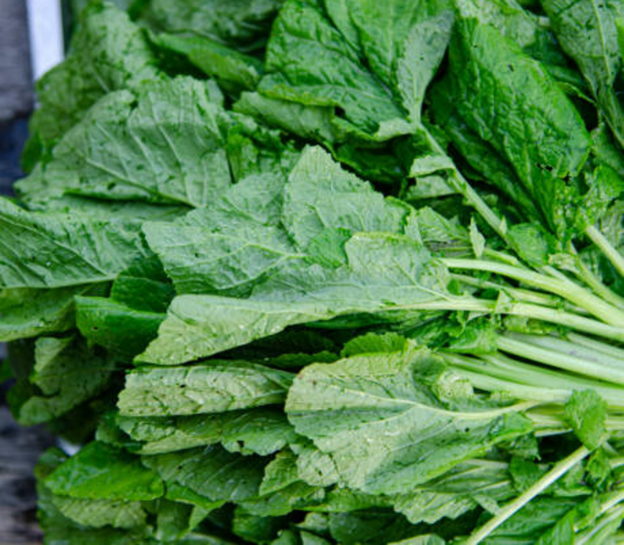
Mustard Greens

Mustard Greens 101 – The Basics

Mustard Greens 101 – The Basics

About Mustard Greens
Mustard greens are members of the Brassicaceae (or “Brassica”) family of plants. This same family of plants is also known as the Crucifereae (or “Cruciferous”) family of plants, and may also be called the “mustard family.” They are all one and the same. Other familiar plants in this family include cabbage, kale, collards, turnips, cauliflower, radishes, and horseradish, among other.

There is no consensus on where the mustard plant originated. It is possible it came from parts of Europe. Wherever it originated, it quickly spread around the world and is now commonly found throughout Europe, Northern Africa, India, Asia, and North America.

Nutrition and Health Benefits
Mustard greens have a lot to brag about regarding nutrient contents. They are one of the most nutritious foods you can eat. They are an excellent source of Vitamin K, Vitamin A (beta-carotene), Vitamin C, Vitamin E, copper, manganese, and calcium. They are a very good source of dietary fiber, phosphorus, Vitamin B6, protein, Vitamin B2, and iron. They are considered to be a good source of potassium, Vitamin B1, magnesium, niacin, pantothenic acid, and folate. One cup of raw mustard greens has a mere 15 calories!

Interestingly, the utilizable amount of Vitamin A, Vitamin K, and copper in mustard greens increases when they are cooked. However, some (but not all!) of the Vitamin C and Vitamin E are lost during cooking.

Mustard greens are also a valuable source of an array of phytonutrients including glucosinolates, phenolic acids, and flavonoids. With all things considered, mustard greens are an extremely healthy food to eat and we should all eat them as often as we can!

Rich in Antioxidants (Disease Prevention). Mustard greens are rich in disease-fighting antioxidants. These are compounds that fight against oxidative stress caused by an excess of harmful free radicals in the body. Such molecules can cause cellular damage leading to serious, chronic conditions, like heart disease, cancer, arthritis, autoimmune disorder, cognitive decline, and Alzheimer’s disease. Eating mustard greens and other leafy greens in the Brassica family on a regular basis can help us avoid these conditions.

Very High in Vitamin K (Blood Clotting and Bone Health). As mentioned earlier, mustard greens are extraordinarily high in Vitamin K. One cup of raw mustard greens provides 120% of the daily value, whereas one cup cooked provides a whopping 690% of the daily value.

Vitamin K is important in proper blood clotting function and is essential for heart and bone health. Inadequate Vitamin K has been linked to an increased risk of heart disease and osteoporosis. Recent studies have also suggested there is a link between Vitamin K deficiency and impaired brain functioning, dementia, and Alzheimer’s disease. All the more reason to be sure you’re getting enough Vitamin K!

Important Note! If you are taking blood thinning medications such as Warfarin, check with your doctor before increasing your intake of Vitamin K-rich foods. The boost in Vitamin K may alter your prothrombin time and your medication dosage may need to be adjusted.

Immune System Support. With mustard greens being high in Vitamins C and A, there is good reason to determine it provides valuable support for the immune system. Vitamin C is essential for a strong immune system. Research has shown that a Vitamin C deficiency weakens the immune system making us more prone to getting sick.  Vitamin A is also important for proper immune functioning because it promotes the growth and distribution of T cells. These are a type of white blood cell needed to help fight off potential infections.

Supports Heart Health. Mustard greens are high in antioxidants, such as flavonoids and beta-carotene (a Vitamin A precursor), which have been associated with a reduced risk of developing and dying from heart disease. A study reported in 2016 in the journal JRSM Cardiovascular Disease found that a high intake of leafy green vegetables in the Brassica family was associated with a significant 15% reduced risk of heart disease.

Anticancer Effects. Glucosinolates are among the powerful phytonutrients found in mustard greens. These compounds have been shown to help protect cells against DNA damage and prevent the growth of cancerous cells. Observational studies have shown a link between overall intake of Brassica vegetables and a reduced risk of certain cancers, including stomach, colorectal, and ovarian cancers.

Eye Health. Lutein and zeaxanthin are among the strong antioxidants found in mustard greens. These specific compounds have been shown to protect the retina from oxidative damage, reducing the risk of eye diseases such as macular degeneration, the leading cause of blindness in the world.

How to Select Mustard Greens
Choose mustard greens that are free of blemishes, yellowing or brown spots. They should look fresh and crisp with a bright green color.

How to Store Mustard Greens
To store mustard greens, wrap them in paper towels or a clean cloth. If they are wet from being in the produce display at the grocery store, simply place them in a plastic bag after wrapping them and store them in the refrigerator. If the leaves are dry, after rolling the leaves, slightly dampen the cloth or paper towels with up to ¼ cup of water. Place the rolled leaves in the dampened cloth inside a plastic bag and store that in the refrigerator. Storing them with some dampness allows them to maintain crispness in a humid, but not wet environment (within the plastic bag). Wait to wash the greens until you’re ready to use them. Enjoy your greens within four days.

How to Prepare Mustard Greens
Simply wash mustard greens under cold water. Then roll the leaves and slice them into ½-inch ribbons. There is no need to remove the stems unless you prefer to do that. Cook as desired.

How to Freeze Mustard Greens
Freezing mustard greens is a simple procedure of blanching, cooling, draining and freezing your greens. This is necessary to stop enzyme activity that would cause them to further age while being stored.

Simply wash your greens very well. You may remove the stems if desired, but it’s not mandatory. Slice the washed leaves into ½-inch ribbons. Bring a large pot of water to boil. Place the prepared leaves in the boiling water and immediately set a kitchen timer for 2 minutes. As soon as the timer is up, transfer the greens to a bowl of cold water. Allow them to cool down completely, then drain them very well. Place the blanched leaves in freezer bags or containers and remove as much air as possible. Label with the current date and use them within 12 months.

Quick Ideas and Tips for Using Mustard Greens
* When cooking mustard greens in liquid, always add them to boiling liquid rather than cold, which would “set” the bitterness.

* To help neutralize the strong flavor of mustard greens, combine them with miso or with other milder-tasting vegetables.

* If mustard greens are too strong or bitter for you, here are some easy ways to tame them down: Blanch them first and discard the blanching water; pair them with strong-flavored ingredients (such as bacon, sausage, or garlic); add something sweet (such as roasted squash or dried fruit); add some acid (such as lemon juice or vinegar) at the end of cooking time; add some salt or a salty ingredient (such as bacon or ham); or braise them (slow cooking in a liquid helps to cut bitterness as it softens the leaves).

* Try stir-steamed mustard greens with walnuts.

* Add young mustard green leaves to a smoothie for a spicy flavor.

* Young mustard greens will be more tender than large, mature leaves. Try adding young mustard greens to a green salad for a flavor boost. Mix them with other greens to balance flavors.

* Try adding chopped mustard greens to a pasta salad. Combine cooked pasta with chopped tomatoes, pine nuts, goat cheese, and young mustard greens. Toss with olive oil and serve.

* If a recipe calls for mustard greens and you don’t have any, broccoli rabe, arugula, turnip greens, radish greens, collards, escarole, kale, mature spinach, or green chard may be substituted.

* One pound of fresh mustard greens = 6 to 7 cups raw, or 1-1/3 to 2 cups cooked

* Ten ounces of frozen mustard greens = 1-1/4 cups cooked

* Try adding mustard greens to soups, stews, and casseroles.

Herbs and Spices That Go Well with Mustard Greens
Capers, cayenne, chili pepper flakes, chili powder, cumin, curry powder, dill, garlic, ginger, pepper (black), salt, thyme

Foods That Go Well with Mustard Greens
Proteins, Legumes, Nuts, Seeds: Bacon, beans (in general, esp. kidney), beef, black-eyed peas, cashews, chickpeas, eggs, fish (and other seafood), lamb, peanuts, peanut butter, pine nuts, pork, sausage, sesame seeds, tofu, walnuts

Vegetables: Carrots, celery, chiles (and chili pepper paste), greens (other, milder greens such as dandelion, spinach), kale, mushrooms, onions, potatoes, scallions, shallots, sweet potatoes, tomatoes, vegetables (in general, milder and/or sweeter), yams

Fruits: Lemon, olives, oranges, pears, raisins

Grains and Grain Products: Bread crumbs, farro, grains (in general), millet, noodles, rice

Dairy and Non-Dairy: Cheese (i.e., goat, smoked Gouda, Parmesan, ricotta)

Other Foods: Miso, molasses, oil (i.e., chili, mustard, olive, peanut, sesame, sunflower seed), soy sauce, stock, tamari, vinegar (apple cider, balsamic, red wine, white wine), wine (i.e., rice), Worcestershire sauce

Mustard greens have been used in the following cuisines and dishes…
African cuisines, Asian cuisines, Chinese cuisine, Indian cuisine, Japanese cuisine, salads (i.e., pasta, potato), sandwiches, sauces, soups (i.e., bean), Southeast Asian cuisines, Southern (U.S.) cuisine, stews, stir-fries, tofu or egg scramble

Suggested Food and Flavor Combos Using Mustard Greens
Add mustard greens to any of the following combinations…

Capers + Lemon
Chiles + Cumin + Garlic + Olive Oil + Vinegar
Cider Vinegar + Molasses + Peanuts
Garlic + Ginger + Soy Sauce
Garlic + Peanuts
Lemon Juice + Olive Oil + Walnuts
Onions + Tomatoes
Scallions + Sesame Oil + Tamari

Recipe Links
Simple Southern Mustard Greens with Bacon https://www.thespruceeats.com/mustard-greens-3060133

10 Ways to Use Mustard Greens https://www.foodandwine.com/vegetables/greens/10-ways-use-mustard-greens

3 Quick Meals You Can Make with Mustard Greens https://www.prevention.com/food-nutrition/g20506296/3-quick-meals-you-can-make-with-mustard-greens/

Sautéed Mustard Greens with Garlic and Lemon https://www.southernliving.com/recipes/sauteed-mustard-greens-garlic-lemon-recipe

Coconut Creamed Greens https://www.bonappetit.com/recipe/coconut-creamed-greens

Soba Soup with Shrimp and Greens https://www.bonappetit.com/recipe/soba-soup-with-shrimp-and-greens

Sake-Braised Mustard Greens with Sesame https://www.bonappetit.com/recipe/sake-braised-mustard-greens-with-sesame

The Greatest Creamed Greens https://www.bonappetit.com/recipe/the-greatest-creamed-greens

Greens Eggs and Ham https://www.bonappetit.com/recipe/greens-eggs-and-ham

Spiced Chickpeas and Greens Frittata https://www.bonappetit.com/recipe/spiced-chickpeas-and-greens-frittata

Mustard Greens https://www.bonappetit.com/ingredient/mustard-greens

Asian-Inspired Mustard Greens https://www.allrecipes.com/recipe/218501/asian-inspired-mustard-greens/

Vegetarian Mustard Greens https://www.budgetbytes.com/vegetarian-mustard-greens/

Mustard Greens https://www.simplyrecipes.com/recipes/mustard_greens/

Balsamic-Glazed Chickpeas and Mustard Greens https://blog.fatfreevegan.com/2009/07/balsamic-glazed-chickpeas-and-mustard.html

15-Minute Mustard Greens Recipe https://plantbasedandbroke.com/15-minute-mustard-greens-recipe/

Curried Mustard Greens and Garbanzo Beans with Sweet Potatoes http://www.whfoods.com/genpage.php?tname=recipe&dbid=41

Instant Pot Mustard Greens https://spicecravings.com/sarson-ka-saag-spiced-mustard-greens#recipe


Resources
https://www.thekitchn.com/5-ways-to-tame-bitter-greens-214850

http://www.whfoods.com/genpage.php?tname=foodspice&dbid=93#preptips

https://www.glad.com/food-storage/protection-pointers/how-to-store-mustard-greens/

https://www.healthline.com/nutrition/mustard-greens-nutrition

https://www.ncbi.nlm.nih.gov/pmc/articles/PMC4973479/

https://www.webmd.com/diet/health-benefits-mustard-greens#2

Cooperative Extension Service, The University of Georgia. (1993) So Easy to Preserve. Third edition, Bulletin 989. Athens, Georgia: The University of Georgia, College of Agricultural and Environmental Sciences.

Joachim, David. (2010) The Food Substitutions Bible. 2nd Edition. Toronto, Ontario, Canada: Robert Rose, Inc.

Page, Karen. (2014) The Vegetarian Flavor Bible. New York, NY: Little, Brown and Company.


About Judi

Julia W. Klee (Judi) began her journey enjoying “all things food” in elementary school when she started preparing meals for her family. That love of food blossomed into a quest to learn more and more about health and wellness as related to nutrition. She went on to earn a BS Degree in Food and Nutrition, then an MS Degree in Nutrition. She has taught nutrition and related courses at the college level to pre-nursing and exercise science students. Her hunger to learn didn’t stop upon graduation from college. She continues to research on a regular basis about nutrition as it relates to health. Her hope is to help as many people as possible to enjoy foods that promote health and wellness.
Berries

Anthocyanins 101

Anthocyanins 101

What are anthocyanins?
Anthocyanins are a very large group of water-soluble colored pigments found in various plants, especially flowers and fruits. They are also found in the leaves, stems, and roots of assorted other plants, including foods.

Anthocyanins are types of flavonoids that are formed when their related compounds, anthocyanidins, are coupled with sugars. Sugars can bind at different places on the anthocyanidin molecule. With assorted types of sugars and different binding sites available, many different types of anthocyanins may be formed. In fact, over 600 different anthocyanins have been identified in plants.

The color and stability of the pigment is affected by pH, light, temperature, and its own structure. Acidic conditions make the pigments red, whereas alkaline conditions turn them blue. Diversity of anthocyanins is further increased by the chemical combination of sugars with organic acids. So, from the various potential molecular combinations, the different types of anthocyanins are vast.

Anthocyanins have a variety of functions for the plants that contain them. They serve as antioxidants, protectants from UV-light, and defense mechanisms. They are also used in pollination and reproduction. The colors help attract pollinators, such as bees and hummingbirds. Some anthocyanins also protect plants against some destructive larvae.

Anthocyanins are what makes many foods red, purple, or blue. The amount of anthocyanin found in a food is generally proportional to the depth of color of the skin of the food. The compounds are found mostly in the skin, except for some fruits such as red berries and cherries, which also contain anthocyanins in their flesh.

Plants containing these compounds have been traditionally used as medicine, and natural food colorants, and dyes. More recent research has uncovered various important health properties of these colorful compounds.

Health Benefits of Anthocyanins
Anthocyanins have been found to have potent antioxidant and antimicrobial properties, improve eye and neurological health, and also provide protection against various diseases. Some anthocyanin-rich foods, such as black carrots, red cabbage, and purple potatoes have been considered as functional foods, and are often eaten for the prevention of specific diseases. Anthocyanins have been shown to help ward off diabetes, cancer, cardiovascular disease, obesity, and inflammation.

Antioxidant Effects. Most of the health benefits of anthocyanins are attributed to their antioxidant effects. Antioxidants are critical for health by neutralizing harmful free radical molecules. Free radical molecules are generated in the body through normal metabolism, and also when we’re exposed to toxins of any sort, infections, high blood sugar levels, alcohol, cigarette smoke, excessive or intense exercise, radiation, and more. They are missing an electron and are very unstable. In an effort to gain stability, a free radical will steal an electron from a nearby molecule making themselves stable, while damaging the other molecule in the process. That “robbed” molecule then becomes a free radical, and the process continues until an antioxidant comes along. The antioxidant is able to “donate” an electron to the unstable molecule without itself becoming unstable and turning into a free radical. An antioxidant stops the damaging process.

Free radicals can serve important functions that are essential for health. For instance, immune cells use free radicals to fight infections, destroying viruses, bacteria, and damaged body cells along the way. Then, antioxidants are used to neutralize the free radicals, stopping further damage in the body. The body strives to maintain a balance of free radicals and antioxidants. When free radicals outnumber antioxidants, it leads to a state of oxidative stress, which invites disease.

Excessive free radicals in the body can damage DNA, cell membranes, and other parts of cells. They have been linked to many illnesses, including diabetes, heart disease, cancer, degenerative eye diseases, atherosclerosis, senile dementia, asthma, inflammatory joint disease, and more. Antioxidants stop harmful free radical molecules by the means detailed above. Antioxidants are critical in the body for health and well-being.

The body makes its own antioxidants. However, since the body needs so many antioxidants, it’s also important to obtain them from foods to help the body in its neutralizing efforts. Antioxidants may also be obtained from various foods (especially plant foods), certain vitamins (such as Vitamins C, E, and the Vitamin A precursor, beta-carotene), and minerals (such as zinc and selenium). It is important to note that it is best to obtain antioxidants from food sources, rather than taking very high dosages of supplements because in some cases, such high dosages may actually promote oxidative stress and the formation of free radicals. Foods that are high in antioxidants should be included as a regular part of the diet to help ward off many diseases.

Cardiovascular Disease. Researchers have found that anthocyanins help to relax blood vessels, thereby lowering blood pressure. They also help to prevent excessive blood clotting. Anthocyanins have also been found to improve the blood lipid profiles of healthy subjects by increasing the formation of high-density lipoproteins (HDL), while decreasing the formation of low-density lipoproteins (LDL). Anthocyanins have also been found to lower the risk of non-fatal myocardial infarction (heart attacks). So, including anthocyanin-rich foods in the diet can be an important part of helping to ward off heart disease.

Anticancer Effects. Anthocyanins have been found to suppress tumor growth, inflammation, and angiogenesis (the development of new blood vessels that feed tumors). Such effects have been seen in the deterrence of esophageal, breast, colon, and prostate cancers, as well as leukemia.

Antidiabetic Effects. Anthocyanins have been found to increase insulin sensitivity (reducing insulin resistance), thereby reducing blood sugar levels. The improved lipid profiles, enhanced antioxidant capacity, and reduced insulin resistance promoted by anthocyanins all work together to help ward off Type 2 diabetes. Anthocyanins have also been found to improve kidney function by reducing oxidative stress, lipotoxicity (the accumulation of fats in non-fatty tissue such as the kidneys, liver, heart and skeletal muscle), and angiogenesis in the kidneys of diabetics, helping to protect them from the damaging effects of diabetes.

Visual Effects. Anthocyanins have been found to improve the visual function in patients with glaucoma. They have also been found to improve blood flow to the eyes without increasing intraocular pressure. In another research project, anthocyanins reduced inflammation in photoreceptor cells, helping to improve their functioning. Anthocyanins have been found to improve dark adaptation, so this may be helpful in people with poor night vision. They have also been found to prevent the formation of cataracts in diabetic subjects.

Antimicrobial Properties. Researchers found that anthocyanins protected cell walls from damage due to invasive microbes. Antibacterial activity was demonstrated against a variety of gram-negative bacteria, including Escherichia choli, Staphylococcus aureus, Pseudomonas aeruginosa, Aeromonas hydrophilia, and Listeria innocua. Therefore, anthocyanins can help to protect us from the diseases caused by these harmful bacteria.

Antiobesity Effects. Anthocyanins have been found to slow weight gain and suppress the formation of fatty tissue, while improving the lipid profiles of obese subjects. Researchers also found that anthocyanins reduced blood and urine glucose concentrations in obese subject. So, if you are striving to lose weight, it would be in your interest to include as many anthocyanin-rich foods in your diet as possible.

Neuroprotective Effects. Anthocyanins have been found to protect against inflammation and degeneration of nerve fibers in mouse models and cell studies. These effects offer protection against Alzheimer’s Disease by preserving memory and synaptic nerve transmission function. The enhanced antioxidant effects of anthocyanins were found to provide extra protection against free radical damage and oxidative stress, improving the functioning of nerve pathways. Anthocyanins were also found to provide protective activity by suppressing dopamine-producing cell death commonly found in Parkinson’s disease.

Foods That Contain Anthocyanins
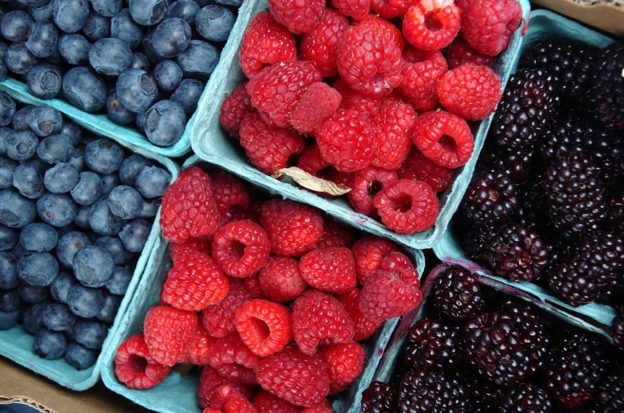
Deeply colored foods with red, purple or blue hues contain anthocyanins. They are particularly high in berries (such as elderberries, chokeberries, bilberries, black raspberries, blackberries, and blueberries).

Anthocyanins are also found in black currants, black olives, goji berries, red cabbage, black plums, cherries, red and black grapes, strawberries, red raspberries, cranberries, black rice, wild rice, purple corn, red onions, red radishes, pomegranates, purple cauliflower, blood oranges, rhubarb, black beans, eggplant, black or purple carrots, and other foods in lesser amounts.

Although they have high nutritional value in their own way, grapefruits, nectarines, peaches, apples and pears contain some, but not appreciable amounts of anthocyanins.

How to Protect Anthocyanins in Foods
Fresh vs Frozen. Researchers have found that anthocyanins in fresh food degrade relatively quickly after being harvested. When fresh and frozen foods were analyzed, they found that frozen foods, such as berries, contained higher amounts of anthocyanins than their fresh counterparts that spent three to ten days in refrigeration after harvest. Since foods are usually processed and frozen quickly after being harvested, if you want to obtain the highest level of anthocyanins in berries, unless you are picking your own or purchase them freshly harvested at a farm market, frozen berries may be a better choice.

Cooking. In a meta-analysis study published in 2014 in Food Research International, researchers compared the anthocyanin levels in foods that were cooked with various methods, including pressure boiling, pressure steaming, conventional steaming, microwaving, and baking. They found that foods cooked with moist heat methods tended to lose the most anthocyanins. The greatest loss of anthocyanins occurred when foods were pressure-steamed.

Dry-heat methods of cooking, such as microwaving and baking, tended to increase the concentration of anthocyanins in the foods tested. Anthocyanins were increased the most when foods were microwaved.

Based on the results of the above studies, if you must cook a food that is high in anthocyanins, baking or microwaving the food may be your best options for preserving as many anthocyanins as possible. When consuming fresh anthocyanin-rich foods, such as berries, use them as quickly as you can after purchase. When consuming frozen foods such as berries, to obtain the most anthocyanins, use them frozen, or allow them to thaw naturally or very briefly in the microwave.


Resources

https://www.ncbi.nlm.nih.gov/pmc/articles/PMC5613902/

https://www.healthline.com/health/gram-positive#vs-gram-negative

https://www.ars.usda.gov/ARSUserFiles/80400525/articles/jafc54_4069-4075.pdf

http://www.food-info.net/uk/colour/anthocyanin.htm

https://pediaa.com/difference-between-anthocyanin-and-anthocyanidin/

https://www.health.harvard.edu/staying-healthy/understanding-antioxidants

https://www.healthline.com/nutrition/antioxidants-explained#free-radicals

https://pubmed.ncbi.nlm.nih.gov/7619452/

https://www.researchgate.net/figure/Anthocyanin-contents-in-foods-of-plant-origin_tbl2_44609005

https://www.ncbi.nlm.nih.gov/pmc/articles/PMC7278599/

https://www.mayoclinic.org/diseases-conditions/parkinsons-disease/symptoms-causes/syc-20376055

https://drannwellness.com/foods-highest-in-anthocyanins-in-order-from-most-to-less/

https://www.bbcgoodfood.com/howto/guide/what-are-anthocyanins-and-why-are-purple-foods-so-healthy

https://content.iospress.com/download/journal-of-berry-research/jbr022?id=journal-of-berry-research%2Fjbr022

https://www.tuscany-diet.net/2014/05/06/anthocyanins-fruits-vegetables-cereals/

https://foodandnutrition.org/november-december-2016/colorful-truth-anthocyanins/

https://www.sciencedirect.com/science/article/abs/pii/S0963996914004074

https://www.healthline.com/health/oxidative-stress#effects

https://pubs.acs.org/doi/10.1021/jf104724k

https://www.sciencedirect.com/science/article/pii/S0570178314000025

https://pubmed.ncbi.nlm.nih.gov/11853511/

https://healthyeating.sfgate.com/nutrients-purple-cauliflower-5633.html

https://www.ncbi.nlm.nih.gov/pmc/articles/PMC2815309/


About Judi

Julia W. Klee (Judi) began her journey enjoying “all things food” in elementary school when she started preparing meals for her family. That love of food blossomed into a quest to learn more and more about health and wellness as related to nutrition. She went on to earn a BS Degree in Food and Nutrition, then an MS Degree in Nutrition. She has taught nutrition and related courses at the college level to pre-nursing and exercise science students. Her hunger to learn didn’t stop upon graduation from college. She continues to research on a regular basis about nutrition as it relates to health. Her hope is to help as many people as possible to enjoy foods that promote health and wellness.

Vegetable Bean Chili

Vegetable Bean Chili

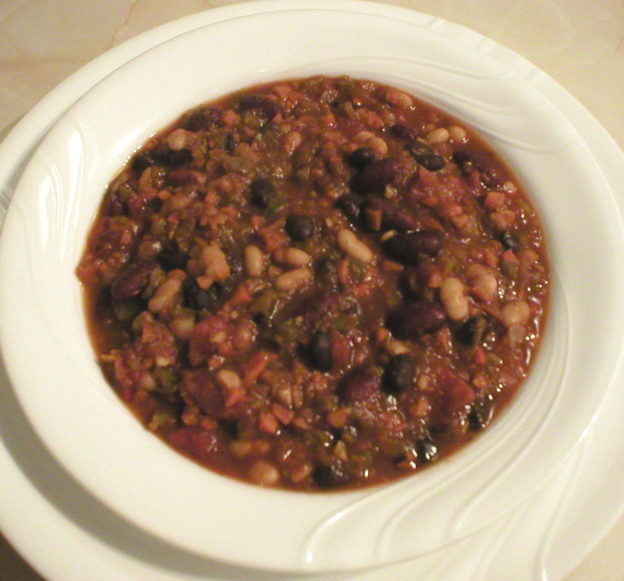
If you’re looking for an easy and delicious vegan bean chili recipe, you found it! It’s full of vegetables, and the variety of beans can be adjusted to your personal preferences. Add ingredients to a big pot with a lid, bring to a boil, then allow it to simmer for an hour, and supper is ready! Adorn it with any garnish you choose and it’s fit for company. There is a video demonstration below, followed by the written recipe.

Enjoy!
Judi


Vegetable Bean Chili
Makes About 7 Servings

1 medium onion, chopped
1 green bell pepper, chopped
2 medium carrots, chopped
2 stalks celery, chopped
4 cloves garlic

2 cups vegetable broth
1 to 1-1/2 Tbsp chili powder (to taste)
2 tsp ground cumin
1 tsp dried basil
½ tsp salt, or to taste
1 large (28 oz) can OR 2 (15 oz) cans diced tomatoes
3 cans beans of choice, rinsed and drained (i.e., black, kidney and/or pinto beans)
6 Tbsp tomato paste

2 tsp red wine vinegar (optional)

Optional garnishes:
Grated cheddar cheese, chopped cilantro, sliced avocado, tortilla chips, sour cream

Place the first five ingredients in a food processor and pulse until the vegetables are finely chopped.

Place all ingredients except the red wine vinegar in a large pot with a lid. Cover with a lid, and bring to a boil. Reduce heat to simmer and allow the vegetables to cook for about 1 hour, until the vegetables are soft and flavors are blended. Stir occasionally, and taste and adjust seasonings, if needed. When the chili is finished cooking, remove from heat and add the red wine vinegar. Stir to combine. Ladle into serving bowls and garnish, as desired.

Tip: If you want a smoother, more blended chili, remove some of the finished chili and blend it until smooth. Return it to the pot, stir, and serve. Or, if preferred, an immersion blender could be used to blend the chili in the pot to the desired texture you want.

About Judi

Julia W. Klee (Judi) began her journey enjoying “all things food” in elementary school when she started preparing meals for her family. That love of food blossomed into a quest to learn more and more about health and wellness as related to nutrition. She went on to earn a BS Degree in Food and Nutrition, then an MS Degree in Nutrition. She has taught nutrition and related courses at the college level to pre-nursing and exercise science students. Her hunger to learn didn’t stop upon graduation from college. She continues to research on a regular basis about nutrition as it relates to health. Her hope is to help as many people as possible to enjoy foods that promote health and wellness.