Category Archives: Gluten Free

Sorghum

Sorghum 101 – The Basics

Sorghum 101 – The Basics

About Sorghum
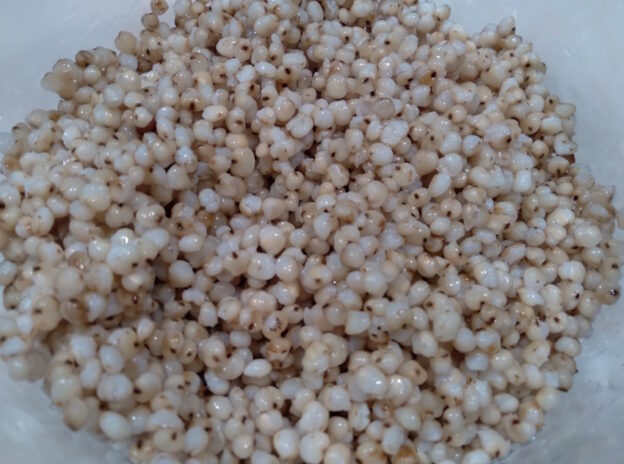
Sorghum is an ancient grain that is versatile and packed full of nutrients. It belongs to the grass family, Poaceae. Sorghum is small, round, and usually white or pale yellow, with some varieties being red/burgundy, brown, black, or yellow. It can be cooked like rice or quinoa, ground into flour, or popped like popcorn. Sorghum is one of the leading five cereal crops in the world, with the United States being the top producer.

The domestication of sorghum dates back to 8,000 BC in northeastern Africa. Over time it was carried throughout Africa and eventually around the world. The earliest record of sorghum in the United States comes from Ben Franklin in 1757 when he wrote about its application in making brooms.

In the United States and many other countries, sorghum is mostly used for livestock feed and other applications in the animal industry. It is also used for renewable fuel production in the making of ethanol. However, the grain is becoming increasingly popular in the consumer food industry. Its rich nutritional profile makes sorghum an inviting food for consumers and foodservice professionals to explore creative new ways to serve meals and snacks. Sorghum can be cooked on a stovetop, in a slow cooker, an oven, and even a rice cooker. It is becoming increasingly popular, in part, because it is non-GMO, gluten-free, and high in protein and other nutrients. It is also relatively inexpensive.


Nutrition and Health Benefits

When we say that sorghum is packed full of nutrients, it is no exaggeration. We often think of quinoa as being a nutritional powerhouse, but in all but one of the following nutrients (riboflavin), sorghum tops quinoa in its nutritional content.

Sorghum is an excellent source of protein, containing 20% or more of the Daily Value in one serving, fiber, phosphorus, zinc, thiamin, niacin, Vitamin B6, selenium, copper, iron, magnesium, and manganese. It is a good source of riboflavin, pantothenic acid, and potassium. It also contains some Vitamin E and folate. Overall, sorghum beats quinoa, corn, wheat, oats, and rice in its nutritional content. It is also very rich in antioxidants, providing many health benefits helping to protect us against chronic disease. If that’s not enough, sorghum is naturally gluten-free, so it’s an excellent choice for anyone suffering from celiac disease or non-celiac gluten sensitivity. That’s saying a lot for one food!

* Sorghum is gluten free. Many people are avoiding gluten for health reasons, such as celiac disease or non-celiac gluten sensitivity. The demand for gluten-free products is increasing. Sorghum can be a good alternative to gluten-containing grains since there are different varieties and they can be used in a number of ways. It can be popped like popcorn, ground into flour and used in baked goods such as breads, cookies, and other desserts, or used as a whole grain in soups, stews, casseroles, other main dishes, and many types of side dishes.

* Sorghum is rich in antioxidants. Whole grain sorghum has a wide array of phytonutrients that function as antioxidants in the body. They include varieties of tannins, phenolic acids, anthocyanins, phytosterols, and policosanols. The bran layer of sorghum has significantly more antioxidants than fruits like blueberries, strawberries, and plums. Antioxidants are known to help slow down the aging process and eating foods high in antioxidants has been linked to a lower risk of developing heart disease, cancer, Type 2 diabetes, and some neurological diseases. Furthermore, antioxidants in whole grains, like sorghum, have been shown to lower mortality rates from cardiovascular disease by reducing blood cholesterol and preventing arterial clotting.

* Sorghum is anti-inflammatory. Many diseases are promoted by chronic inflammation. The antioxidants in sorghum can help to combat cellular damage by reducing inflammation. In a review of 19 studies that appeared in the November 2016 issue of Nutrition Reviews, researchers confirmed that sorghum decreased markers of inflammation.

* Sorghum may improve blood sugar. In the same review of 19 studies (mentioned in the previous paragraph) that appeared in the November 2016 issue of Nutrition Reviews, researchers also found that sorghum improved blood glucose levels. It appears to play a significant role in supporting glucose homeostasis, which is extremely important in managing diabetes. This could be very helpful to those living with diabetes or prediabetes. Note that blood glucose responses to food will vary from person to person, based on how much carbohydrate is eaten at one time, and what other foods are eaten along with the carbohydrate foods within the same meal.

* Sorghum improves digestive health. Sorghum is an excellent source of dietary fiber. Having ample fiber in the diet is vital for proper digestive function. It keeps the contents of your GI tract moving forward, preventing constipation. It also helps to regulate blood sugar, lower cholesterol, and prevent diverticulitis, hemorrhoids, gallstones, and kidney stones.

* Sorghum Inhibits cancer. Some phytonutrients in sorghum have been shown to have cancer-inhibiting benefits, especially of gastrointestinal and skin cancers. Research studies have linked sorghum to reduced risk of esophageal cancer, whereas wheat and corn consumption have been linked with higher rates. Whole grains in general have been linked with reduced rates of other digestive tract cancers, especially colon cancer. Scientists are not sure if it is due to specific phytochemicals or the fiber in the grain. Sorghum is high in both components, so including sorghum in the diet helps to guard against such types of cancer.

* Sorghum may help with cholesterol management. In the September 2005 issue of The Journal of Nutrition, researchers tested the effect of sorghum lipids on the cholesterol levels of animals. Non-HDL cholesterol levels were lowered in all animals tested when given varying amounts of sorghum lipid extracts for four weeks. The level of HDL (the “good” cholesterol) was not affected. The researchers concluded that phytonutrient components of sorghum grain may work collectively in lowering plasma and liver cholesterol concentrations. They further stated that the data suggested that sorghum could be used to manage cholesterol levels in humans.


Types of Sorghum
There are numerous different types of sorghum, including white, burgundy (also referred to as red sorghum), brown (also referred to as sumac sorghum), and black sorghum. White sorghum is the most commonly found variety, followed by burgundy (or red sorghum), brown (or sumac), then black. There is also reference in the literature to waxy white, waxy burgundy, and yellow sorghum varieties, but they are not readily available on the retail market. All sorghum is naturally gluten-free so any type would be appropriate for anyone with celiac disease, gluten intolerance, or gluten sensitivity.

White Sorghum. This is readily available online, packaged in one pound or more increments. It may be sold ground as white sorghum flour that can be used in gluten-free baking, adding valuable protein and nutrients to your baked dish. It is also sold as a whole grain that can be cooked and enjoyed as you would any whole grain. White sorghum is high in resistant starch, which has been shown to help improve insulin sensitivity, lower blood sugar levels, reduce appetite, and aid digestion. Some grocery stores carry white sorghum, whole or ground into flour. If your grocery store does not carry sorghum, shop for it online.

Burgundy (or Red) Sorghum. Burgundy sorghum is usually referred to as red sorghum. Because of its rich color, it is very high in antioxidants. Burgundy or red sorghum has a similar nutrition profile as white sorghum, but with enhanced benefits from the additional antioxidants. Red sorghum has been used commercially in the production of fermented products and beer.

Brown (or Sumac) Sorghum. Like burgundy or red sorghum, brown (or sumac) sorghum is high in antioxidants and fiber. It is an excellent addition to any diet for its anti-inflammatory benefits, and is excellent in the making of pasta and porridge. Brown (or sumac) sorghum is a relative of the spice sumac, but they are not the same thing.

Black Sorghum. Black sorghum is high in antioxidants, protein, and fiber. It can be ground into flour and used to create artisan breads, cakes, cookies, and brownies with a dark color and high nutritional value. Black sorghum may also be sprouted, used in pilafs, soups, stews, and also enjoyed as a cereal. This type of sorghum is not suitable for popping, as the yield will be very low. Black sorghum is available on the retail market, but it is very hard to find.


How to Store Sorghum

Like other whole grains, sorghum should be stored in an airtight container in a cool, dry, dark place. It can be stored for up to a year in the freezer or about six months in the pantry. Once it is cooked, it should be stored in the refrigerator in an airtight container and used within one week.

If you have cooked more sorghum than you need at that time, it can easily be frozen for later. Simply put the cooked sorghum in a freezer container and place it in the freezer. It can be reheated on the stove, in the oven, or in the microwave. Adding a small amount of water to it when reheating will help to keep it from drying out and/or sticking to the pan when being reheated.

How to Prepare Sorghum
Since there are different forms of sorghum grain, it is important to follow the package directions, appropriate for what you have. In general, to prepare the whole grain, rinse them well first, and drain off the rinse water. Place one part of rinsed, raw sorghum grains in a pot with 4 parts of water, broth, or other liquid. Any flavorings, such as salt, may be added at this time. Bring the mixture to a boil, then reduce heat to medium-high. Cook uncovered for 50 to 60 minutes, until the grains are soft and chewy. Drain and serve.

To cook sorghum in a crock pot or slow cooker, first rinse and drain your whole grain sorghum. Then place 1 cup of rinsed sorghum and 4 cups of water or liquid of choice to your crockpot. Cover the pot and set it on high for 4-1/2 to 5 hours, until it is fully cooked. Drain off the excess liquid into a colander. Rinse the cooked grains, if needed, season as desired, and serve.

To cook whole grain sorghum in a pressure cooker, rinse and drain 1 cup of sorghum and place it in your cooker. Add 2 cups of water or stock. Set the cooker on high pressure for 20 minutes. Once the pressure cooker is finished, remove from heat and release the pressure before removing the lid. Drain the sorghum into a small colander. Rinse the sorghum and fluff it with a fork. Add your favorite seasonings or other ingredients, and serve, or add it to your recipe.


Quick Ideas and Tips for Using Sorghum
There are different forms of sorghum that can be used in different ways:

* Whole grain sorghum includes the whole grain with all three parts: the bran, the endosperm, and the germ. Whole grain sorghum can be boiled or steamed and enjoyed alone or added to salads, side dishes, soups, stews, pilafs, grain bowls, or main dish recipes.

* Pearled grain sorghum has had the bran and some of its germ removed. It is softer than the whole grain variety. Pearled sorghum goes well in soups.

* Popped or popping sorghum is smaller, sweeter, and more nutrient-dense than popcorn. It has fewer calories and less fat. It can be popped in the microwave or on the stove. It can also be purchased already popped.

* Flaked sorghum is also available. It is similar to other grains, like oats. Flaked sorghum is delicious as a cereal and in baked goods, like granola bars and cookies.

* If you’re new to using sorghum, it’s a chewy gluten-free grain that works well in grain bowls, salads, soups, stews, pilafs, side dishes, main dishes, and even baked goods. It can be cracked and used as a porridge or in a risotto-like dish. It can even be popped like popcorn.

* Sorghum syrup is a natural sweetener made from the stalks of sweet sorghum. It is similar to molasses, although it tastes sweeter. It is actually lower in total sugars than molasses, but higher in fructose, giving it a sweet flavor. Sorghum syrup can be used in baked goods and desserts. Typically it can be substituted for molasses on a 1:1 basis, but if you find sorghum syrup to be too sweet, reduce the amount of syrup while slightly increasing the amount of other liquid in your recipe.

* To help make sorghum easier to digest, it can be soaked for 8 hours or overnight before being cooked. Note that presoaking sorghum is not mandatory, but may be helpful for those with digestive issues. Discard the soaking water and boil it in three times more fresh water than sorghum for about an hour, or until tender, then drain off excess water. Soaked sorghum may also be cooked in a rice steamer or slow cooker.

* Whole grain sorghum can be popped like popcorn. Place ½ cup of whole grain popping sorghum into a small paper bag. Fold down the top of the bag and lay the bag flat in a microwave, with the fold facing down. Cook on high for 2 to 3 minutes (depending on the strength of your microwave), or until there are more than 10 seconds between pops. Remove the bag from the microwave and sprinkle lightly with salt or other toppings of choice. Enjoy!

* To pop sorghum on the stovetop, heat a stainless steel pot with a tight-fitting lid over medium heat. Add 2 teaspoons of oil, if desired. When the pan is hot, add ½ cup of whole grain popping sorghum and cover with the lid. Shake the pot often to prevent burning. When there are more than 10 seconds between pops, remove from the heat. Sprinkle lightly with salt or other seasonings of choice. Enjoy!

* For a delicious side dish, combine cooked sorghum with roasted vegetables of choice, and caramelized onions and mushrooms.

* Sorghum has a nice chewy texture and nutty flavor, so it makes an excellent addition to a grain bowl or salad.

* Sorghum is a very versatile grain that could be used in place of rice in just about any dish, whether it’s a main course, side dish, pilaf, soup, stew, or even dessert such as rice pudding. Since it does have a long cooking time, in some cases it may be best to precook the sorghum before incorporating it in a recipe.

* For an easy side dish with sorghum, cook sorghum grains until tender, then sauté them with aromatic vegetables like onions and garlic. Add in vegetables of choice, and finish with a little sprinkle of fresh herbs, such as parsley or cilantro. You’ll have a flavorful dish that should please most anyone.

* Try using sorghum instead of bulgur wheat when making tabbouleh for a gluten-free alternative.

* When baking with sorghum flour, it’s important to note that sorghum flour absorbs more liquid than does wheat flour. So, the liquid ingredients in a recipe may need to be adjusted. Also, since sorghum does not contain gluten, it cannot be substituted 100% for wheat flour in baked goods containing yeast. It should be used like other gluten-free flours, where a mixture of flours and a binder of some sort (such as xanthan gum or guar gum) will help improve the texture of the baked product.


Herbs and Spices That Go Well with Sorghum

Basil, bay leaf, cardamom, cayenne, chili flakes, chili powder, cilantro, cinnamon, cloves, coriander, cumin, curry powder, dill, fennel seeds, garlic powder, marjoram, mint, nutmeg, oregano, paprika, parsley, pepper (black), rosemary, saffron, salt, tarragon, thyme, turmeric

Foods That Go Well with Sorghum
Proteins, Legumes, Nuts, Seeds: Beans (in general), edamame, eggs, legumes (in general), lentils, meats, nuts (in general), peas, pine nuts, poultry, seafood, sesame seeds, tahini, tofu, walnuts

Vegetables: Bell peppers, broccoli, broccoli rabe, cabbage, carrots, chives, cucumbers, eggplant, fennel, garlic, ginger, kale, leafy greens (in general), mushrooms, onions, scallions, spinach, sprouts (i.e., bean, pea), squash (winter and summer), tomatoes, vegetables (in general)

Fruits: Avocadoes, coconut, dried fruit (in general), lemons, limes, oranges, pineapple, pumpkin, raisins

Grains and Grain Products: Other grains (in general)

Dairy and Non-Dairy Products: Cheese (i.e., feta, Parmesan), coconut milk, cream, milk, yogurt

Other Foods: Mirin, miso, oil (esp. olive, sesame), sea vegetables, soy sauce, stock, vanilla, vinegar (esp. rice)


Sorghum has been used in the following cuisines and dishes…

African cuisines, cereals (hot), Indian cuisine, khichuri, pilafs, popped sorghum, porridges (savory or sweet), salads (grain), soups


Suggested Food and Flavor Combos Using Sorghum

Try any of the following combinations…

Sorghum + Almonds + Cinnamon + Fruit + Maple Syrup + Vanilla
Sorghum + Black Beans + Garlic + Kale + Tahini
Sorghum + Butternut Squash + Garlic
Sorghum + Carrots + Leeks or Onions + Parsley [in a pilaf]
Sorghum + Cilantro + Garlic + Lime + Onions
Sorghum + Cinnamon + Raisins + Vanilla + Milk
Sorghum + Coconut + Raisins
Sorghum + Dates + Pecans
Sorghum + Dried Cherries + Pine Nuts
Sorghum + Feta Cheese + Mint
Sorghum + Fruit (of choice) + Nuts (of choice)
Sorghum + Ginger + Leeks + Peas
Sorghum + Kale + Scallions
Sorghum + Lentils + Spinach
Sorghum + Mushrooms + Spinach + Tofu
Sorghum + Sage + Root Vegetables
Sorghum + Sesame Seeds + Mushrooms + Tofu


Recipe Links

Garden Vegetable Stir-Fried Sorghum https://www.sorghumcheckoff.com/recipes/garden-vegetable-stir-fried-sorghum/

Southwest Sorghum Sliders https://www.sorghumcheckoff.com/recipes/southwest-sorghum-sliders/

Wondergrain Stir-Fry https://www.sorghumcheckoff.com/recipes/wondergrain-stir-fry/

Pearled Sorghum Cowboy Dip https://www.sorghumcheckoff.com/recipes/pearled-sorghum-cowboy-dip/

Tex-Mex Sorghum Chili https://www.sorghumcheckoff.com/recipes/tex-mex-sorghum-chili/

Stir-Fried Thai Sorghum Bowl https://www.sorghumcheckoff.com/recipes/stir-fried-thai-sorghum-bowl/

Green Goddess Buddha Bowl (Vegan, Gluten-Free) https://www.sorghumcheckoff.com/recipes/green-goddess-buddha-bowl-vegan-gluten-free/

Popped Sorghum Peanut Butter Balls https://www.sorghumcheckoff.com/recipes/popped-sorghum-peanut-butter-balls/

Moroccan Chickpea Sorghum Bowl https://www.sorghumcheckoff.com/recipes/moroccan-chickpea-sorghum-bowl/

Sorghum Fruit Pico De Gallo https://www.sorghumcheckoff.com/recipes/sorghum-fruit-pico-de-gallo/

Spring Tahini Sorghum Lentil Bowl https://www.sorghumcheckoff.com/recipes/spring-tahini-sorghum-lentil-bowl/

Sorghum Tabbouleh https://www.sorghumcheckoff.com/recipes/sorghum-tabbouleh/

Sorghum Grape Lentil Salad https://www.sorghumcheckoff.com/recipes/sorghum-grape-lentil-salad/

Zest Fest Salad with Lemon Lime Dressing https://www.sorghumcheckoff.com/recipes/zest-fest-salad-with-lemon-lime-dressing/

Cucumber Sorghum Salad https://naturallyella.com/cucumber-sorghum-salad/

Garlic Green Beans with Sorghum and Walnuts https://naturallyella.com/garlic-green-beans-with-sorghum-and-walnuts/

Roasted Carrot Multi-Grain Pilaf with Pepita Pesto https://naturallyella.com/roasted-carrot-multigrain-pilaf/

Sorghum Tabouli https://naturallyella.com/sorghum-tabouli/

Three Grain Pilaf with Roasted Asparagus https://naturallyella.com/grain-pilaf-with-asparagus/

15 Scrumptious Sorghum Recipes https://nutriciously.com/sorghum-recipes/

20 Tasty Sorghum Recipes You Need to Make Right Now https://www.eastewart.com/recipes-and-nutrition/ancient-grains-20-sorghum-recipes-youll-love/

25 Best Sorghum Recipes and Menu Ideas https://insanelygoodrecipes.com/sorghum-recipes/

Curried Sorghum Cakes with Carrots and Arugula https://zestfulkitchen.com/curried-sorghum-cakes-with-carrots-and-arugula-recipe/#tasty-recipes-4325-jump-target


Resources
https://www.sorghumcheckoff.com/sorghum-101/

https://www.jstage.jst.go.jp/article/ras/8/0/8_354/_html/-char/ja

https://nulifemarket.com/types-of-sorghum/

https://www.spiceography.com/sumac/

https://www.healthline.com/nutrition/sorghum

https://www.americansorghum.com/7-benefits-of-eating-sorghum/

https://www.sorghumcheckoff.com/wp-content/uploads/2016/06/Updated-Cooked-Whole-Grain-Sorghums-Nutrient-Profile-2.pdf

https://pubmed.ncbi.nlm.nih.gov/27694643/

https://www.verywellfit.com/sorghum-nutrition-facts-and-health-benefits-5093271

https://pubmed.ncbi.nlm.nih.gov/16140904/

https://wholegrainscouncil.org/whole-grains-101/whole-grains-101-orphan-pages-found/health-benefits-sorghum

https://www.sciencedirect.com/science/article/abs/pii/S003194220400144X?via%3Dihub

https://www.sciencedirect.com/science/article/pii/S2772753X23003222

https://www.healthline.com/nutrition/resistant-starch-101

https://naturenatesllc.com/products/organic-black-sorghum-diy-do-it-yourself-1-lb?variant=43958094201081

https://www.sciencedirect.com/science/article/abs/pii/S003194220400144X?via%3Dihub

https://www.sorghumcheckoff.com/recipes/popped-sorghum-microwave-recipe/

https://naturallyella.com/pantry/grains/sorghum/

https://www.savorysuitcase.com/how-to-use-sorghum-in-cooking/

Page, Karen. (2014) The Vegetarian Flavor Bible. New York, NY: Little, Brown and Company.

About Judi

Julia W. Klee (Judi) began her journey enjoying “all things food” in elementary school when she started preparing meals for her family. That love of food blossomed into a quest to learn more and more about health and wellness as related to nutrition. She went on to earn a BS Degree in Food and Nutrition, then an MS Degree in Nutrition. She has taught nutrition and related courses at the college level to pre-nursing and exercise science students. Her hunger to learn didn’t stop upon graduation from college. She continues to research on a regular basis about nutrition as it relates to health. Her hope is to help as many people as possible to enjoy foods that promote health and wellness.
Barley Grass Powder

Barley Grass 101 – The Basics

Barley Grass 101 – The Basics

Barley Grass Powder vs Barley Grass Juice Powder
Some popular smoothie recipes call for adding barley grass juice powder to the mixture. Yet, when we shop for this item, we may also see barley grass powder. This can lead to confusion and some people may accidentally buy the wrong item. So, what’s the difference?

Both items are made from barley grass, which is the leaves of the young barley plant that has not yet started to produce seeds. However, the two powders are not the same thing.

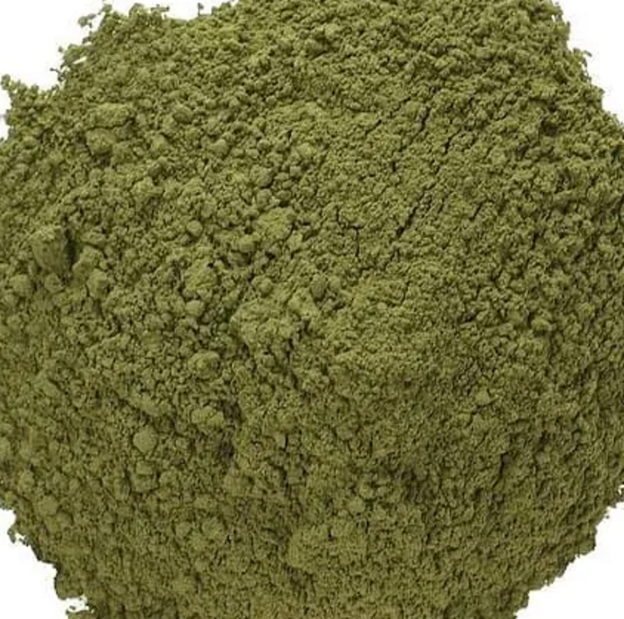
Barley grass powder is made from the leaves of the young barley plant that have been dehydrated then ground into a fine powder. The powder contains all of the components of the barley grass (except the water), including the nutrients, phytochemicals, and fiber. The powder is a medium green color, that is not as dark as barley grass juice powder. Barley grass powder can be added to foods and beverages, as desired. Barley grass has strong nutritional and medicinal properties and has been used in traditional Chinese medicine for over 1800 years. It is available in powder, capsule, or extract form.

Barley grass juice powder is also made from the leaves of the young barley plant. The leaves are first juiced, then the juice is dried at a low temperature to protect its nutrients. The result is a rich, dark green powder that contains concentrated nutrients that are found in barley grass. The juice powder does not contain the cellulose fiber, since it was removed in the pulp during the juicing process. Just like barley grass powder, barley grass juice powder may also be added to foods and beverages, as desired.

Does Barley Grass Contain Gluten?

While the seed of the plant (barley grain) does contain gluten, neither barley grass powder nor barley grass juice powder should contain gluten. As long as the grass (or leaves) were harvested when the plant was young, before seeds began to form, the grass should be gluten-free. Sometimes the leaves may be harvested late, after the seeds have started to form. In this case, there might be gluten in them. Also, some manufacturers do not have processing facilities that are dedicated to only gluten-free foods. In this case, there is the chance that there could be some gluten contamination (from other foods) in the powder. To be on the safe side, if you are sensitive to gluten, be sure to shop for barley grass products that are certified as being gluten-free.

Nutritional and Health Benefits

Young barley grass is said to be the most nutritious of all the green grasses. The array of nutrients found in barley grass powder and barley grass juice powder will be the same (except for the insoluble fiber which will not be found in barley grass juice powder), since they are derived from the same plant. However, the nutrients and phytochemicals will be much more concentrated and at a higher level in the barley grass juice powder than in the barley grass powder. Since the indigestible cellulose (insoluble fiber) has been removed in the barley grass juice powder, the nutrients will be easier to absorb in the digestive tract.

Barley grass (whether consumed fresh, powered, in capsules, or in juice powder) is rich in Vitamins A, C, E, K, and B-complex vitamins, as well as calcium, iron, magnesium, potassium, and phosphorus. It also contains high quality protein (with many different amino acids, including 8 essential amino acids) that the body can readily utilize. It also contains chlorophyll and an array of phytonutrients and antioxidants that make barley grass a highly nutritious food, no matter how it is consumed.

Heavy Metal and Toxin Remover. According to Anthony William, the Medical Medium, barley grass juice powder, draws out heavy metals, such as mercury, from the liver and other vital organs in the body. Barley grass juice powder is one of the key ingredients in his Heavy Metal Detox Smoothie, and it works in tandem with the other key ingredients of the smoothie to bind onto heavy metals and remove them from the body. Doing so can help to reduce the symptoms and effects of serious health conditions, such as memory and concentration issues, obsessive compulsive disorder (OCD), attention deficit hyperactivity disorder (ADHD), multiple sclerosis, Parkinson’s disease, skin issues such as eczema and psoriasis, anxiety, depression, and many others. Barley grass juice powder replaces the toxins it removes with vital nutrients. Furthermore, it blocks pathogens, such as the Epstein-Barr, shingles, and other viruses from feeding on their preferred foods, such as toxic heavy metals. This, in turn, means that any conditions caused by these pathogens can be helped by consuming barley grass juice powder (and Anthony William’s Heavy Metal Detox Smoothie) on a regular basis.

Digestive Health and Weight Management. Fresh barley grass and barley grass powder (not the juice powder) contain a lot of fiber—all the fiber found naturally in the plant. Fiber moves slowly through the digestive tract, making us feel full longer. This helps to reduce the appetite and curb cravings. These factors can help in weight management, helping us to avoid overeating or over-snacking when we really don’t need the extra food. In a study published in the June 2019 issue of the Journal of Ethnopharmacology, mice were fed a high-fat diet to induce obesity. Barley grass juice was then given to the mice for 60 days at the rate of 200 and 400 mg/kg of body weight. Various tests were administered to the mice at regular intervals and again at the end of the study. Researchers found that barley grass juice showed potent antioxidant activity, accompanied by a significant decrease in body weight and BMI, and improved lipid profiles and liver function markers. They concluded that barley grass juice can be an effective agent in the management of obesity.

Reduced Risk of Heart Disease and Improved Blood Cholesterol Levels. As mentioned in the above paragraph, blood lipid profiles have been shown to improve with regular intake of barley grass juice. It has also been shown to reduce blood pressure and inflammation in the body. All factors combined help to reduce the risk of heart disease and stroke.

Other Benefits. Barley grass contains a variety of important enzymes (fatty acid oxidase, cytochrome oxidase, peroxidase, catalase and transhydrogenase) that can help in the breakdown of fats in the body. Barley grass is also very high in chlorophyll, which helps deter harmful bacteria helping to prevent disease in the body. It also helps to balance the pH of the body, promoting good health and improved immunity. Barley grass juice powder has been shown to help increase energy, aid digestion, relieve constipation, and improve sleep and the health of skin, hair, and nails.

Barley grass juice powder has also been found to be helpful in healing arthritis, migraine headaches, asthma, fatigue, gastrointestinal issues, cancer, and diabetes. It also aids in the circulation of the lymphatic system. With all the health benefits of barley grass, it could be a valuable health tonic for everyone to include in their diet on a regular basis.

Ways to Include Barley Grass into Your Diet

* Grow your own barley grass and juice it on a regular basis.

* If you grow your own barley grass, the leaves can be added to a salad or any meal as a leafy green vegetable.

* Take barley grass capsules if juicing or consuming the powder are not good options for you.

* Add barley grass powder (or juice powder) to water, coconut water, juices, smoothies, or other beverages and drink it on a regular basis.

* Try adding barley grass powder (or juice powder) to pancakes, baked goods (such as quick breads), yogurt, and/or oatmeal. (See note below)

* Add it to a salad dressing.

* Mix it into soups. (See note below)

* Add it to hummus.

Note: To get the optimal benefit from your fresh barley grass, barley grass powder, or barley grass juice powder, use it in an unheated application. Heat treatment may reduce the nutrient content of this powerful food.

Summary

In summary, barley grass is an extremely nutritious, health-promoting food. If you want to improve or guard your health, including it in your diet on a regular basis may prove to be a valuable endeavor over time. If you have a serious health issue, it may be wise to consult with your personal healthcare provider before embarking on something new, just to be cautious. Otherwise, feel free to enjoy it any way you can work it into your day. Your body will thank you!

Resources

https://www.webmd.com/diet/health-benefits-barley-grass

https://mountainroseherbs.com/barley-grass-powder

https://www.healthygoods.com/live-superfoods-barley-grass-juice-powder.html

https://www.beyondceliac.org/gluten-free-diet/is-it-gluten-free/barley/

https://www.craftbeering.com/barley-grass-juice-powder-health-benefits/

https://vimergy.com/products/barleygrass-juice?utm_source=google&utm_medium=cpc&utm_campaign=17695514078&utm_term=&utm_content=609133290932&gclid=Cj0KCQjwy5maBhDdARIsAMxrkw3FcHjg9VsKFqkiWPgTAWFwk-YbY8eDEE7J3DmTm9E1wFRQZTDx148aArxvEALw_wcB&gclsrc=aw.ds

https://www.nutritionvalue.org/Barley_grass_juice_powder%2C_barley_by_HEALTH_MATTERS_AMERICA_INC._1064117_nutritional_value.html

https://www.medicalmedium.com/blog/barley-grass-juice-powder-heavy-metal-and-toxin-remover

https://www.medicalmedium.com/blog/barley-grass-shake

https://www.medicalmedium.com/blog/barleygrass

https://pubmed.ncbi.nlm.nih.gov/30951844/

https://teaveli.com/blogs/get-inspired/barley-grass-juice-powder-vs-barley-grass-powder

https://www.drugs.com/npp/barley-grass.html

https://www.ncbi.nlm.nih.gov/pmc/articles/PMC5904770/

https://www.verywellfit.com/barley-grass-88679

https://elissagoodman.com/recipes/5-easy-ways-to-add-barley-grass-juice-powder-into-your-diet/

https://yurielkaim.com/11-barley-grass-benefits/

About Judi

Julia W. Klee (Judi) began her journey enjoying “all things food” in elementary school when she started preparing meals for her family. That love of food blossomed into a quest to learn more and more about health and wellness as related to nutrition. She went on to earn a BS Degree in Food and Nutrition, then an MS Degree in Nutrition. She has taught nutrition and related courses at the college level to pre-nursing and exercise science students. Her hunger to learn didn’t stop upon graduation from college. She continues to research on a regular basis about nutrition as it relates to health. Her hope is to help as many people as possible to enjoy foods that promote health and wellness.
Buckwheat

Buckwheat 101 – The Basics


Buckwheat 101 – The Basics

About Buckwheat
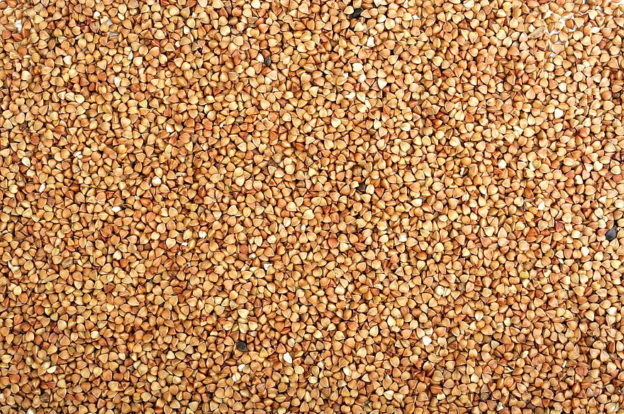
Buckwheat is a gluten-free seed with a toasty, nutty flavor, and a soft, chewy texture. We treat buckwheat as a cereal grain because of how we use it in foods, but it’s the seed of a fruit related to rhubarb and sorrel. Buckwheat kernels are about the size of wheat berries, but with a triangular shape. The outer, inedible hull is first removed, then the kernel is roasted or left unroasted. The roasted kernels are sold as kasha, which is used to make a traditional European dish. It has an earthy, nutty flavor. Unroasted buckwheat has a soft texture, and more subtle flavor than its roasted counterpart. The unroasted hulled buckwheat kernels are the “groats.”

Buckwheat is also sold ground into flour and is available in light and dark varieties. Light buckwheat flour is made from hulled buckwheat, whereas the dark flour is made from unhulled buckwheat. The darker variety has a greater nutritional value.

Buckwheat does not contain gluten, so it is a good alternative flour for baking and a grain-like food for those who must avoid eating gluten.  Buckwheat flour is often mixed with wheat flour in making buckwheat pancakes.

Buckwheat is native to Northern Europe and Asia. It has been cultivated in China since the 10th century. From there, buckwheat was introduced elsewhere including Russia, Europe, and North America. Today buckwheat has an important role in Russian and Polish cuisines.

Nutrition and Health Benefits
Buckwheat is high in manganese, copper, magnesium, fiber, and phosphorus. The protein in buckwheat is of high quality since it contains all the essential amino acids. Buckwheat also contains two flavonoids, rutin and quercetin, that have significant health-promoting properties.

Rutin. Buckwheat is particularly high in rutin, a plant pigment (flavonoid). Researchers have found that rutin is a valuable antioxidant, protecting cells, blood vessels, nerves, and the cardiovascular system. It may even have anticancer properties.

Quercetin: Quercetin is a plant pigment (flavonoid) found in many foods. It’s the most abundant flavonoid in food. Buckwheat is especially high in quercetin. It has antioxidant and anti-inflammatory properties that may help to reduce inflammation, kill cancer cells, control blood sugar, and help prevent heart disease.

How to Select Buckwheat
If you buy buckwheat from bulk bins, be sure there is a fast turnover of inventory, so you know your food is still fresh. Make sure there is no evidence of moisture or insects.

Buckwheat groats (hulled kernels) may also be bought prepackaged in some grocery stores and online. Sprouted groats may also be purchased. Monitor the expiration date on the package to be sure you use your buckwheat before it gets too old.

Buckwheat flour can be found in “light” and “dark” varieties. Light buckwheat flour is made from hulled buckwheat, whereas dark buckwheat flour is made from the whole buckwheat kernel. It will have dark specks throughout the flour, which is the ground up hull.

How to Store Buckwheat
Place your buckwheat groats in an airtight container, and store it in a cool, dry place. Store the groats in the refrigerator if your house is warm during the summer months. Whole buckwheat should keep for up to one year.

Store buckwheat flour in the refrigerator, where it should stay fresh for several months. Buckwheat flour may also be stored in the freezer, where it should stay fresh for up to a year. If you notice an “off” odor in the flour, it has gone rancid and should be discarded.

How to Prepare Buckwheat
To cook buckwheat groats, first rinse and drain the buckwheat kernels. Place the groats in a pot (with a lid) with 1 part of groats to 2 parts of water and cover the pot. Bring it to a boil, then lower the heat to medium-low, and simmer for about 15 minutes, or until they are tender. If there is water left in the pot, simply drain it off. Some brands of buckwheat groats cook faster than others, so it’s best to follow the directions on the package and adjust the cooking time from there to cook them until they are as tender as you want.

Quick Ideas and Tips for Using Buckwheat
* Cook buckwheat groats in advance and store them in the refrigerator to save time later. They can be used for salads, buckwheat/veggie “bowls,” side dishes, added to casseroles, soups, stews, or whatever main dish or side dish you want.

* Follow the package directions when cooking buckwheat. Different brands tend to cook at different rates of time, so let the directions be your guide. Cook them for longer or shorter time depending on your personal preferences.

* The flavor of buckwheat is naturally toasty and nutty. It intensifies when the groats are toasted, so be aware of this when toasting them for the first time. It may be best to toast just a small amount to be sure you like them that way.

* Soba noodles are popular in Japan. They are made from buckwheat flour, and sometimes with added wheat flour. If you are sensitive to gluten, read the label carefully before buying soba noodles to be sure they don’t have added wheat flour. If they do, they will contain gluten.

* In the United States, the term “kasha” refers to toasted buckwheat groats. If you’re looking for raw buckwheat, read the label and select buckwheat that is not labeled as kasha. Also, raw buckwheat will be lighter in color being light brown or even green, whereas roasted buckwheat will be darker with a reddish-brown tint. Also, raw buckwheat won’t have much aroma, whereas roasted buckwheat groats will have a strong nutty, toasted aroma and flavor.

* To toast your own raw buckwheat groats, place a small amount at a time into a large, dry skillet over medium-high heat. Do not add fat or oil. Stir the groats constantly for 4 or 5 minutes, until toasted as much as you want. The toasted groats should then be cooked according to package directions.

Herbs and Spices That Go Well with Buckwheat
Basil, bay leaf, cardamom, cinnamon, herbs (in general), parsley, pepper, sage, salt, thyme

Foods That Go Well with Buckwheat
Proteins, Legumes, Nuts, Seeds: Almonds, almond butter, beans (esp. black), beef, Brazil nuts, cashews, chickpeas, eggs, egg whites, flax seeds, pine nuts, pork, sesame seeds, sesame sauce, tofu, walnuts

Vegetables: Asparagus, bell peppers, cabbage, carrots, celery, chard (Swiss), chives, garlic, ginger, kohlrabi, leeks, mushrooms, onions, potatoes, scallions, spinach, squash, tomatoes, root vegetables (in general)

Fruits: Apples, apple cider or juice, bananas, berries, dates, fruit (dried), lemon, pears, quinces

Grains and Grain Products: Corn, cracked wheat, millet, pasta, polenta, rice

Dairy and Non-Dairy Products: Butter, cheese, ice cream, sour cream, yogurt

Other Foods: Honey, maple syrup, oil (esp. olive), soy sauce, stock (esp. mushroom, vegetable), vanilla

Buckwheat has been used in the following cuisines and dishes…
Casseroles, cereals (hot, breakfast), crepes, Eastern European cuisine, Northern French cuisine, ice cream, kasha, meat loaf (made with grains, nuts, and/or vegetables), noodles (i.e. soba), pancakes, pasta dishes, pilafs, polentas, Polish cuisine, porridges, Russian cuisine, salads, soups (i.e. black bean, potato), stuffed vegetables (i.e. cabbage, mushrooms, winter squash), stuffings, veggie burgers

Suggested Flavor Combos Using Buckwheat
Add buckwheat to any of the following combinations…

Apples + maple syrup
Bananas + walnuts
Basil + mushrooms + tomatoes
Blueberries + cinnamon + ginger + vanilla
Carrots + mushrooms
Eggs + garlic + thyme
Feta cheese + parsley
Garlic + mushrooms + onions
Garlic + parsley + soy sauce
Lemon + olive oil + parsley + scallions
Mushrooms + scallions + sesame oil
Potatoes + thyme

Recipe Links
Cooking Buckwheat https://www.recipetips.com/kitchen-tips/t–1365/cooking-buckwheat.asp

17 Buckwheat Recipes That’ll Make You a Believer https://www.bonappetit.com/recipes/slideshow/buckwheat-recipes

11 Yummy Ways to Eat Buckwheat Groats https://yurielkaim.com/buckwheat-groats/

19 Recipes that Prove Buckwheat is the “Best” Alternative Grain https://www.brit.co/living/healthy-eating/buckwheat-recipes/

Cashew Buckwheat Curry with Garlic Kale https://fullofplants.com/cashew-buckwheat-curry-with-garlic-kale/#tasty-recipes-6580

Vegan Buckwheat Bowls with Kale and Chickpeas https://www.babaganosh.org/vegan-buckwheat-kale-chickpeas-sweet-potato/

5-Ingredient Buckwheat Crepes https://minimalistbaker.com/5-ingredient-buckwheat-crepes/#wprm-recipe-container-34224

Buckwheat Salad https://www.happyfoodstube.com/buckwheat-salad/

Buckwheat with Mushrooms and Asparagus https://cookinglsl.com/buckwheat-with-mushrooms-and-asparagus/

Jewish Kasha Varnishkes (Bowtie Pasta with Buckwheat Groats) https://www.thespruceeats.com/jewish-kasha-varnishkes-bowtie-pasta-recipe-1137435

How to Sprout Buckwheat https://www.culturesforhealth.com/learn/sprouting/how-to-sprout-buckwheat/


Resources
https://whatscookingamerica.net/CharlotteBradley/BuckwheatFlour.htm

http://whfoods.org/genpage.php?tname=foodspice&dbid=11#descr

https://www.webmd.com/vitamins/ai/ingredientmono-294/quercetin

https://www.healthline.com/nutrition/quercetin

https://www.ncbi.nlm.nih.gov/pmc/articles/PMC5355559/

https://whatscookingamerica.net/CharlotteBradley/BuckwheatFlour.htm

https://www.happyfoodstube.com/buckwheat-salad/

https://www.thespruceeats.com/what-is-buckwheat-3376802

https://www.recipetips.com/kitchen-tips/t–1365/cooking-buckwheat.asp

https://food.ndtv.com/food-drinks/cooking-tips-101-how-to-use-buckwheat-flour-to-create-stellar-dishes-1232915

https://whatscookingamerica.net/CharlotteBradley/BuckwheatFlour.htm

https://www.thekitchn.com/a-complete-guide-to-storing-your-flour-204729

Page, Karen. (2014) The Vegetarian Flavor Bible. New York, NY: Little, Brown and Company.


About Judi

Julia W. Klee (Judi) began her journey enjoying “all things food” in elementary school when she started preparing meals for her family. That love of food blossomed into a quest to learn more and more about health and wellness as related to nutrition. She went on to earn a BS Degree in Food and Nutrition, then an MS Degree in Nutrition. She has taught nutrition and related courses at the college level to pre-nursing and exercise science students. Her hunger to learn didn’t stop upon graduation from college. She continues to research on a regular basis about nutrition as it relates to health. Her hope is to help as many people as possible to enjoy foods that promote health and wellness.
Easier Chickpea Salad

Easier Chickpea Salad (Mock Tuna)

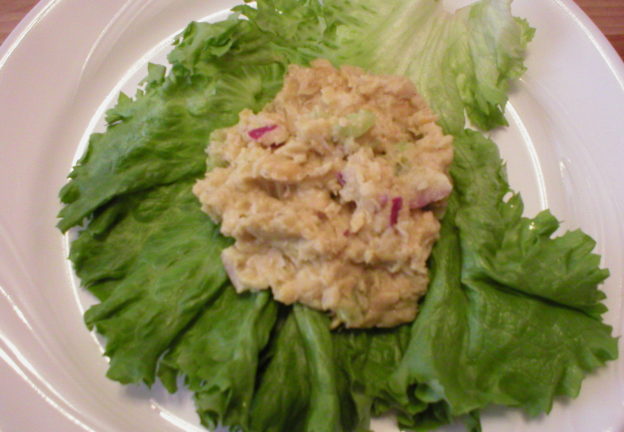
If you’re looking for a very simple chickpea salad (mock tuna) recipe that’s fast and easy to put together, you found it! This skips using any prepared mayonnaise, has no added oil, and is vegan. Below is a video demonstration of how to make the salad. The written recipe follows the video link.

Enjoy!
Judi

Easier Chickpea Salad (Mock Tuna)
Makes 1 or 2 Servings

½ cup cooked (or canned, drained) chickpeas
2 Tbsp to ¼ cup diced celery
2 Tbsp diced onion of choice
¼ avocado, diced
1-1/2 to 2 tsp white wine vinegar
1-1/2 to 2 tsp prepared Dijon mustard
Dash of black pepper, or to taste

Place all ingredients in a small food processor and pulse until coarsely chopped and somewhat creamy. Enjoy!

This is excellent by itself, served on a bed of salad greens, used as a sandwich filling, wrapped in a tortilla, or wrapped in large leaves of greens such as kale, collards, cabbage or lettuce leaves. Use this salad any way you would enjoy a tuna or chicken salad.

2 to 4 Servings…
1 cup cooked (or canned, drained) chickpeas
¼ to ½ cup diced celery
¼ cup diced onion of choice
½ avocado, diced
1 Tbsp (+1 tsp if more tang is desired) white wine vinegar
1 Tbsp (+1 tsp if more tang is desired) prepared Dijon mustard
Black pepper to taste

Chickpea Salad

Chickpea Salad (Mock Tuna) (Vegan, No Added Oil)

Here’s a simple salad made with chickpeas, vegan mayonnaise and sweet mustard dressing for a little tang. It can be served with a green salad, on a sandwich, in pita bread, as a dip with tortilla chips, on its own, or in any way you might include something like a tuna salad with your meal. It’s good no matter how you enjoy it! Below are video links showing how to make all the components, and the written recipes follow the videos. If you need a short cut, simply use your favorite mayonnaise and mustard dressing that you have on-hand.

Enjoy!
Judi

Sweet Mustard Dressing

Vegan Mayonnaise

Chickpea Salad

Chickpea Salad (Mock Tuna)
Makes 4 to 6 Servings

1 (15.5 oz) can chickpeas, drained and rinsed OR 1-3/4 cups cooked chickpeas
½ cup sweet mustard dressing, of choice*
1/3 cup mayonnaise, of choice**
1/3 cup diced celery, more or less as desired
2 Tbsp small diced onion of choice, more or less as desired
Black pepper to taste

Place chickpeas in a food processor and pulse very briefly to coarsely chop them up. Transfer the chopped chickpeas to a mixing bowl. Add the remaining ingredients and stir to combine.

Chef’s Note: This salad is delicious on a bed of salad greens, used as sandwich filling, wrapped in a tortilla or pita bread, or served with tortilla chips as a dip. It may be used any way you would use a tuna salad.

* For an oil-free sweet mustard dressing, try my Sweet Mustard Dressing (recipe below).
** For a vegan mayonnaise option, try my Vegan Mayonnaise (recipe below).

Sweet Mustard Dressing (Oil-Free, Vegan Option) Makes About 3 Cups
1 cup of cooked or canned (and drained) white beans of choice
1 avocado, diced
½ cup water
¼ cup apple cider vinegar
½ cup Dijon mustard
¼ cup maple syrup or honey

Place all ingredients in a blender or food processor. Process until smooth. Enjoy! Store extra in a covered container in the refrigerator and use within 4 days.

Vegan Mayonnaise (White Bean and Avocado Mayo) Makes About 2 Cups
1 (15 oz) can of white beans of choice OR 1-3/4 cups cooked white beans of choice
1 Tbsp Dijon mustard
1 Avocado, diced
1 Tbsp lemon juice
1 Tbsp white wine vinegar
2 Tbsp water or aquafaba (reserved bean juice from the can)

Rinse and drain the canned beans, reserving the liquid from the can, if opting to use it. Place all ingredients in a blender and process until smooth. Use as you would any mayonnaise. Store in a covered container in the refrigerator and use within 5 days.

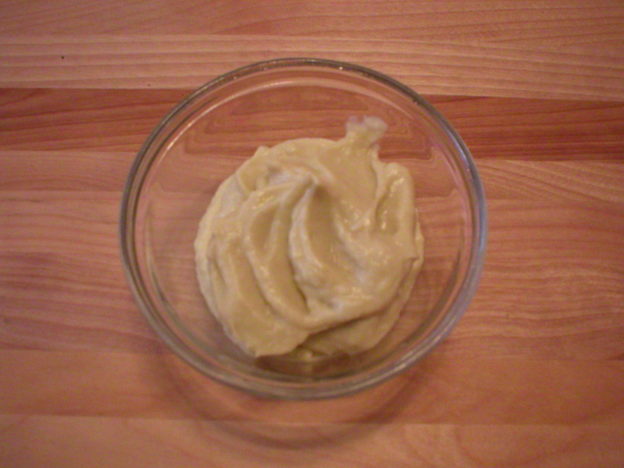
Cook’s Note: Since this is made with avocado, it will have a pale green tint, which is unlike traditional mayonnaise. However, the flavor is very similar to that of traditional mayonnaise.

Vegan Mayonnaise

Vegan Mayonnaise (Oil Free)

Here’s a great substitute for traditional mayonnaise, if you’re looking for something that’s vegan and free of added oils. It’s easy to make and blends up quickly. Below is a video demonstration of how to make the mayo. The written recipe is below.

Enjoy!
Judi

Vegan Mayonnaise
(White Bean and Avocado Mayo)
Makes About 2 Cups

1 (15 oz) can of white beans of choice OR 1-3/4 cups cooked white beans of choice
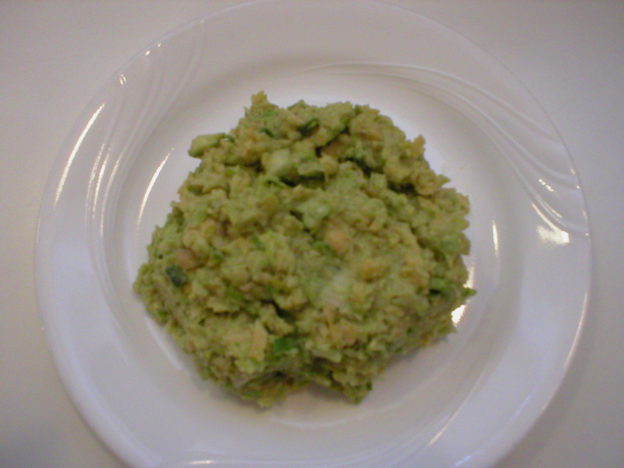
1 Tbsp Dijon mustard
1 Avocado, diced
1 Tbsp lemon juice
1 Tbsp white wine vinegar
2 Tbsp water or aquafaba (reserved bean juice from the can)

One-Half of the Recipe (Makes about 1 cup)
1/2 (15 oz) can of white beans of choice OR ½ cup + 3/8 cup cooked white beans of choice
1/2 Tbsp Dijon mustard
1/2 Avocado, diced
1/2 Tbsp lemon juice
1/2 Tbsp white wine vinegar
1 Tbsp water or aquafaba (reserved bean juice from the can)

One-Fourth of the Recipe (Makes about ½ cup)
1/4 (15 oz) can of white beans of choice OR Scant ½ cup cooked white beans of choice
¾ tsp Dijon mustard
¼ Avocado, diced
¾ tsp lemon juice
¾ tsp white wine vinegar
½ Tbsp water or aquafaba (reserved bean juice from the can)

Rinse and drain the canned beans, reserving the liquid from the can, if opting to use it. Place all ingredients in a blender and process until smooth. Use as you would any mayonnaise. Store in a covered container in the refrigerator and use within 5 days.

Cook’s Note: Since this is made with avocado, it will have a pale green tint, which is unlike traditional mayonnaise. However, the flavor is very similar to that of traditional mayonnaise.

Black-Eyed Pea Dip

Black-Eyed Pea Dip

Here’s an easy and healthful dip made with black-eyed peas. It’s vegan, SOS-free, healthful, easy to make, and delicious. It works well with vegetable sticks, chips, pita bread, with a salad, and can even be used as a sandwich spread. Try it sometime!

Below is a video demonstration of how to make the dip. The written recipe is below the video.

Enjoy!
Judi

Black-Eyed Pea Dip
Makes about 2-1/2 Cups

2 cups cooked black-eyed peas (or 1 (15-oz) can of black-eyed peas, rinsed and drained)
1/2 avocado, diced
1/4 tsp garlic powder (or 2 small cloves garlic, chopped)
1/3 cup chopped onion, or ½ tsp onion powder
1 stalk celery, chopped
1/3 cup chopped bell pepper
½ tsp dried dill weed
3 Tbsp apple cider vinegar or lemon juice

Add all ingredients to a blender or food processor and process until smooth. Taste and adjust seasonings, if needed. Serve with vegetables, crackers, pita bread, and chips, or use as a condiment on wraps and sandwiches. Store leftover in a covered container in the refrigerator and use within 3 days.

Sweet Potato Oat Bites

Sweet Potato Oat Bites

If you want to make a simple, easy to make treat that’s healthful and not too sweet, here it is! These little “bites” are a cake-like/cookie-like treat that will help to satisfy that sweet tooth in a gentle yet healthful way. Give them a try!

Below is a video demonstration of how to make the little bites. The written recipe is below the video.

Enjoy!
Judi

Sweet Potato-Oat Bites
Makes About 14 Small “Bites”

These are soft cake-like, cookie/like treats that are really easy to make. Stir in the add-in of your choice for unlimited variations. The recipe can easily be adjusted to make as many as you need. Enjoy! jk

1 cup oats (any kind)
1/2 tsp baking powder
1 tsp ground cinnamon
½ cup mashed cooked sweet potato
1 to 2 Tbsp maple syrup or apple butter, to taste
1 or 2 Tbsp milk of choice, or more if needed
¼ cup “add-in” of choice

Place oats in a food processor and pulse until the oats are medium ground (with some oat flour, but some oat pieces are fine). Add remaining ingredients (using 1 tablespoon of milk at a time) and pulse until well mixed, and holds together when pressed…not too wet and not too dry. If too wet, add a small amount of oats and process more. If too dry, add more milk, one tablespoon at a time until the mixture is moist and holds together. Stir in your “add-in” ingredients.

Scoop by rounded teaspoonful onto a silicone mat or parchment paper lined baking sheet. Bake at 375F for 18 to 20 minutes, until set and lightly browned. Remove from oven and allow to cool. Store in a covered container in the refrigerator.

Possible add-in ingredients (use any combination or single ingredient of choice):

Chopped dried fruit of choice, such as cherries, cranberries, figs, apples, raisins, apricots, etc.
Chocolate chips
White baking chips
Cinnamon chips
Nut of choice such as pecans, walnuts, almonds, sunflower seeds, pepitas, sesame seeds, cashews, Brazil nuts, etc.

About Judi
Julia W. Klee (Judi) began her journey enjoying “all things food” in elementary school when she started preparing meals for her family. That love of food blossomed into a quest to learn more and more about health and wellness as related to nutrition. She went on to earn a BS Degree in Food and Nutrition, then an MS Degree in Nutrition. She has taught nutrition and related courses at the college level to pre-nursing and exercise science students. Her hunger to learn didn’t stop upon graduation from college. She continues to research on a regular basis about nutrition as it relates to health. Her hope is to help as many people as possible to enjoy foods that promote health and wellness.
Quinoa

Quinoa 101 – The Basics

Do you enjoy quinoa, but are looking for some new ideas on how to flavor it, or what to do with it? I have answers! Below is a comprehensive article all about quinoa, from what it is and its health benefits, to how to select, store and prepare it, as well as serving ideas and tips, along with what goes well with quinoa. I even have some suggested recipe links to help you in your quest to find that perfect quinoa dish!

Enjoy!
Judi

Quinoa 101 – The Basics

About Quinoa
Quinoa (pronounced KEEN-wah) is typically used as a grain, but it is actually a seed in the same family as beets, chard, and spinach. It is not a member of the grass family of plants, as are grains. Quinoa has been enjoyed as a staple food for thousands of years beginning in South America, where it was called “the gold of the Incas.” Still today, Peru, Bolivia, and Ecuador remain the world’s top producers of this healthful seed.

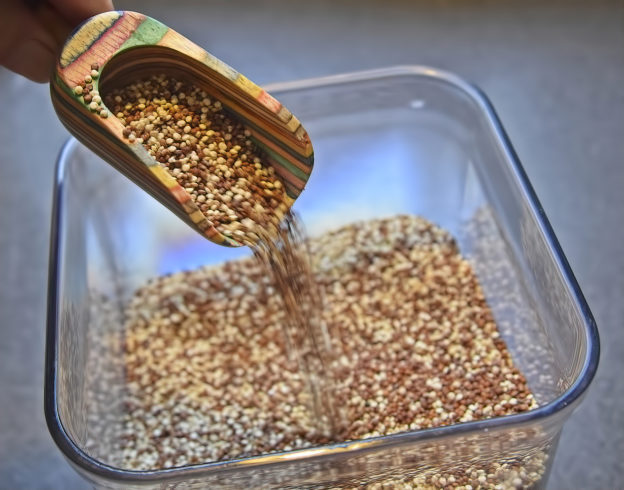
There are different varieties of quinoa, usually denoted by their color. We see white or ivory quinoa most often in American grocery stores. But it can also be found in various shades of yellow, red and black. The white or ivory variety has the mildest flavor and cooks the fastest. The flavor of red and black quinoa is described as stronger and more earthy. Nevertheless, all varieties of quinoa have a nut-like flavor. Quinoa is naturally gluten-free is rated as being low in allergenic properties.

Nutrition and Health Benefits of Quinoa
For its size, this tiny seed offers a lot of nutrients. It supplies a lot of manganese, phosphorus, copper, magnesium, folate, fiber (both soluble and insoluble), and zinc. It also has small amounts of omega-3 fatty acids, and more monounsaturated fats than cereal grains. A three-fourth cup serving has 222 calories and 8 grams of high-quality protein (16% Daily Value). Its high fiber and protein content work together to qualify quinoa as a low-glycemic index food.

Furthermore, quinoa is also high in anti-inflammatory phytonutrients, giving this seed even more healthful benefits in the prevention and treatment of disease.

How to Select Quinoa
When buying quinoa, be sure there are no rips in the bag or box. Also look for signs of moisture or insects and avoid any such packages.

How to Store Quinoa
Quinoa will last for several months when kept in an airtight container in a cool, dry place. If kept in the refrigerator or freezer, uncooked quinoa will keep for 2 to 3 years. Cooked quinoa will keep well in the freezer for up to a year.

Once quinoa is cooked, store leftovers in an airtight container in the refrigerator. Use leftovers within a few days. If you won’t be able to eat it that quickly, place your container in the freezer.

How to Prepare Quinoa
Quinoa seed is covered with saponin, a type of phytonutrient that is actually a protective coating developed by the plant. Although it may have some positive health properties, saponin has a soap-like flavor. Most quinoa on the market has already been rinsed at the processing plant to remove some of this coating. However, because of this objectionable taste, most people opt to further rinse their quinoa well before cooking. To remove any remaining saponin, place quinoa in a fine mesh strainer and rinse it very well with fresh water as you gently rub the seeds. Drain well.

To cook quinoa, place 1 part seeds to 1-1/2 to 2 parts water in a saucepan. (Use the lesser amount of water if you want your quinoa to be less mushy.) Bring it to a boil, reduce the heat, and cover the pan. It usually takes about 15 minutes to cook. When done, the seeds will become somewhat translucent and the germ will partially release, forming a little white spiraled tail around the seed. Fluff the cooked seed with a fork before serving.

For a nuttier flavor, dry roast your quinoa first. Place the seeds in a dry skillet over medium-low heat. Stir constantly for 5 minutes, then cook as directed. Some people will add oil to the frying pan to add extra flavor and texture to their quinoa before cooking it.

Quick Ideas and Tips for Using Quinoa
* Serve cooked quinoa as a breakfast porridge by adding nuts, fruits, and milk of choice. Sweeten as desired.

* Use quinoa in place of pasta with your favorite pasta or noodle recipe.

* Add quinoa to vegetable soup.

* Add a little ground quinoa flour to cookie or muffin recipes for a protein boost.

* If you enjoy tabbouleh, but must eat gluten-free, substitute cooked quinoa for the bulgur wheat in your favorite recipe.

* To flavor your quinoa, add some herbs or spices to the pot when cooking it. Try a bay leaf, garlic, salt and pepper, or other seasonings of your choice. Some people add thyme to quinoa while it is cooking.

* Try cooking quinoa in broth of your choice rather than plain water. This will add flavor to your cooked quinoa and may add a lot of flavor to the dish you’ll be using it in.

* Add a little flavored oil to your quinoa as it starts to cook. Sesame oil, walnut oil, or coconut oil would all add distinct flavors to your cooked quinoa.

* Top quinoa with your favorite sauce. Alfredo, marinara, pesto, or cheese sauce are some options. Use your imagination!

* Try adding tomato, avocado and lime for a Southwest flavored quinoa.

* Make an interesting succotash by combining quinoa with summer squash, bell peppers, and corn.

* Quinoa soaks up and retains a lot of water. Drain off any extra water after it has cooked to prevent it from becoming soggy.

* Add quinoa to burger patties, whether they are meat or meatless.

* Add quinoa to chili while it’s cooking.

* “Warm up” your cooked quinoa by adding some cilantro and roasted poblano peppers for some heat. Add this to veggies for a quinoa bowl.

* Make quinoa into a pudding by cooking it slowly in the milk of your choice. Add sweetener and fruit, as desired.

Herbs/Spices That Go Well with Quinoa
Basil, cilantro, cumin, garlic, mint, oregano, parsley, salt

Foods That Go Well with Quinoa
Proteins, Legumes, Nuts, Seeds: Almonds, beans (in general), beef, chicken, eggs, nuts (in general), shrimp, turkey

Vegetables: Arugula, beets, bell peppers, carrots, celery, chard, chiles, chives, cucumbers, endive, greens (i.e. beet, collard), kale, mushrooms, onions, scallions, spinach, squash (winter), tomatoes, zucchini

Fruits: Avocados, citrus fruits, dried fruit, pineapple, pomegranate seeds

Grains and Grain Products: Corn, grains (in general, esp. those with mild flavors)

Dairy and Non-Dairy: Almond milk, cheese (esp. feta), yogurt

Other Foods: Oil (esp. olive), stock (i.e. mushroom, vegetable), vinegar

Quinoa has been used in the following cuisines and dishes…
Baked goods (i.e. breads, muffins), cereals (hot breakfast), Mexican cuisine, pilafs, salads (grain, green), soups, South American cuisines, stews, stuffed vegetables, stuffings, sushi, tabbouleh, veggie burgers

Suggested Flavor Combos Using Quinoa
Add quinoa to any of the following combinations…

Almond milk + cinnamon + nuts
Bell peppers + carrots + parsley + rice vinegar + sesame oil/seeds
Black beans + cumin
Black beans + mango
Cashews + pineapple
Cucumbers + feta cheese + parsley + tomatoes
Cucumbers + lemon + mint + parsley
Dill + lemon juice + zucchini

Recipe Links

Kale Salad with Meyer Lemon Vinaigrette https://damndelicious.net/2013/03/25/kale-salad-with-meyer-lemon-vinaigrette/

Quinoa Stuffed Bell Peppers https://damndelicious.net/2013/06/03/quinoa-stuffed-bell-peppers/

Blueberry Breakfast Quinoa https://damndelicious.net/2013/09/13/blueberry-breakfast-quinoa/

Roasted Shrimp Quinoa Spring Rolls https://damndelicious.net/2012/11/14/roasted-shrimp-quinoa-spring-rolls/

Garlic Mushroom Quinoa https://damndelicious.net/2014/05/02/garlic-mushroom-quinoa/

Strawberry Quinoa Salad https://damndelicious.net/2014/01/28/strawberry-quinoa-salad/

50 Creative Ways to Eat Quinoa: Healthy Quinoa Recipes https://greatist.com/eat/creative-ways-to-eat-quinoa#1

Healthy Quinoa Recipes https://www.foodnetwork.com/recipes/photos/healthy-quinoa-recipes

10 Easy Quinoa Recipes https://www.acouplecooks.com/easy-quinoa-recipes/

Resources

http://www.whfoods.com/genpage.php?tname=foodspice&dbid=142

https://www.foodnetwork.com/recipes/articles/healthy-eating-all-about-quinoa

https://www.bbcgoodfood.com/howto/guide/health-benefits-quinoa

https://www.eatbydate.com/grains/quinoa/

https://www.wikihow.com/Add-Flavor-to-Quinoa

https://www.bustle.com/articles/134474-17-ways-to-make-quinoa-taste-better-because-dinner-should-never-be-boring

Page, Karen. (2014) The Vegetarian Flavor Bible. New York, NY: Little, Brown and Company.

About Judi
Julia W. Klee (Judi) began her journey enjoying “all things food” in elementary school when she started preparing meals for her family. That love of food blossomed into a quest to learn more and more about health and wellness as related to nutrition. She went on to earn a BS Degree in Food and Nutrition, then an MS Degree in Nutrition. She has taught nutrition and related courses at the college level to pre-nursing and exercise science students. Her hunger to learn didn’t stop upon graduation from college. She continues to research on a regular basis about nutrition as it relates to health. Her hope is to help as many people as possible to enjoy foods that promote health and wellness.
Oats

Oats 101 – The Basics

Oats seem to have gained a lot in popularity in recent years. It’s no wonder why. People have finally realized just how nutritious they are for us to eat! And they have gotten very creative in the ways to include oats in their diets.

If you have questions about oats, hopefully the following article will provide the answers you need. It’s comprehensive, including information from what they are to how to use them, and everything in between! Let me know if your questions are not answered below, and I’ll be glad to help, if I can.

Enjoy,
Judi

Oats 101 – The Basics

About Oats
Oats are the edible seed of a grass in the Poaceae family. They are known as a cereal grass or cereal grain because they are specifically grown for their seeds to be eaten as a grain product. Other cereal grasses include wheat, rye, barley, kamut, spelt, triticale, sorghum, rice, corn, and millet.

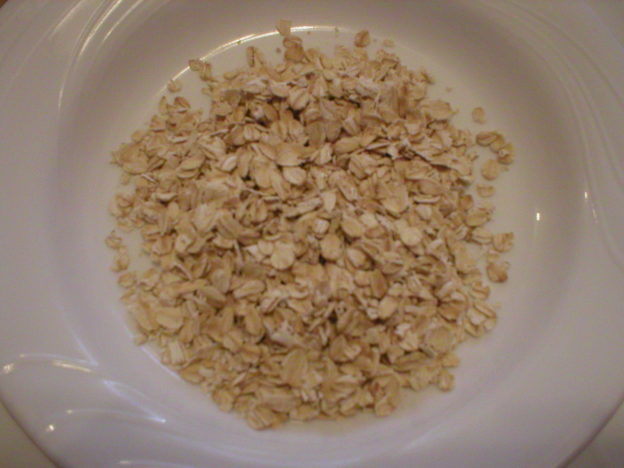
After oats are harvested, they are cleaned and the outer hulls are removed. At that point, they are known as “whole oat groats.” In the United States, the oat groats are processed from there into (1) “old fashioned” rolled oats, (2) quick and instant rolled oats, and (3) steel cut oats. Old fashioned rolled oats are whole groats that were first steamed, then rolled to flatten. They are then dried. Quick and instant oats have been either rolled or steamed for a longer period of time, or both, to produce oats that cook faster than traditional rolled oats. Steel cut oats are simply whole groats that have been cut into smaller pieces with a steel blade. Steel cut oats may be referred to as “Irish” or “Scottish” oats, but those types of oats have actually been stone-ground rather than steel cut. Steel cut oats can come in assorted size pieces with different cooking times ranging from 5 to 7 minutes, to 20 to 30 minutes. However they are marketed, oats are considered to be a “whole grain.”

Oats have been enjoyed as a food for thousands of years. Today, Russia produces most of the world’s oats, with Canada being the second largest producer. Oats are also grown around the world, with the United States growing about 4% of the world’s supply, with most being grown in Wisconsin.

Nutrition Tidbits and Health Benefits of Oats
Oats are a nutritious grain to say the least. They are an excellent source of manganese and molybdenum, and a good source of phosphorus, copper, biotin, Vitamin B1, magnesium, chromium, zinc, dietary fiber and protein. They also contain important phytonutrients as well. Here are some of the wonderful health benefits of oats:

Antioxidants: In addition to their abundance of vitamins and minerals, oats are rich in antioxidants, some of which are almost unique to oats. These special compounds may help to lower blood pressure by increasing the production of nitric oxide which relaxes blood vessels, reducing inflammation and reducing itching from skin disorders.

Protects against heart disease: Oats contain the soluble fiber, beta-glucan, which forms a thick gel-like solution in the digestive tract. Beta-glucan is known to reduce LDL and total cholesterol levels. Beta-glucan is also known to help protect LDL-cholesterol from oxidative damage, which causes inflammation in the arteries and raises the risk of heart attacks and strokes.

Improves blood sugar control: The soluble fiber in oats, beta-glucan, is also known to help to improve blood sugar control. The fiber delays stomach emptying which slows the absorption of glucose into the blood. Beta-glucan also appears to improve insulin sensitivity, further aiding in the management of blood sugar.

Weight management: Oats are very filling and help us to feel full longer, aiding in weight management. The beta-glucan in oats appears to promote the release of a satiety hormone, leading to a reduced food intake, decreasing the risk of obesity.

Skin care: Finely ground oats, known as “colloidal oatmeal,” have long been used in skin care regimens. Oats applied topically have been shown to relieve itching and inflammation from various skin conditions, including eczema.

Childhood asthma: Researchers believe that introducing solid foods too early in infants can spark the development of asthma and other allergic conditions. Studies have shown that early introduction of oats to infants can help to ward off such developments.

Constipation relief: Studies have found that oat bran can help relieve constipation in elderly people when fed oat bran daily for 12 weeks. Most of the patients were able to stop their use of laxatives after the 3-month study.

Improved gut microbiome: In a study reported in Science News in 2015 (from the journal Applied and Environmental Microbiology), researchers found that people who ate beta-glucan-enriched pasta for two months had increased populations of beneficial bacteria and reduced numbers of harmful bacteria in their intestinal tracts. The subjects also had reduced LDL-cholesterol after the trial. This study was in an effort to find prebiotic foods that encourage the growth of healthful bacteria in the gut.

How to Select Oats
Oats have a slightly higher fat content than other grains, so they can go rancid faster than other grains. With that in mind, it may be helpful to purchase smaller amounts at one time if you don’t go through them quickly. Oats are usually sold prepackaged. However, some stores sell oats in bulk bins. When buying oats from bulk bins, be sure there is no sign of moisture, and also smell them to be sure they are fresh. If they have an “off” odor, they may be going rancid and would not be good to buy.

How to Store Oats
For best shelf life, store oats in an airtight container in a cool, dry, dark place. Oats will usually come with a “best by” date, so for the best quality be sure to use them before that date.

Do oats contain gluten?
The answer: no and yes. Oats themselves do NOT contain gluten, and are usually safe to consume by people who are gluten-sensitive. However, oats are often processed in a facility that also processes gluten-containing grains such as wheat, rye and barley. If oats are processed in the same facility, remnants of the other grains often remain on the equipment and thus “contaminate” the oats with their gluten. Hence, if oats are not labeled as being “gluten-free” they were most likely processed in such a facility and therefore DO contain contaminant gluten.

Oats that are labeled as being “gluten-free” were processed in a facility dedicated to processing only gluten-free grains. Therefore, they can be safely consumed by those who are sensitive to gluten.

There is a small subset of gluten-sensitive people who do react to oats labeled as being gluten free. Scientists are not certain as to why, but they have found that some gluten-sensitive people react to some (non-gluten) proteins that are found in some, but not all varieties of oats. Furthermore, oats grown in fields next to fields growing gluten-containing grains may also become contaminated with gluten. It might be possible that these people are reacting to gluten contamination from neighboring fields, or to the non-gluten proteins that are found in some varieties of oats. Therefore, if you are gluten-sensitive and find that you have reacted to oats labeled as being gluten-free, it might be best to avoid eating oats altogether.

Can you eat uncooked oats?
Some raw food enthusiasts have wondered if oats can be eaten raw. The oats we buy have already been processed to some degree, so technically speaking they are not “raw.” Then the question remains, “Can we eat oats uncooked?” Yes, they can be eaten uncooked, but it’s not advised to eat them dry. Eating uncooked dry oats can cause them to build up in your stomach or intestines, causing indigestion or constipation. Furthermore, raw oats contain phytic acid, which binds to the minerals in oats, making them hard for the body to absorb. Soaking oats before consuming them reduces the phytic acid content, making them easier to digest and preventing constipation.

Healthful ways to eat uncooked oats include adding them to smoothies or stirring them into yogurt. Oats may also be soaked overnight (in the refrigerator) in water or milk. They will absorb a lot of the liquid, making them more digestible in the morning. So, uncooked oats can be included in a healthy diet as long as they are soaked or moistened in some way beforehand so they are not consumed dry.

How to Prepare Oats
Oats are usually prepared by being placed in cold water, then brought to a simmer and cooked until tender. The time will depend upon the type of oat being cooked. Usually 1 part of oats is cooked in 2 parts of water; however, steel cut oats will require more water, often up to 3 parts water to 1 part of oats. Follow the package directions to be sure.

Tips and Quick Ideas
* For a delicious breakfast, add some of your favorite nuts and cut fruit to a bowl of hot oatmeal.

* Substitute up to 25% of oat flour for wheat flour in baked goods for a nutrition and flavor boost.

* Do you need oat flour for a recipe? Simply place some oats in a coffee grinder, food processor, or high-speed blender, process, and you’ll have oat flour in no time!

* Oats can be used as a thickener for soups or stews simply by adding a tablespoon or two of oats or oat flour to your food after it has cooked or while it’s cooking. Allow 5 to 10 minutes for it to thicken the liquid.

* When you’re short on time to prepare breakfast, try overnight oats that are soaked in milk or water overnight in the refrigerator. When you’re ready to eat in the morning, your breakfast will be waiting for you.

* Adding oats to a smoothie is a great way to thicken it while adding lots of nutrients and healthful fiber.

* Use oats to bind the ingredients of veggie patties and burgers.

* Use oats as a basis for homemade granola cereal or granola bars.

* Oats can be used in place of crushed graham crackers in pie crusts, such as in a cheesecake or tart.

* Make your own oat milk simply by blending 1 cup of oats with 2-1/2 to 4 cups of water. Strain it or not…it’s up to you. Add a little sweetener and/or vanilla, if you want. Stir it before you use it. Store extra in the refrigerator and use it within 2 or 3 days. If you elect to strain your oat milk, use the pulp in veggie patties, meatloaves, baked goods, smoothies, pancakes, or any other way you can sneak it into your foods.

* Rolled (old-fashioned) and quick cooking oats are interchangeable in most recipes. Instant oats are not interchangeable, since they have already been fully cooked then dried.

* When making yeast breads, oat flour can be combined with wheat flour (up to 25% substitution). A 100% oat flour yeast bread will not rise because yeast needs gluten to rise.

Herbs and Spices That Go Well With Oats
Cardamom, cinnamon, dill, fennel seeds, ginger, mace, nutmeg, parsley, sage, vanilla

Other Foods That Go Well With Oats
Proteins, Nuts, Seeds: Almonds, cashews, chicken, eggs, nuts (in general), pecans, pork, seeds (esp. flax, pumpkin, sesame, sunflower), walnuts

Vegetables: Celery

Fruit: Apples, apple juice, apricots, bananas, berries (esp. blueberries, raspberries), coconut, dried fruits (esp. cherries, cranberries, currants, dates, figs, peaches, plums, raisins), fruit juice (in general), oranges, peaches, pears, plums, raisins

Other Grains and Grain Products: Baked goods, breading

Milk and Non-Dairy: Butter, buttermilk, cheese, cream, milk (dairy), milk (non-dairy, esp. almond, coconut, hemp, rice, soy), yogurt

Other Foods: Honey, kefir, maple syrup, molasses, oil (esp. coconut, flaxseed, safflower, sesame), salt, stock (vegetable), sugar (esp. brown)

Oats have been used in the following dishes and cuisines:
Baked goods (esp. biscuits, breads, cakes, cookies, muffins, quick breads), breading, cereals (esp. hot breakfast), desserts (esp. fruit crisps and crumbles), Irish cuisine, vegetarian meatballs, burgers or meatloaf, muesli, pancakes and waffles, Scottish cuisine, soups (esp. Irish, Scottish, and as a thickener to make it creamier), trail mix

Suggested Flavor Combos Using Oats
Combine oats with the following…
Almonds + Cinnamon + Fruit + Maple Syrup
Almonds + Cashews + Cinnamon + Maple Syrup + Vanilla
Almonds + Cinnamon + Yogurt
Apples + Brown Sugar + Cinnamon + Raisins
Apples + Cheddar Cheese
Apples + Cinnamon + Honey + Raisins
Bananas + Cinnamon + Maple Syrup
Brown Sugar + Nuts + Raisins
Cinnamon + Figs + Honey + Vanilla
Cinnamon + Maple Syrup
Cranberries + Nuts
Ginger + Plums
Pecans + Sweet Potatoes + Vanilla

Recipe Links
25 Ways to Use Oats When You’ve Had Enough Oatmeal https://greatist.com/eat/oat-recipes-that-arent-just-oatmeal

51 Oats Recipes That Go Beyond Oatmeal https://www.epicurious.com/ingredients/15-ways-to-eat-your-oats-gallery

13 Wonderful Ways to Eat Your Oats https://www.thekitchn.com/13-wonderful-ways-to-eat-your-oats-227179

Savory Oats With Ontario Greenhouse Grown Tomatoes https://producemadesimple.ca/savory-oats-with-ontario-greenhouse-grown-tomatoes/

Overnight Oats with Stone Fruit https://producemadesimple.ca/overnight-oats-with-stone-fruit/

Breakfast Oatmeal Cupcakes to Go https://chocolatecoveredkatie.com/2013/01/08/breakfast-oatmeal-cupcakes-to-go/

50 Things to Make with Oats https://www.foodnetwork.com/recipes/articles/50-things-to-make-with-oats

50 Best Oatmeal Recipes https://fitfoodiefinds.com/the-50-best-oatmeal-recipes-on-the-planet/

Oat Breaded Pork Medallions with Dijon Mushroom Sauce https://oatseveryday.com/blog/elegant-main-dishes-oats/

17 Next-Level Ways to Eat Oats https://nutritiouslife.com/eat-empowered/creative-oat-recipes/

Easy Recipes to Make the Most of Oat Pulp https://www.plantmilk.org/2018/06/28/easy-recipes-to-make-the-most-of-leftover-oat-pulp/

Oat Milk—Here’s Everything You Need to Know https://chocolatecoveredkatie.com/2019/04/25/oat-milk-recipe-how-to/

How to Use Oat Flour https://www.everydayglutenfreegourmet.ca/how-to-use-oat-flour/

Resources
http://www.whfoods.com/genpage.php?tname=foodspice&dbid=54

https://www.thekitchn.com/the-oat-conundrum-are-oats-glu-137074

https://www.healthline.com/nutrition/9-benefits-oats-oatmeal#section3

https://www.sciencedaily.com/releases/2015/09/150918152005.htm

https://www.healthline.com/nutrition/raw-oats#downsides

https://www.thespruceeats.com/great-uses-for-oats-3371560

https://www.womenshealthmag.com/food/a19496524/oat-milk/

https://www.everydayglutenfreegourmet.ca/how-to-use-oat-flour/

https://www.thespruceeats.com/oatmeal-and-oats-tips-1808054

Page, Karen. (2014) The Vegetarian Flavor Bible. New York, NY: Little, Brown and Company.

About Judi
Julia W. Klee (Judi) began her journey enjoying “all things food” in elementary school when she started preparing meals for her family. That love of food blossomed into a quest to learn more and more about health and wellness as related to nutrition. She went on to earn a BS Degree in Food and Nutrition, then an MS Degree in Nutrition. She has taught nutrition and related courses at the college level to pre-nursing and exercise science students. Her hunger to learn didn’t stop upon graduation from college. She continues to research on a regular basis about nutrition as it relates to health. Her hope is to help as many people as possible to enjoy foods that promote health and wellness.