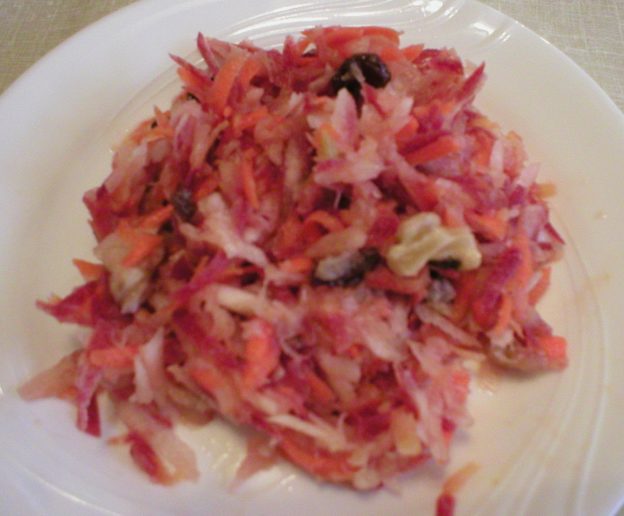
Category Archives: Salads

Black-Eyed Pea Dip

Black-Eyed Pea Dip

Here’s an easy and healthful dip made with black-eyed peas. It’s vegan, SOS-free, healthful, easy to make, and delicious. It works well with vegetable sticks, chips, pita bread, with a salad, and can even be used as a sandwich spread. Try it sometime!

Below is a video demonstration of how to make the dip. The written recipe is below the video.

Enjoy!
Judi

Black-Eyed Pea Dip
Makes about 2-1/2 Cups

2 cups cooked black-eyed peas (or 1 (15-oz) can of black-eyed peas, rinsed and drained)
1/2 avocado, diced
1/4 tsp garlic powder (or 2 small cloves garlic, chopped)
1/3 cup chopped onion, or ½ tsp onion powder
1 stalk celery, chopped
1/3 cup chopped bell pepper
½ tsp dried dill weed
3 Tbsp apple cider vinegar or lemon juice

Add all ingredients to a blender or food processor and process until smooth. Taste and adjust seasonings, if needed. Serve with vegetables, crackers, pita bread, and chips, or use as a condiment on wraps and sandwiches. Store leftover in a covered container in the refrigerator and use within 3 days.

Green Pea Dip

Green Pea Dip or Hummus

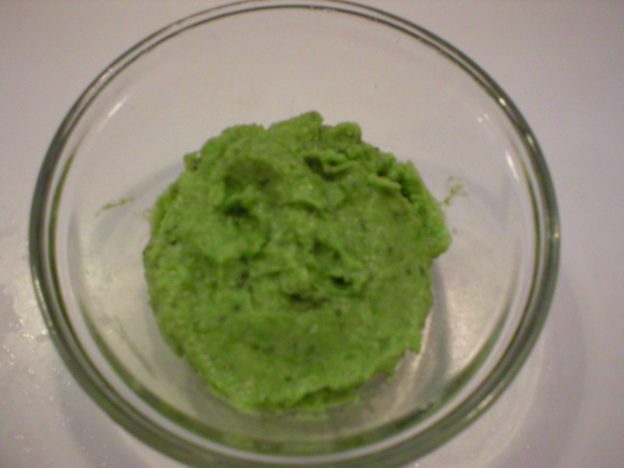
Here’s a simple dip or hummus made with green peas. It’s good served with vegetable sticks, chips, pita breads, or even used as a spread on sandwiches. It’s an easy way to add more protein and nutrients to your foods! The recipe is simple and fast to make can easily be increased to meet your needs.

Below is a video demonstration of making the dip. The written recipe is below the video.

Enjoy!
Judi

Green Pea Dip or Hummus
Makes About 1 Cup

1 cup frozen and thawed green peas
½ of an avocado
1/3 cup diced onion, or 1 tsp onion powder
1 small clove garlic, chopped, or 1/8 tsp garlic powder
1 tsp dried parsley, or 1 tablespoon of fresh parsley
2 Tbsp white wine vinegar or fresh lemon juice
1/8 tsp of salt, optional
Water, if needed to blend (using no more than 1 tablespoon at a time)

Place all ingredients (except water) in a blender or food processor and blend until combined and smooth. If the mixture is too thick, add 1 tablespoon of water at a time, as needed.

Serve as a dip with raw vegetables or chips, as a flavoring in wraps or sandwiches, as a topping on toasted bread, or in a bowl topped with chopped vegetables of choice and served as a meal or side dish. Store in a covered container in the refrigerator and use within 3 days.

About Judi
Julia W. Klee (Judi) began her journey enjoying “all things food” in elementary school when she started preparing meals for her family. That love of food blossomed into a quest to learn more and more about health and wellness as related to nutrition. She went on to earn a BS Degree in Food and Nutrition, then an MS Degree in Nutrition. She has taught nutrition and related courses at the college level to pre-nursing and exercise science students. Her hunger to learn didn’t stop upon graduation from college. She continues to research on a regular basis about nutrition as it relates to health. Her hope is to help as many people as possible to enjoy foods that promote health and wellness.

Lettuce

Lettuce 101 – The Basics

Lettuce is a leafy green vegetable that we’re all familiar with. Many of us eat lettuce every day, whether it’s in a salad or included in a sandwich of some sort. It’s simply everyday fare. Yet, it’s a vegetable we can do more with than we think, and it often has more nutritional value than we give it credit for. I invite you to explore the possibilities of what you can do with lettuce and use more of it where you can. It’s more than just water packed in a green leaf! Check out the information below to learn more about this humble, noteworthy leafy vegetable!

Enjoy,
Judi

About Lettuce
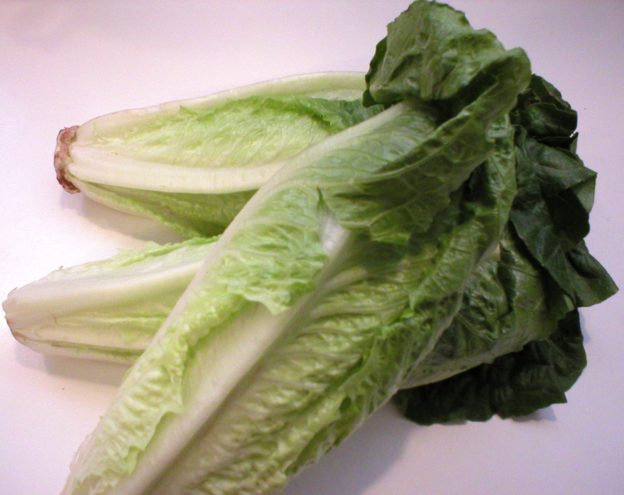
Lettuce is an annual leaf vegetable of the aster family, Asteraceae. There are four varieties that are commonly grown: (1) asparagus lettuce with narrow leaves and a thick stem (i.e. celtuce, popular in China), (2) head or cabbage lettuce with leaves folded into a compact round head (i.e. iceberg), (3) leaf or curled lettuce, with leaves that are loose, curled and smooth-edged or oak-leaf in shape (i.e. green leaf), and (4) cos with smooth leaves that form a tall, oblong, loose head (i.e. romaine).

There are two classes of head lettuce: (1) Butterhead types (i.e. Boston and Bibb lettuces) with soft, large leaves that separate easily from the base of the stem, and (2) crispy types (i.e. iceberg lettuce), with crispy leaves that form hard, compact heads. Lettuces can have colors ranging from different shades of green to deep red and purple. Some newer varieties have variegated colors. The crisp head varieties are very popular in the United States.

Lettuce is by far the world’s most popular salad vegetable. It is native to the eastern Mediterranean region and western Asia. Lettuce was first cultivated by ancient Egyptians who transformed the plant from a weed with seeds used to produce oil, to a food grown for its leaves and seeds. The plant was introduced to Greeks and Romans, who gave it the name “lactuca” where the name “lettuce” came from. The plants eventually made their way around the world, where different varieties were eventually developed and cultivated, especially in Holland. People in most countries eat lettuce raw, whereas celtuce lettuce is often cooked in China. Most lettuce eaten in the United States is grown in California.

Nutrition and Health Benefits of Lettuce
Lettuce is one food you can eat without guilt, with only 11 to 20 calories in 2 cups, depending upon the variety. It has extremely little fat, little carbohydrate and protein. However, the nutrient content starts to pick up with fiber, having about 2 grams in 2 cups, depending upon the variety. When comparing nutrient value of assorted types of lettuce, romaine lettuce often tops the list with higher levels of specific vitamins and minerals, while iceberg is often toward the bottom. Nevertheless, iceberg lettuce does have nutritional value.

Romaine is the lettuce to choose when shopping for the most nutrient-dense lettuce. It supplies good amounts of Vitamin A (carotenoids), Vitamin K, folate, molybdenum, dietary fiber, manganese, potassium, biotin, Vitamin B1, iron, copper, Vitamin C, Vitamin B2, omega-3 fatty acids, Vitamin B6, phosphorus, chromium, magnesium, calcium, and pantothenic acid. Despite its high water and low calorie content, that’s a lot to be said for romaine lettuce!

Heart Health. Considering the wide range of nutrients provided by romaine lettuce, this lettuce in particular, can be considered a heart-healthy food. The Vitamin C and beta-carotene work together to help prevent oxidation of cholesterol, which would cause it to become sticky and cling to arterial walls forming plaque. The fiber in romaine lettuce helps to remove bile from the body, forcing the production of more bile. This in turn, lowers blood cholesterol. The folate in romaine helps to keep the amino acid homocysteine in check, thereby lowering the risk of heart disease. Furthermore, the potassium in romaine helps to keep blood pressure in check. There’s plenty of reason to opt for romaine lettuce when you can!

How to Select Lettuce
No matter what type of lettuce you’re buying, you want your lettuce to be as fresh as possible. Look for brightly colored leaves that appear crisp, not wilted, and are free of blemishes. If possible, choose heads with stems that are not browning from the base.

How to Store Lettuce
To stay crisp and fresh, lettuce needs moisture and air. Here are the steps to keeping lettuce fresh and crisp, according to https://thespruceeats.com:

Loose Leaf Lettuce. Remove any damaged leaves, then wash your lettuce. Dry it in a salad spinner or on paper towels. Wrap the lettuce in dry paper towels or a clean cloth and place it in a rigid storage container with a lid. The towel will absorb any excess water while helping to maintain a humid environment. It’s helpful to store the washed lettuce in the crisper drawer of the refrigerator for proper temperature during storage. If not possible, store them toward the bottom of the refrigerator and try to keep the container from resting against the back of the refrigerator where the lettuce might freeze. Replace the paper towel or cloth when it feels wet. Check the lettuce every day or two and remove any leaves that are not at their best. Use loose leaf lettuce within 7 to 10 days for best quality.

Head Lettuce (Unwashed).  Remove any outer leaves that are wilted or damaged. Leave the heads intact and do not wash them until you are ready to use the lettuce. Store the head of lettuce wrapped in paper towels or a clean cloth in the crisper drawer of the refrigerator. Replace the towels when they appear wet. Head lettuce can last from one to three weeks when stored like this. If the outer leaves start to look bad, remove and discard them until you reach inner leaves that look good. Use them as soon as possible.

Storing Washed and Cut Lettuce. Wash and spin dry cut lettuce. If you do not have a salad spinner, allow the lettuce to air dry on paper towels or a clean cloth towel. Wrap your washed/dried lettuce in a dry paper or cloth towel and place it in a rigid covered container. A plastic bag may be used, but they may keep better in a covered container since that will protect them from getting bumped and bruised. Store it in the crisper drawer if possible, for optimal temperature. Replace the towel if it gets wet, and remove any damaged/aging leaves for optimal storage life.

Tips for Lettuce Storage. (1) Lettuce bruises or gets damaged easily. So, try not to shove other foods or containers against your lettuce in the refrigerator. That’s why storing lettuce in a container can be helpful. (2) Try not to push your lettuce to the back of the refrigerator, where it might freeze. If this happens, it will not be good for salads, as freezing lettuce makes it mushy. (3) If you’re slow to eat your lettuce, choose romaine or iceberg, which seem to keep the longest.

Reviving Wilted Lettuce. If your lettuce starts to wilt, revive it by placing it in a bowl of ice water for a few minutes before you use it. Dry the soaked lettuce, then use it as planned.

When to Discard Lettuce. If your lettuce starts to look slimy, brown, moldy, and/or develops a bad odor, it’s time to toss it out.

Quick Ideas and Tips for Using Lettuce
* Add lettuce of any type to your sandwiches, burgers, or wraps for added crunch, flavor and a little nutrient boost.

* Just about everything goes with lettuce. When making a meal salad, get creative! Add a variety of your favorite foods from different categories…proteins, fruits, other vegetables, grains, dairy and non-dairy. Add your favorite dressing and enjoy! Change it up as often as you can for variety and nutrient balance.

* Enjoy a lettuce wrap with your favorite foods. Use large lettuce leaves, and double or triple them for strength if needed. Fill with your favorite sandwich, taco or burrito filling, wrap and enjoy!

* Years ago, lettuce was always cooked…mostly in soups. If you’re really looking for something different to try, add some lettuce to a vegetable soup at the end of cooking! The heat will wilt the lettuce while it still maintains some of its crunch. The same thing can be done with arugula and spinach.

* If you’re concerned about bacteria or other microbes on your food, opt for whole heads of lettuce (those with leaves still attached to the base). Researchers have found that whole heads of lettuce had FAR less bacteria on them than the cut, bagged varieties. This is true, even for those labeled as being “triple washed” and “ready to eat.”

* Lettuce can bruise easily. When washing/cutting lettuce in advance to be stored in the refrigerator, either tear the lettuce or cut it with a plastic lettuce knife (rather than a metal knife). Cutting lettuce in advance with a metal knife can bruise the lettuce, causing brown edges on the leaves where it was cut. This is not a problem if you will be eating your lettuce right away, but may be noticeable for stored prepared lettuce.

* When storing lettuce, keep it away from ethylene-producing fruit, which would cause the lettuce to age prematurely. Such fruit includes apples, bananas, tomatoes, avocados, kiwi fruit, and cantaloupe. [Note that this is not an all-inclusive list.]

* Lettuce contains a lot of water. Why not add some to your next smoothie?

* Try adding some shredded crisp lettuce to your next vegetable stir-fry!

* Next time you grill something, take a head of lettuce like iceberg or radicchio, slice it in half through the core, and grill it, cut side down. It will have grill marks, and a hint of smokiness what will add an interesting flavor twist to your next salad.

* When you’re braising something, try adding some crispy romaine along with or instead of cabbage. Lettuce absorbs other flavors readily, so this should enhance the flavor of your dish.

* When you want a quick snack, top some crispy lettuce leaves with your favorite cracker topping, like nut butter and fruit, hummus, egg salad, chickpea salad, refried beans, cheese, or anything like that.

*Are you wondering what those brown spots toward the base of lettuce stems are and if it’s safe to eat? Check out my video about lettuce rust…what it is, if it’s safe, and how to prevent it… https://youtu.be/BfCfn1iCxDo

Herbs/Spices That Go Well with Lettuce
Basil, capers, cayenne, chervil, cilantro, cumin, dill, garlic, ginger, lovage, mint, mustard, parsley, pepper (black, white), salt, tarragon, thyme

Foods That Go Well with Lettuce
Proteins, Legumes, Nuts, Seeds: Almonds, beans, beef, cashews, chicken, chickpeas, eggs, hazelnuts, pecans, pine nuts, pistachios, seafood, seeds (i.e. pumpkin, sesame, sunflower), tahini, tempeh, tofu, turkey, walnuts

Vegetables: Arugula, beets, bell peppers, carrots, cauliflower, celery, celery root, chayote, chiles, chives, cucumbers, fennel, greens (baby and other salad greens), jicama, leeks, mushrooms, nori, onions, parsnips, peas, potatoes, radicchio, radishes, scallions, shallots, sprouts, squash (summer and winter), sugar snap peas, tomatoes, watercress

Fruits: Apples, avocados, citrus fruits (lemons, lime, grapefruit, oranges, tangerines), cranberries (dried), mangoes, olives, pears, pomegranates, persimmons, raisins

Grains and Grain Products: Bulgur, corn, corn chips, corn tortillas, croutons, quinoa, rice

Dairy and Non-Dairy: Buttermilk, cheese (dairy and nondairy), crème fraiche, yogurt

Other Foods: Honey, mayonnaise, miso, oil, soy sauce, tamari, vinegar, Worcestershire sauce

Lettuce has been used in the following cuisines and dishes…
Lettuce wraps, salads, sandwiches, soups

Suggested Flavor or Food Combos Using Lettuce
Use lettuce with any of the following combinations…

Almonds + Avocado + Carrots + Smoked Tofu + Tomatoes
Almonds + Jicama + Orange
Apples + Celery + Lime + Raisins + Walnuts
Avocado + Grapefruit + Pecans + Radicchio
Carrots + Cucumbers + Dill + Feta Cheese
Chickpeas + Cucumbers + Feta Cheese + Olives + Red Onions + Tomatoes
Dill + Garlic + Lemon + Scallions
Dijon Mustard + Lemon + Olive Oil + Scallions
Fennel + Grapefruit
Figs + Goat Cheese + Tarragon
Gorgonzola Cheese + Hazelnuts + Lemon + Olives
Pears + Sherry Vinegar + Walnuts

Recipe Links
Stir-Fry Lettuce https://www.thespruceeats.com/stir-fry-lettuce-recipe-695327

Thai Basil Chicken Lettuce Wraps https://www.thespruceeats.com/thai-basil-chicken-lettuce-wraps-3217221

Classic Wedge Salad https://www.thespruceeats.com/classic-wedge-salad-4688322

Stir-Fried Garlic Lettuce (vegan) https://www.theperfectpantry.com/2009/10/shao-hsing-wine-recipe-stirfried-garlic-lettuce.html

Strawberry, Blueberry & Greens Salad with Honey Vinaigrette https://www.thekitchenismyplayground.com/2015/05/strawberry-blueberry-greens-salad-with.html

Parmesan Crusted Romaine and Chicken https://sweetphi.com/parmesan-crusted-romaine-chicken-eating-better-health-key/

Lettuce Salad with Tomato and Cucumber https://ifoodreal.com/lettuce-salad/

38 Recipes using Salad Greens https://www.bonappetit.com/test-kitchen/ingredients/slideshow/lettuce-recipes

Orange Romaine Salad https://www.allrecipes.com/recipe/89712/orange-romaine-salad/?internalSource=rotd&referringId=16350&referringContentType=Recipe%20Hub

Roasted Lettuce, Radicchio, and Endive https://www.allrecipes.com/recipe/246655/roasted-lettuce-radicchio-and-endive/?internalSource=staff%20pick&referringId=16350&referringContentType=Recipe%20Hub&clickId=cardslot%201

Strawberry and Feta Salad https://www.allrecipes.com/recipe/62686/strawberry-and-feta-salad/?internalSource=hub%20recipe&referringId=16350&referringContentType=Recipe%20Hub&clickId=cardslot%208

Holiday Lettuce Salad https://www.tasteofhome.com/recipes/holiday-lettuce-salad/

40 Lettuce Recipes You Can Get Excited About https://www.tasteofhome.com/collection/lettuce-recipes/

Cranberry Almond Lettuce Salad https://www.food.com/recipe/cranberry-almond-lettuce-salad-105318

Resources
https://www.britannica.com/plant/lettuce

http://justfunfacts.com/interesting-facts-about-lettuce/

https://www.tasteofhome.com/collection/protein-packed-lettuce-wrap-recipes/

https://www.thespruceeats.com/store-lettuce-for-freshness-996048

https://www.thespruceeats.com/all-about-lettuce-2217514

https://www.thespruceeats.com/how-to-wash-lettuce-and-greens-2216968

https://www.thekitchn.com/we-tried-3-ways-to-store-salad-greens-and-heres-our-winner-tips-from-the-kitchn-211770

https://www.thekitchn.com/lettuce-is-so-much-more-than-salad-here-are-10-more-ways-to-eat-it-tips-from-the-kitchn-220136

https://www.thekitchn.com/lettuce-is-so-much-more-than-salad-here-are-10-more-ways-to-eat-it-tips-from-the-kitchn-220136

Page, Karen. (2014) The Vegetarian Flavor Bible. New York, NY: Little, Brown and Company.

About Judi

Julia W. Klee (Judi) began her journey enjoying “all things food” in elementary school when she started preparing meals for her family. That love of food blossomed into a quest to learn more and more about health and wellness as related to nutrition. She went on to earn a BS Degree in Food and Nutrition, then an MS Degree in Nutrition. She has taught nutrition and related courses at the college level to pre-nursing and exercise science students. Her hunger to learn didn’t stop upon graduation from college. She continues to research on a regular basis about nutrition as it relates to health. Her hope is to help as many people as possible to enjoy foods that promote health and wellness.

Mango Citrus Cilantro Dressing

Mango Citrus Cilantro Dressing

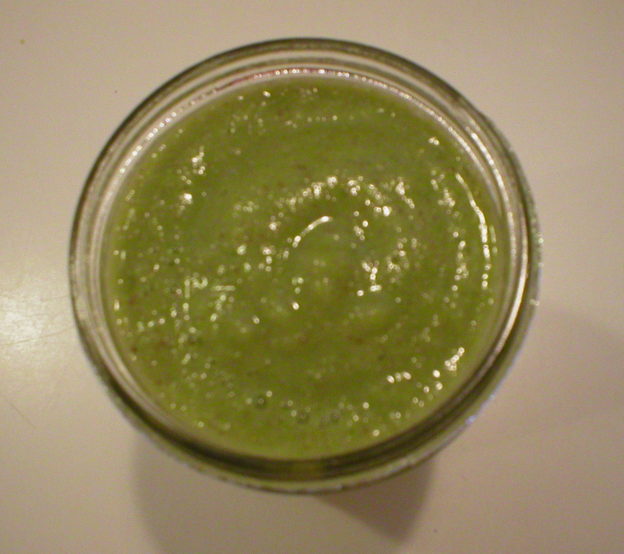
Here’s an easy salad dressing to blend up in no time at all. It’s vegan, oil-free, salt-free, and has no added sugar. The flavor can be adjusted from sweet and tangy to very tangy, as desired, depending on whether you add vinegar to the mix. See the important note in the recipe!

Below is a video demonstration on how to make the dressing. The written recipe is below the video.

Enjoy!
Judi

Mango Citrus Cilantro Dressing
Makes About 2 Cups

1 cup chopped mango (About 1 mango)
2 Tbsp ground flax seed
1 stalk (about ½ cup) celery, chopped
1 large navel orange, peeled, sectioned
1 lime, quartered, peeled
1/3 cup chopped cilantro
Up to 2 Tbsp white wine vinegar (or water, if needed), optional*

Process everything (except added vinegar or water, if possible) until smooth in a blender. (See important note below!) The flax seed will thicken the dressing as it rests.

This dressing is best when eaten the day it is made. The sweetness of the mango tends to dissipate beyond that. If you need to keep it beyond the first day, you may want to add some sweetener of choice to restore its sweetness.

Store in a covered container in the refrigerator and use within 5 days.

*Important! Blend and taste the mixture before adding any vinegar, especially if using this as a dip. You may or may not want the increased tang from the added vinegar. If omitting the vinegar, you may need to add up to 2 tablespoons of water if the mixture is too thick. But blend the mixture without added liquid if your blender will handle the task. Then taste the mixture and add water or vinegar if desired. Note that the mixture will thicken as it rests from the added ground flax seed.

About Judi
Julia W. Klee (Judi) began her journey enjoying “all things food” in elementary school when she started preparing meals for her family. That love of food blossomed into a quest to learn more and more about health and wellness as related to nutrition. She went on to earn a BS Degree in Food and Nutrition, then an MS Degree in Nutrition. She has taught nutrition and related courses at the college level to pre-nursing and exercise science students. Her hunger to learn didn’t stop upon graduation from college. She continues to research on a regular basis about nutrition as it relates to health. Her hope is to help as many people as possible to enjoy foods that promote health and wellness.

Spring Mix Salad with Carrot-Orange Dressing

Spring Mix Salad with Carrot-Orange Dressing

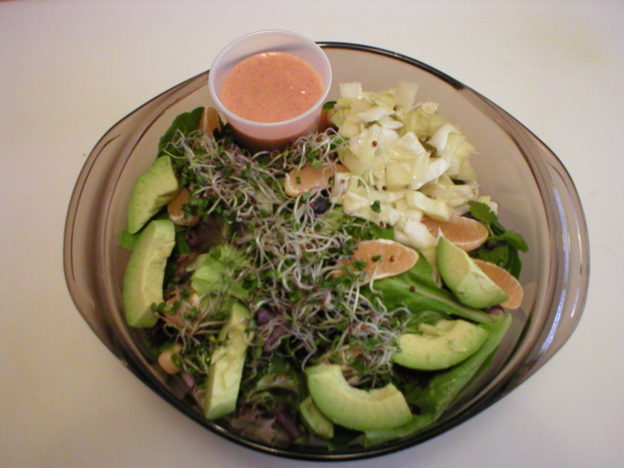
Here’s a delicious, very healthful and easy salad to put together. Of course, feel free to vary the vegetables according to your preferences and what you have available. The suggested dressing is Carrot-Orange Dressing and the recipe is below. This dressing is light, with it being free of oil, salt and sugar. It’s healthful and the flavor is adjustable according to your taste. Give it a try sometime!

Below are videos showing how to make the dressing and the salad. The written recipes follow the videos.

Enjoy!
Judi

Spring Mix Salad with Carrot-Orange Dressing

This recipe is designed so you can make as much or as little as you want, and of course, change the vegetables according to your preferences. The dressing recommendation is below, but you could use any dressing you prefer.

Spring mix
Shredded red cabbage
Onion (diced red, yellow, or scallions), optional
Cucumbers
Celery
Shaved or diced carrot
Broccoli sprouts, or chopped fresh broccoli
Blueberries
Clementine segments
Fresh cilantro, chopped, optional
Garbanzo beans, or beans/peas of choice (cooked or canned, rinsed, drained)
Green peas (frozen and thawed)
Avocado slices, optional
Sliced almonds or walnuts, optional

To make the salad:
Wash all vegetables and cut them into desired size pieces. Arrange ingredients in a serving bowl and top with a few avocado slices, if desired. Mix dressing ingredients as directed and drizzle over salad. Enjoy!

Carrot-Orange Sauce, Dip, or Salad Dressing
Makes About 1-1/4 Cups

This delicious mixture can be used as a sauce over cooked vegetables or grains, as a dip, and as a dressing for green salads. The key is in the amount of lemon juice or vinegar you add. See the suggestion below!

¾ cup chopped carrots (raw, blanched, or frozen and thawed)*
2 Tbsp ground flaxseed
½ cup orange juice
½ tsp ground coriander seed
2 to 4 Tbsp lemon juice or apple cider vinegar**

Place all ingredients in a blender or food processor. (See notes below.)** Pulse or process until smooth. Transfer to a covered container, and place in the refrigerator for at least 20 minutes to allow it to thicken. Use within 1 week.

If you have a high-powered blender, the raw carrots can be pureed until smooth. If you do not own such a blender, using blanched, or frozen and thawed carrots will give you a smoother product since they will be easier to puree.

*Cook’s Note: To blanch fresh carrots, placed diced carrots in boiling water for 2 minutes. Drain and allow to cool some before processing.

** Suggestion: The amount of lemon juice or apple cider vinegar you add to this dressing transforms it from a sauce to a dip, or to a salad dressing. Use less acid (2 to 3 tablespoons) if you want to use this as a sauce over vegetables or a grain. Use a medium amount (3 tablespoons) if you want to use this as a dip. Use the full amount (4 tablespoons) if you use this as a salad dressing, so the tang will bring the flavor out above the salad greens. If you’re not sure, add just 2 tablespoons at first, taste it, and add more acid as desired.

The flavors will blend well when this mixture is allowed to sit in a covered container in the refrigerator overnight. This is especially helpful when adding 4 tablespoons of lemon juice or vinegar. When using this as a sauce with less lemon juice or vinegar, it may be used right away. However, allowing it to rest for 20 to 30 minutes gives the ground flaxseed time to thicken the mixture before it is used.

Carrot-Orange Sauce, Dip, or Salad Dressing

Carrot-Orange Sauce, Dip, or Salad Dressing

Here’s an easy and fast dressing to make that can be used as a sauce served over cooked vegetables or grains, as a vegetable dip, or as a dressing over a green salad. It’s versatile and can easily be adapted to your flavor preference with the amount of vinegar or lemon juice added. The key is to taste it along the way then let it sit in the refrigerator overnight for the flavors to blend. Then taste it again and adjust the acid (vinegar or lemon juice) if needed. AND it’s SOS-FREE (no added salt, oil, nor sugar), so it’s worth a try!

Below is a video demonstration of how to make this dressing. The written recipe is below the video.

Enjoy!
Judi

Carrot-Orange Sauce, Dip, or Salad Dressing
Makes About 1-1/4 Cups

This delicious mixture can be used as a sauce over cooked vegetables or grains, as a dip, and as a dressing for green salads. The key is in the amount of lemon juice or vinegar you add. See the suggestion below!

¾ cup chopped carrots (raw, blanched, or frozen and thawed)*
2 Tbsp ground flaxseed
½ cup orange juice
½ tsp ground coriander seed
2 to 4 Tbsp lemon juice or apple cider vinegar**

Place all ingredients in a blender or food processor. (See notes below.)** Pulse or process until smooth. Transfer to a covered container, and place in the refrigerator for at least 20 minutes to allow it to thicken. Use within 1 week.

If you have a high-powered blender, the raw carrots can be pureed until smooth. If you do not own such a blender, using blanched, or frozen and thawed carrots will give you a smoother product since they will be easier to puree.

*Cook’s Note: To blanch fresh carrots, placed diced carrots in boiling water for 2 minutes. Drain and allow to cool some before processing.

** Suggestion: The amount of lemon juice or apple cider vinegar you add to this dressing transforms it from a sauce to a dip, or to a salad dressing. Use less acid (2 to 3 tablespoons) if you want to use this as a sauce over vegetables or a grain. Use a medium amount (3 tablespoons) if you want to use this as a dip. Use the full amount (4 tablespoons) if you use this as a salad dressing, so the tang will bring the flavor out above the salad greens. If you’re not sure, add just 2 tablespoons at first, taste it, and add more acid as desired.

The flavors will blend well when this mixture is allowed to sit in a covered container in the refrigerator overnight. This is especially helpful when adding 4 tablespoons of lemon juice or vinegar. When using this as a sauce with less lemon juice or vinegar, it may be used right away. However, allowing it to rest for 20 to 30 minutes gives the ground flaxseed time to thicken the mixture before it is used.

Spinach

Spinach 101 – The Basics

Spinach is a very healthful leafy green vegetable that most of us are familiar with. We add them to smoothies, salads, egg dishes, casseroles, soups, juices, and more. But if you’re wondering about spinach and its health benefits, or just looking for ideas for something different to do with this leafy green, look no further! Below is a comprehensive article all about spinach that covers everything from soup to nuts about this wholesome vegetable.

Enjoy!
Judi

Spinach 101 – The Basics

About Spinach
The leafy green vegetable, spinach, is a member of the chenopod or amaranth family (Chenopodiaceae and Amaranthaceae). Spinach is a cousin to beets (and beet greens) and Swiss chard, also members of the chenopod group. The grains quinoa and amaranth are members of this same plant family.

There are different varieties of spinach, including the most popular savoy, semi-savoy, and flat-leafed varieties. The savoy varieties have curly leaves, unlike the flat-leaf variety that most of us are familiar with. We’re accustomed to spinach being green, but other varieties can have purple or even red colors.

Spinach appears to be native to the Middle East and was cultivated there for over a thousand years. Spinach was eventually taken around the world, after initially being traded with Asian cultures. Today, China grows the most spinach commercially, with the United States, Japan and Turkey falling within the top 10 spinach-producing countries.

Nutrition and Health Benefits of Spinach
Spinach is a very healthful vegetable to eat. It is an excellent source of Vitamin K. One cup of cooked spinach provides a whopping 987% of the recommended daily intake of Vitamin K. That’s a LOT of Vitamin K! That same one cup also provides just over 100% of our daily needs for Vitamin A (in the form of beta-carotene), and a lot of our needs for manganese, folate, magnesium, iron, copper, Vitamins B2, B6, E, C, and calcium. It also contains very good amounts of potassium, fiber, phosphorus, Vitamin B1, zinc, protein, and other nutrients as well. Spinach is mostly water, so a 3.5 ounce (100 gram) serving of fresh spinach has only 23 calories. One cup of raw spinach has a mere 7 calories!

Anti-inflammatory Support. Spinach contains a number of flavonoids known to have anti-inflammatory benefits. These benefits have been shown to have distinct effects within the intestinal tract, promoting the release of nitric oxide, due to the nitrate content of spinach. Nitric oxide lowers blood pressure by promoting the relaxation of blood vessels, increasing the flow of blood, oxygen and nutrients throughout the body. Increased nitric oxide has been shown to lower the risk of heart disease, diabetes, and erectile dysfunction.

Note: Naturally-occurring nitrates in vegetables are different than sodium nitrates used as preservatives in processed meats. The nitrates found in vegetables are harmless, and in fact, they are health promoting. To the contrary, the sodium nitrates used as preservatives in processed meats have been found to promote the formation of compounds (nitrosamines) that can cause cancer. So there is no reason to fear eating spinach because of its nitrate content.

Spinach also is a good source of alpha-linolenic acid (ALA), an omega-3 fatty acid. ALA has been shown to have anti-inflammatory effects, and in some cases, comparable to that of corticosteroids.

Satiety Effects of Spinach. Spinach is high in chlorophyll and other compounds that have been shown to help regulate hunger, satiety, and also blood sugar levels. These compounds delay stomach emptying, helping us to feel full longer and decrease the level of the hormone ghrelin. Ghrelin is the hormone that signals when the stomach is empty sparking the “hunger” feeling, encouraging us to eat. Extracts of these compounds from spinach have been shown to have comparable effects to medications used to control type 2 diabetes.

Cancer Prevention. Spinach contains compounds including antioxidants that may slow cancer growth. One study found that these compounds reduced the growth of cervical tumors. Several studies have linked spinach to a reduced risk of prostate cancer. Other studies found that spinach may also reduce the risk of breast cancer.

Eye Health. Spinach is rich in zeaxanthin and lutein, which are the carotenoids responsible for color in some vegetables. These same compounds help to protect our eyes from sunlight damage. They have also been found to help prevent macular degeneration and cataracts, which are major causes of blindness.

Skin and Hair Health. Spinach contains a lot of beta-carotene, which helps to moderate the amount of oil produced by our skin and hair follicles. The oils help to keep skin and hair healthy. The beta-carotene content of spinach combined with its abundant vitamin and mineral content may also help to promote hair growth and prevent hair loss.

Oxalates. Spinach has a high oxalate (also called oxalic acid) content. Oxalates are naturally occurring organic acids found in a variety of foods. Oxalates in themselves are not harmful, but in some people with certain medical conditions (such as being prone to developing kidney stones), dietary oxalates must be highly restricted. Therefore, spinach may not be good for such individuals. The oxalates in spinach can be reduced by boiling the spinach (leaching the oxalates into the cooking water), or by combining spinach with foods rich in calcium, such as milk products. In the latter case, the calcium from calcium-rich foods binds with the spinach oxalates in the intestinal tract, reducing the availability of the oxalates.

Vitamin K. Spinach is extremely high in Vitamin K, an important vitamin used in our blood clotting function. Individuals taking blood thinning medications, such as Warfarin, must control their intake of Vitamin K so it does not interfere with their medication. If you take such a medication, it is important to consult with your physician before increasing your intake of spinach or any other high source of Vitamin K because of the potential interaction with your medication.

How to Select Fresh Spinach
Choose fresh spinach with bright green leaves and stems and no signs of yellowing. The leaves should look fresh and tender and have no signs of bruising or wilting. Avoid any with a slimy coating because that indicates the spinach is old and decayed.

How to Store Fresh Spinach
Keep your fresh spinach UNWASHED in a plastic bag or tub in the refrigerator. If there are signs of moisture in the bag or tub, place a paper towel on top of the spinach (in a tub), or roll the leaves up in a long strip of paper towel or a clean, dry cloth (when storing it in a plastic bag) to absorb moisture that forms during storage. Store it wrapped and in the refrigerator for up to 5 days. Most spinach in bags or tubs will have a best by date stamped on it. Try to use it no later than that day for best quality.

To see a demonstration on how to store fresh spinach, watch my video “Spinach 101 – Best Way to Store Spinach” …


How to Prepare Fresh Spinach
Do not wash your fresh spinach until you are ready to use it. Wash it well by swishing the spinach in a bowl of water. This will remove any sand or debris that was clinging to the leaves. Remove the leaves, empty the bowl, and repeat the process until the water is clean after rinsing the leaves. Spinach may be spun dry or placed in a colander and gently shaken to remove excess water.

Fresh vs Frozen Spinach
Fresh. Fresh spinach is available year-round in most American grocery stores. It has a mild flavor and can be used in salads or included in fresh juices or smoothies. It is versatile, since it can also be cooked or included in any dish that calls for spinach. It is important to note that a tub of fresh spinach can go a long way when used in its fresh, raw state. But when cooked, it quickly dwindles down to seemingly very little, so a little bit of cooked spinach can actually represent a lot of the fresh version.

Frozen. Frozen spinach has been quickly blanched then frozen and bagged. It is a convenient food to have on-hand when a recipe calls for adding spinach to a dish. Frozen spinach cannot take the place of fresh spinach in salads because the texture is entirely different. However, it adds a nice color and nutritional boost to any cooked dish that includes spinach. The flavor of frozen and cooked spinach is stronger than that of fresh, raw spinach. So, if it’s too strong for your taste preferences, it may be good to include it as a component in a mixed food of some sort rather than eating it as a solo side dish.

Quick Ideas and Tips for Using Spinach
If you want to use more spinach in your meals, but are not quite sure where to get started, here are some ideas…

* Add layers of fresh spinach when making a pan of lasagna.

* A fresh spinach salad with dried cranberries, nuts, and your favorite salad dressing is a nutritious and easy side dish.

* To retain the nutrients in spinach as much as possible, steam it (traditionally), or stir-steam or sauté it for as little time as possible, using as little water as possible.

* Add fresh or frozen spinach to your favorite smoothie.

* Add fresh or frozen spinach to add color and a nutritional boost to any soup. Add it toward the end of cooking since it needs little cooking time.

* The flavor of spinach blends well with eggs. So add a little fresh or frozen spinach to your favorite egg dish or casserole. It adds color, texture and nutrients.

* Add some fresh or frozen spinach at the end of cooking when making a stir-fry.

* Make savory pancakes by adding spinach to the batter. Top them with yogurt, sour cream or cashew cream.

* Toss some fresh or frozen spinach into your favorite pasta dish.

* Stir-steam some fresh spinach with mushrooms and garlic for a fast, easy side dish. Use vegetable stock instead of water for more flavor. Only 2 or 3 tablespoons is enough to do the job.

* Add some fresh spinach along with lettuce and tomato on a sandwich.

* Toss a little spinach into your favorite risotto.

* Add some sautéed spinach to a hot cooked grain of choice for added color, texture and nutrients.

* Blend spinach into your favorite pesto.

* Add some fresh spinach to your favorite burritos or quesadillas.

Herbs and Spices That Go Well with Spinach
Allspice, basil, capers, cardamom, cayenne, chervil, chili pepper flakes, cilantro, cloves, coriander, cumin, curry powder, dill, garlic, ginger, lemongrass, lovage, mace, marjoram, mint, mustard, nutmeg, oregano, parsley, pepper, rosemary, sage, salt, sorrel, tarragon, thyme

Foods That Go Well with Spinach
Proteins, Legumes, Nuts, Seeds: Almonds, bacon, beans, chicken, chickpeas, eggs, fish, hummus, lentils, nuts (esp. almonds, cashews, pecans, pine nuts, and walnuts), nut butters, peas, seeds (pumpkin, sesame, sunflower), shrimp, tahini, tofu

Vegetables: Artichokes, arugula, asparagus, beets, bell peppers, broccoli, carrots, cauliflower, chiles, chives, eggplant, leeks, mushrooms, onions, potatoes, ramps, scallions, shallots, squash (summer), sweet potatoes, tomatoes, zucchini

Fruits: Apples, avocado, dried fruit (esp. cranberries, raisins), figs, lemon, lime, olives, orange, pears, tangerines

Grains and Grain Products: Bread crumbs, grains (in general), polenta, quinoa, rice

Dairy and Non-Dairy: Butter, cheese (esp. cheddar, Feta, goat, Gruyere, mozzarella, Parmesan, ricotta), coconut milk, cream, milk, yogurt

Other Foods: Horseradish, miso, mustard (Dijon), oil (esp. olive, sesame), soy sauce, stock, sugar, tamari, vinegar

Spinach has been used in the following cuisines and dishes…
Burritos, calzones, casseroles, creamed spinach, crepes, curries, dips, egg dishes, falafels, gratins, Greek cuisine, Indian cuisine, Italian cuisine, Japanese cuisine, Mediterranean cuisines, pasta dishes, pestos, pies, pilafs, pizza, purees, quesadillas, risottos, salad dressings, salads, smoothies, soufflés, soups, spreads, stews, stir-fries, veggie burgers

Suggested Flavor Combos Using Spinach
Combine spinach with any of the following combinations…

Almonds + mushrooms + lemon
Avocado + grapefruit + red onions
Beets + fennel + orange + walnuts
Cheese + fruit + nuts
Chili pepper flakes + garlic + olive oil + vinegar
Citrus + pomegranate + onion + walnuts
Dried cranberries + goat cheese + hazelnuts + pears
Fennel + orange + red onions
Garlic + lemon + olive oil + Parmesan cheese + parsley
Garlic + mushrooms + tofu
Garlic + rosemary
Garlic + sesame
Lemon + tahini
Mushrooms + nutmeg + ricotta
Nuts + raisins
Pumpkin seeds + wild rice

Recipe Links
Easiest Cooked Spinach Ever (Judi in the Kitchen video) https://youtu.be/G2T1Fznx7KQ

Make a Frittata with Breakfast Potatoes and Spinach (Judi in the Kitchen video) https://youtu.be/BAmwJYqu2Bc

10 Flavorful Ways to Cook Spinach https://www.onegreenplanet.org/vegan-food/sensational-ways-to-cook-with-spinach/

38 Ways to Eat Spinach That Aren’t Just another Boring Salad https://www.delish.com/cooking/g2013/spinach/

35 Tasty Ways to Use Frozen Spinach https://www.wisebread.com/35-tasty-ways-to-use-frozen-spinach

Mediterranean Baby Spinach Salad http://www.whfoods.com/genpage.php?tname=recipe&dbid=315

Figs, Walnuts and Spinach Salad http://www.whfoods.com/genpage.php?tname=recipe&dbid=194

Golden Spinach and Sweet Potato Healthy Sauté http://www.whfoods.com/genpage.php?tname=recipe&dbid=186

Indian-Style Lentils http://www.whfoods.com/genpage.php?tname=recipe&dbid=232

Fast and Easy Steamed Spinach (Judi in the Kitchen video) https://youtu.be/ZWuZHxdPGxg

How to Turn a Bag of Frozen Spinach into Your Kids’ Favorite: Skillet Spinach with Garlic https://foodlets.com/2015/01/30/simple-sides-frozen-spinach-garlic-powder-olive-oil/

57 Superfood Spinach Recipes https://www.tasteofhome.com/collection/superfood-spinach-recipes/

Resources
http://www.whfoods.com/genpage.php?tname=foodspice&dbid=43#descr

https://www.healthline.com/nutrition/how-to-increase-nitric-oxide

https://www.ncbi.nlm.nih.gov/pubmed/29698923

https://www.sciencedirect.com/science/article/abs/pii/S0955286315002004

https://flaxcouncil.ca/abstract/anti-inflammatory-potential-of-alpha-linolenic-acid-mediated-through-selective-cox-inhibition-computational-and-experimental-data/

https://www.ncbi.nlm.nih.gov/pubmed/22669722

https://iovs.arvojournals.org/article.aspx?articleid=2168117

http://whfoods.org/genpage.php?tname=george&dbid=48

https://www.thekitchn.com/frozen-spinach-ideas-259736

https://www.healthline.com/nutrition/foods/spinach#nutrients

https://www.medicalnewstoday.com/articles/270609.php#nutrition

https://www.healthline.com/nutrition/foods-for-hair-growth#section3

https://producemadesimple.ca/what-goes-well-with-spinach/

https://www.researchgate.net/publication/10705679_Bioavailability_of_soluble_oxalate_from_spinach_eaten_with_and_without_milk_products

Page, Karen. (2014) The Vegetarian Flavor Bible. New York, NY: Little, Brown and Company.

About Judi
Julia W. Klee (Judi) began her journey enjoying “all things food” in elementary school when she started preparing meals for her family. That love of food blossomed into a quest to learn more and more about health and wellness as related to nutrition. She went on to earn a BS Degree in Food and Nutrition, then an MS Degree in Nutrition. She has taught nutrition and related courses at the college level to pre-nursing and exercise science students. Her hunger to learn didn’t stop upon graduation from college. She continues to research on a regular basis about nutrition as it relates to health. Her hope is to help as many people as possible to enjoy foods that promote health and wellness.

Easy Refrigerator Pickles with Dill Weed

EASY Refrigerator Pickles with Dill Weed

If you enjoy the flavor of dill weed AND cucumbers, here’s a really simple recipe for you. These pickles can be made in just about no time and will be crispy and delicious after just resting overnight in the refrigerator. What an easy way to use extra cucumbers from the garden!

Below is a video demonstration of how to make the pickles. The written recipe is below the video. I hope this helps!

Enjoy!
Judi

Simple Refrigerator Pickles (with Dill Weed)
Makes 1 Pint

½ cup white vinegar
¼ cup distilled water
1-1/2 tsp canning/pickling salt (Kosher salt)
1 tsp dried dill weed
1 medium clove of garlic, crushed (optional)
About 2 cups cut cucumber (not waxed, both ends removed)*

In a freshly washed pint size mason mar, add the vinegar, water, salt, dill weed, and garlic (if using it). Stir to combine and dissolve the salt. Add the cut cucumber to the jar, until the jar is full but the cucumber still remains in the brine. Place the lid on the jar and gently shake it just a couple times to combine the ingredients. Place in the refrigerator overnight, then enjoy! Store the jar in the refrigerator. Best if used within 3 months.

*Be sure to remove both ends of the cucumber. If the cucumber was waxed, it should be peeled. The peel can be left on cucumbers that were not waxed. The cucumber can be cut any way you want…sliced, cut into bite size pieces, or sliced lengthwise into spears. Just be sure they are cut small enough to fit easily into the jar.

Assorted Vinegars

Vinegar 101 – The Basics

This post covers a lot of details about vinegar, from general information to specifics about assorted types of vinegar. Hopefully you’ll find what you’re looking for. Please let me know if you need further information!

I hope this helps!
Judi

Vinegar 101 – The Basics

About Vinegar
The word “vinegar” stems from the French word “vin aigre” which means “sour wine.” This is appropriate since vinegars are made by adding bacteria to liquids to cause fermentation. The liquid to be fermented is usually wine, beer or cider. The fermentation process creates alcohol, which is then exposed to oxygen. The bacteria then create the acetic acid, turning the liquid very acidic, giving it the tart flavor characteristic if vinegar. Depending upon the process used and the type of vinegar being made, the fermentation process can take anywhere from a couple days to years. Some vinegars, such as balsamic, may be left to ferment for up to 25 years. Vinegars are often diluted to contain from 5 to 20 percent acetic acid, by volume.

Vinegar has been used for thousands of years as a cooking ingredient, condiment, medicine, and preservative. Today it is even being used as a cleaning agent. The use of vinegar has been traced back to ancient Babylon, around 5,000 B.C.E, where it was used in cooking and as a medicine, preservative, and a drink for strength and wellness.

Vinegars are excellent additions to marinades because the acid helps to break down proteins, making them more tender. Vinegar can also be used to balance out flavors and reduce bitterness in some foods. It is commonly used in salad dressings, marinades, sauces, mayonnaise, and ketchup.

Nutrition Tidbits
Most vinegars have few nutrients yet they do have some beneficial health properties. It is very low in calories with one tablespoon having only 3 to 14 calories, depending upon the variety. The few calories it has comes from the little bit of sugars remaining from the fermentation process. If you have food sensitivities, it is important to read labels, as some vinegars are a blend of vinegar, juice, added sugars, and possibly other ingredients that may cause reactions in some people. A few vinegars contain gluten while others contain added sulfites.

Early records in China, the Middle East, and Greece, show vinegar being used as a digestive aid, an antibacterial agent on wounds, and a treatment for cough. Today, a few small studies have shown some health benefits from vinegar, which has sparked a lot of attention for using vinegar in natural health treatments.

Studies published in 2010 showed that including vinegar with a meal helps to reduce post-meal blood glucose levels. Balsamic vinegar has been shown to lower triglyceride and total cholesterol levels.

General Tips for Using Vinegar
* Use vinegar to brighten the flavor of foods and balance the richness of a fatty dish.

* Use vinegar to tenderize protein foods (such as meats and poultry) by adding it to marinades.

* Use vinegar when pickling foods, as it not only adds flavor, but acts as a preservative by killing bacteria.

* Adding a little vinegar to cooking water can help to brighten the color of vegetables, especially those in the cruciferous family (cabbage, broccoli, cauliflower, kale, etc.).

* Some resources suggest adding a little vinegar to the water when boiling eggs. They say it makes eggs easier to peel.

* Some suggest adding a little vinegar to water when poaching eggs to help keep them together.

* For a quick buttermilk substitution, add 1 tablespoon of vinegar to 1 cup of milk. Allow it to rest a few minutes for the milk to thicken.

* To perk up the flavor of cooked beans or bean soups, add a little vinegar during the last 5 minutes of cooking time. Adding it earlier will make the beans tough and harder to cook properly.

How to Store Vinegar
Vinegar does not need to be stored in the refrigerator. However for best quality, store it tightly capped in a cool, dry, dark place, away from sunlight and heat. Some vinegars will have a “Best by” date stamped on the bottle. Even though it may be safe to consume the vinegar beyond that date, the quality may not be its best.

Unpasteurized, raw apple cider vinegar may become more cloudy with age. That’s simply the culture (bacteria) multiplying in the bottle. It is still safe to use.

Generally speaking, unopened vinegar will keep for about two years in a cool, dry, dark place. Once opened, it should be used within about six months for best quality. To keep opened vinegar longer, it may be stored in the refrigerator.

What is the “Mother” in Vinegar?
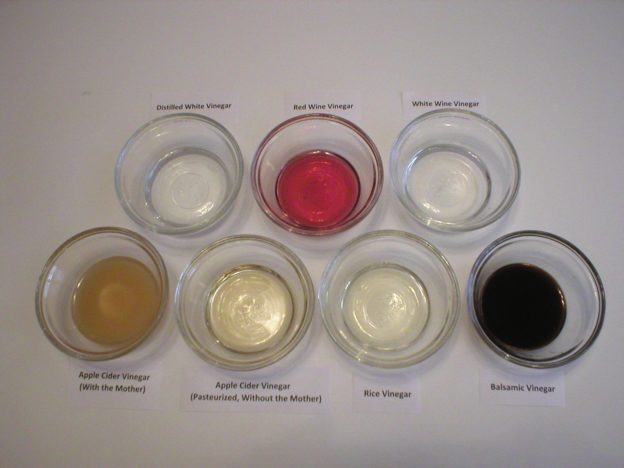
The “Mother” of vinegar is a mixture of cellulose and bacteria (or culture) that fermented the original liquid into vinegar. It is found in fermented alcohols and unpasteurized vinegars, most commonly in raw apple cider vinegar. It creates a cloudy appearance in the vinegar and is harmless to consume. It will not affect the flavor of the vinegar. In fact, the “M other” contains friendly probiotic bacteria, prebiotic fibers, and nutrients that can boost health.

Food Sensitivities
Gluten: Most vinegars do not contain gluten. However, some that are made with grains may contain gluten. This information is listed below each type of vinegar for clarification. When in doubt, check the label and ask your physician or dietitian, if necessary.

According to Shelly Case, RD (at https://shelleycase.com/is-vinegar-gluten-free/), the distillation process destroys gluten. So, if a vinegar (such as white vinegar) was made from wheat (a gluten-containing grain), and it was “distilled” the gluten has been removed or destroyed in the process and would therefore be safe to eat, even by those with gluten sensitivities. If the vinegar was made with a gluten-containing grain, such as wheat, and was not distilled, then the vinegar does still contain gluten, and would not be safe to eat by those with gluten sensitivities. Beware and read labels! This information is also confirmed by the FDA as stated here… https://www.glutenfreewatchdog.org/news/why-distillation-is-compatible-with-a-gluten-free-diet/

Sulfites: Most fermented foods contain naturally-occurring sulfites. However, naturally-occurring sulfites differ from those added as food preservatives, and usually present no problems to those with sulfite sensitivities. Some vinegars have added sulfites, whereas others do not. If you are sensitive to sulfites, always check the label before purchasing vinegar, and consult your physician if necessary.

Common Varieties of Vinegar

Apple Cider Vinegar: Also known as cider vinegar, this variety is pale brown with a mild apple flavor. It is made from fermented apple cider, unpasteurized apple juice, or apple pulp. It is inexpensive.

Best Uses: Apple cider vinegar is excellent in chutneys, stews, marinades, sweet pickles, and in coleslaw or salad dressings.

Food Sensitivities: Apple cider vinegar is naturally gluten-free.

Balsamic Vinegar: This is a dark, sweet vinegar that has been produced in Italy for over 800 years. It is usually made from whole processed red or white wine grapes (called “grape must,” or the crushed grapes including the seeds, peel and stems). The grape must is boiled to a concentrate, fermented, acidified, and then aged in wooden barrels for up to 50 years. The longer it is aged, the thicker, sweeter and pricier it gets.

Best Uses: Balsamic vinegar is excellent on strawberries, tomatoes, grilled meats and poached fruit. It can also be used in salad dressings, marinades, sauces, and soups. It is sometimes reduced into a thick sauce and served over fruit or ice cream.

Food Sensitivities: Balsamic vinegar is gluten-free and, like other vinegars, contains naturally occurring sulfites. Most balsamic vinegars will not have added sulfites, but if you are sensitive, it is advisable to always check the label before purchasing any balsamic vinegar.

Malt Vinegar: Malt vinegar is a dark, flavorful vinegar that is very popular with fish and chips in England. It comes from barley that was made into beer, then fermented into vinegar. It has a milder, sweeter and more complex flavor than plain white vinegar.

Best Uses: Malt vinegar is often used on French fries (and on fish and chips in the UK), and in making pickles.

Food Sensitivities: Malt vinegar is made from barley, which contains gluten. Therefore, if you have a sensitivity to gluten, you should avoid malt vinegar UNLESS it was distilled (which would have removed the gluten). Malt vinegar naturally contains a small amount of sulfites, less than 10 ppm. This is a very low level, which usually poses no issue, even for people who have a sulfite allergy. When in doubt, ask your physician!

Red Wine Vinegar: This vinegar is made from red wine and is usually aged in wooden barrels. It has a strong flavor that blends well in hearty dishes. Red wine vinegar is often used in French and Mediterranean cuisines and is less acidic than distilled or cider vinegars.

Best Uses: Red wine vinegar is excellent in salad dressings, stews, sauces, marinades, and with cooked meat and fish.

Food Sensitivities: Red wine vinegar is gluten-free since it is made with grapes. Like other vinegars, red wine vinegar will have naturally occurring sulfites. However, some brands of red wine vinegar have ADDED sulfites, whereas others do not. If you are sensitive to added sulfites, it is important to read the label before purchasing this type of vinegar.

Rice Vinegar: This type of vinegar is made from fermented rice. It is commonly referred to as rice wine vinegar. It has a mild, sweet flavor and is less acidic than other vinegars.

Best Uses: Rice vinegar is excellent in salad dressings, seafood marinades, and Asian cuisine in dishes like sushi, pickled ginger and seafood, and stir-fries.

Food Sensitivities: True rice vinegar (made only with rice and no other grains) is naturally gluten-free. However, some rice vinegars imported from Asia may contain a mixture of grains. If your rice vinegar was made only with rice OR was distilled, it is considered to be gluten-free. Otherwise, be sure to read the label carefully to be sure it does not contain something you might react to.

White Vinegar: This is also known as distilled vinegar or distilled white vinegar, and is made from fermented grains. It is clear, highly acidic, and has a very sour flavor. It is one of the least expensive vinegars and is now being used as a cleaning agent, especially for washing windows and cleaning coffee pots. It is not as strong as “cleaning vinegar,” yet it is still an effective cleaning agent.

Best Uses: White vinegar is excellent for preserving foods such as in pickling fruits and vegetables. It is also an effective antibacterial, grease, and mineral-removing cleaning agent.

Food Sensitivities: White vinegar is made from fermented grains, particularly wheat. If white vinegar was not distilled, it will still contain gluten. If the vinegar was distilled, it should contain no gluten. So, if you are sensitive to gluten, be sure to purchase white vinegar that has been distilled.

Cleaning White Vinegar: It’s important to note here that “cleaning white vinegar” is not the same as the age-old distilled white vinegar. Although they may look the same, cleaning vinegar is stronger and is not something to ingest. Cleaning vinegar is diluted to 6% acidity, whereas distilled white vinegar is diluted to 5% acidity. That one percentage point difference may seem small, but in vinegar terms, it equates to cleaning vinegar being 20% stronger than distilled white vinegar. It is TOO strong to ingest and can cause harm if consumed.

Some brands may also be scented with chemicals not intended for consumption. Hence, that’s one more reason not to add this type of vinegar to your salads! If you do use “cleaning vinegar,” I suggest you do not store it near your usual vinegars that you use in foods. You really don’t want to mix these up! Its added strength makes it a very effective cleaning agent. However, be careful what you apply cleaning vinegar to. Its strong acidity will damage hardwood floors, granite, marble, and metals. It is safe to use on bathroom ceramic surfaces, on glass, and in the laundry. Cleaning vinegar is more costly than distilled white vinegar.

White Wine Vinegar: The flavor of white wine vinegar will range from mild to very tangy, depending upon the type of wine used in its production. It is usually pale in color with a mild flavor. It is often used in French and Mediterranean cuisines.

Best Uses: White wine vinegar is excellent in vinaigrette dressings, vegetable dishes, soups, stews, pickled vegetables, and in cooking meat and fish.

Food Sensitivities: Since white wine vinegar is made from grapes, it is naturally gluten-free. The vinegar will contain naturally-occurring sulfites from the wine, and may or may not contain added sulfites. If you are sensitive to sulfites, please read the label before purchasing white wine vinegar.

Less Common Varieties of Vinegar

Black Vinegar: Black vinegar is also known as Chinkiang vinegar, and is usually made from glutinous rice or sorghum. It has a woody, smoky flavor. It is a common sour ingredient in foods found in southern China. In the United States, black vinegar is used as a dipping sauce for dumplings and in meat marinades.

Best Uses: Use black vinegar as a dipping sauce, and to flavor meats and stir-fries. It may be used as a less expensive alternative to balsamic vinegar.

Food Sensitivities: Traditional black vinegar, made from rice or sorghum would be naturally gluten-free. However, some varieties may have been made with added wheat, millet, peas, barley, bran and/or chaff (the outer husk of a grain). Wheat and barley contain gluten. So, if the vinegar was made with other grains in addition to rice and was not distilled, it may contain gluten. If you are gluten sensitive, be sure to read the label before purchasing any black vinegar.

Black vinegar may or may not have added sulfites. If you are sensitive to sulfites, reading labels is warranted.

Cane Vinegar: Cane vinegar is made from the syrup of sugar cane. It has a mellow flavor, similar to rice vinegar. It is not sweet since it contains no residual sugar. It is yellow to golden brown in color, and is less acidic than distilled vinegars. It is made in the Philippines, France, and Louisiana. It is called “sukang iloko” in the Philippines. Champagne, white wine, cider, and rice wine vinegars may be substituted for cane vinegar.

Best Uses: Cane vinegar is often used in sweet and sour dishes, and to flavor meats.

Food Sensitivities: Since cane vinegar is made from sugar cane, it is naturally gluten-free. However, it is important to check the label before purchasing cane vinegar, as it may contain other ingredients that may or may not contain gluten.

Cane vinegar usually does not contain added sulfites, but check the label before purchasing, as brand ingredients may vary.

Champagne Vinegar: This vinegar is made from a slightly dry white wine, made from the same grapes as champagne. It is made only in the Champagne region of France. It has a mild flavor.

Best Uses: Champagne vinegar may be used like any white wine vinegar. It is especially good on citrus salads, and in marinades and sauces.

Food Sensitivities: Champagne vinegar is naturally gluten-free since it is made from grapes. It will contain naturally-occurring sulfites from the wine. If you are sensitive to sulfites, check the label before purchasing to be sure it contains no added sulfites.

Coconut Palm Vinegar: This type of vinegar is made in Asian countries from the sap of the coconut palm tree, and/or the water of the coconut. It is a white, cloudy vinegar with a flavor ranging from mild to sharply acidic. All varieties have a faint flavor of yeast or must. A substitution would be 1 part rice or white vinegar, 1 part water, and a squeeze or two of fresh lime juice.

Best Uses: Coconut vinegar is usually used as a dipping condiment, and can be added to sauces, cooked foods and salads.

Food Sensitivities: Coconut vinegar should be naturally gluten-free. However, if you are gluten-sensitive, read the label before purchasing to be sure no gluten-containing ingredients have been added.

Flavored Vinegars: Some flavored vinegars, such as tarragon vinegar, are available in many grocery stores. However, many people make their own flavored vinegars by adding desired herbs, spices or flavorings to wine, rice, or cider vinegar. Colorado State University Extension has prepared an excellent website detailing how to make your own flavored vinegars, with specific recipes included. https://extension.colostate.edu/topic-areas/nutrition-food-safety-health/flavored-vinegars-and-oils-9-340/

Specialty flavored vinegars may also be purchased from select stores. The following are just a few (of many) online shops carrying flavored vinegars. Please note that I have no connection with any of them.

https://www.igourmet.com/shoppe/shoppe.aspx?cat=Vinegars&subcat=Flavored+Vinegar

https://theolivepress.com/shop/catalog/flavored/filters/page=allhttps://www.theolivetap.com/vinegars/

https://www.williams-sonoma.com/shop/food/vinegars/

Specialty vinegars may also be purchased at https://www.amazon.com/

Fruit Vinegars: In this case, we’re referring to vinegars made with fruit other than apples (as in apple cider vinegar). Fruit vinegars can be made with just about any fruit you want including, apples, apricots, grapes, pineapples, pomegranates, passion fruit, raisins, peaches, blackberries, raspberries, blueberries, figs, pears, cranberries, lemons, mangoes, oranges, plums, raisins, tomatoes, and more. Fruit vinegars may be purchased online and in some grocery stores. They can also be made at home.

Best Uses: Fruit vinegars add a sweet-tart flavor to whatever foods they’re served with. They pair well with extra virgin olive oil and have been used to flavor pork, turkey, chicken and fish. They add fruitiness to green salads, vegetables, and dips for fruit/cheese trays. They can also be used in marinades for a sweet-tart flavor.

Instructions for making your own fruit vinegars can be found on this and other websites: https://www.organicauthority.com/eco-chic-table/homemade-fruit-vinegar-recipe

DIY Fruit Vinegar Instructions, using strawberries, blueberries, figs, persimmons, or pears: https://www.foodrepublic.com/recipes/make-fruit-vinegar/

Red Rice Vinegar: This vinegar is made from fermented red yeast rice. It is milder in flavor than red wine vinegar. It is sweet, tart, and salty.

Best Uses: Red rice vinegar is often used in Chinese seafood dishes and dipping sauces.

Food Sensitivities: Sometimes barley and sorghum are added to red rice vinegar. Since barley contains gluten, this type of vinegar may contain gluten if it is not distilled. If you have a gluten sensitivity, it is important to check the label to see if it contains barley. If so, and if it was not distilled, it should be avoided.

Seasoned Rice Vinegar: This is rice vinegar with added sugar, salt, and sometimes sake or MSG (monosodium glutamate). Using this vinegar is an easy way to boost the sweet, salty, and tangy flavor of foods. It is found in the Asian section of some grocery stores.

Best Uses: Seasoned rice vinegar is often used in sushi and salad dressings.

Food Sensitivities: This rice should be naturally gluten-free, but check the label to be sure a gluten-containing ingredient was not added. Also, some people react to MSG. Read the label carefully if you have food sensitivities when choosing seasoned rice vinegar to be sure there are no added ingredients that you need to avoid.

Sherry Vinegar: True sherry vinegar is made in Spain from sherry wine, and is used in Spanish and French cuisine. The wine is aged for at least 6 months, with the resulting vinegar being aged from 2 to over 10 years. The older the vinegar, the darker the color, the more complex the flavor will be, and the more expensive it will be to buy. It has a bright, deep flavor. Some grocery stores may carry sherry vinegar. Wine vinegar may be used as a substitute for sherry vinegar.

Best Uses: Sherry vinegar can be used to flavor beans, marinara, soups, snap peas, tomatoes, and green salads.

Food Sensitivities: Since sherry vinegar is made ultimately from grapes, it is naturally gluten-free. It will contain naturally-occurring sulfites since it is made from wine. It is important to read labels since less-expensive brands may have additives.

Spirit Vinegar: Spirit vinegar (sometimes referred to as grain vinegar) is a colorless, strong vinegar made by a double fermentation process of a grain, usually barley. The first fermentation converts sugars to alcohol. The alcohol is distilled then subjected to the second fermentation, which converts the alcohol to acetic acid. It has a higher acidity than other vinegars. This vinegar is sometimes referred to interchangeably with distilled white vinegar. However, spirit vinegar contains a higher acid content than white vinegar, and it still contains a little alcohol, where white vinegar does not.

Best Uses: This type of vinegar is used mostly in pickling.

Food Sensitivities: Since spirit vinegar is made with distilled liquids, it is considered to be gluten-free.

About Judi
Julia W. Klee (Judi) began her journey enjoying “all things food” in elementary school when she started preparing meals for her family. That love of food blossomed into a quest to learn more and more about health and wellness as related to nutrition. She went on to earn a BS Degree in Food and Nutrition, then an MS Degree in Nutrition. She has taught nutrition and related courses at the college level to pre-nursing and exercise science students. Her hunger to learn didn’t stop upon graduation from college. She continues to research on a regular basis about nutrition as it relates to health. Her hope is to help as many people as possible to enjoy foods that promote health and wellness.

Resources
https://www.foodnetwork.com/healthyeats/healthy-tips/2011/08/vinegar-101

https://en.m.wikipedia.org/wiki/Vinegar

https://www.livestrong.com/article/21611-nutritional-value-vinegar/

https://www.hsph.harvard.edu/nutritionsource/food-features/vinegar/

https://www.livestrong.com/article/555379-how-to-store-opened-bottles-of-apple-cider-vinegar/

https://www.doesitgobad.com/does-apple-cider-vinegar-go-bad/

https://www.finecooking.com/ingredient/malt-vinegar

https://www.foodrepublic.com/2012/04/06/what-is-malt-vinegar/

https://www.foodandwine.com/condiments/what-you-need-know-spring-about-many-types-vinegar

https://lifehealthhq.com/whole30-vinegar/

https://www.beyondceliac.org/gluten-free-diet/is-it-gluten-free/vinegar/

https://www.verywellhealth.com/sulfite-allergy-82911

https://www.verywellfit.com/is-vinegar-gluten-free-562363

http://www.heinzvinegar.com/products-red-wine-vinegar.aspx

https://shelleycase.com/is-vinegar-gluten-free/

https://www.glutenfreewatchdog.org/news/why-distillation-is-compatible-with-a-gluten-free-diet/

https://en.wikipedia.org/wiki/Black_vinegar

http://thebaldgourmet.com/focus-ingredient-what-is-chinese-black-vinegar/

https://www.cooksinfo.com/champagne-vinegar

https://www.cooksinfo.com/cane-vinegar

https://aussietaste.com.au/glossary/oils-and-vinegars-a-to-z/cane-vinegar/

https://extension.colostate.edu/topic-areas/nutrition-food-safety-health/flavored-vinegars-and-oils-9-340/

https://www.cooksinfo.com/palm-vinegar

https://www.cooksinfo.com/vinegar

https://www.bonappetit.com/story/what-is-sherry-vinegar

https://en.wikipedia.org/wiki/Sherry_vinegar

https://www.livestrong.com/article/262961-what-are-the-benefits-of-coconut-vinegar/

https://www.webstaurantstore.com/article/373/types-of-vinegar.html

https://www.thekitchn.com/rice-vinegar-ingredient-spotlight-184260

https://www.finecooking.com/article/whats-seasoned-rice-vinegar

https://www.theolivetap.com/product/vinegars/balsamic-vinegars/white-balsamic-vinegars/peach-white-balsamic-vinegar/

https://www.glutenfreedietitian.com/vinegar/

https://www.simplyrecipes.com/a_guide_to_balsamic_vinegar/

https://fantasticservicesgroup.com.au/blog/cleaning-vinegar-vs-normal-vinegar-whats-the-difference/

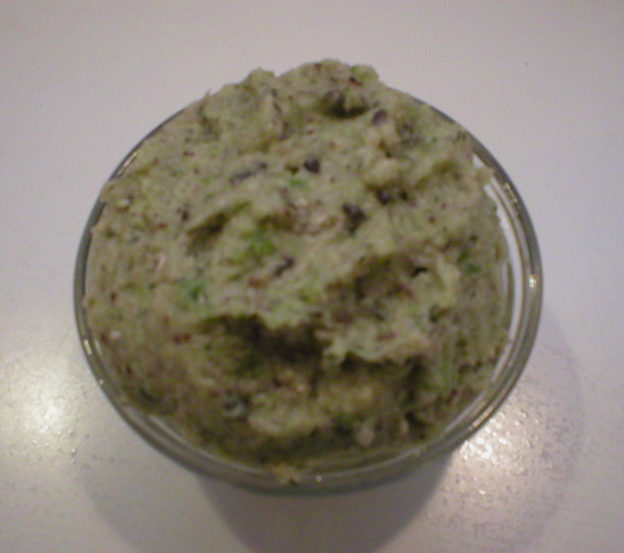
Carrot Pineapple Salad with Rainbow Carrots

Carrot Pineapple Salad with Rainbow Carrots

Here’s a delicious Carrot Pineapple Salad recipe using rainbow carrots. Of course, if you can’t get rainbow carrots, regular carrots could also be used. It has only 5 ingredients and it’s super simple! Below is a video demonstration of making the recipe. The written recipe is below the video.

Enjoy!
Judi

Carrot Pineapple Salad
Makes 6 Generous Servings

3 cups shredded rainbow carrots*
1 (8 oz) can crushed pineapple or pineapple tidbits (NOT drained), packed in juice
1/3 cup chopped walnuts (optional)
¼ cup raisins
2 Tbsp frozen orange juice concentrate, thawed

Place all ingredients in a large bowl and stir to combine. Transfer salad to a container with a lid and place in the refrigerator for 4 hours or overnight to allow flavors to blend. Enjoy!

*If you can’t find rainbow carrots, simply use regular carrots instead.