
Category Archives: Food

Tofu

Tofu 101 – The Basics


About Tofu
Soy is a type of legume (Glycine max) that is native to East Asia. It is widely grown for its edible bean. Soy is classified as an oil seed and not a pulse because of its fat content. Tofu, also known as bean curd, is made from the milk of soybeans that is coagulated, followed by pressing the curds into solid blocks of varying softness. The blocks are called tofu. Tofu can be silken (the softest form), soft, firm, extra firm, or super firm. There are different types of coagulants used to make the curd, with the three commonly used types being calcium sulfate, magnesium chloride, and calcium chloride. Acids such as glucono delta-lactone, and enzymes such as papain and proteases may also be used in the coagulation process.

There are two general categories of soy foods, fermented and unfermented. Fermented soy foods include natto, tempeh, and miso. Unfermented soy foods include soymilk and tofu. Globally, most soy is consumed in the unfermented form (excluding soy sauce, which is considered to be a condiment, not a food).

Tofu appears to have originated in China around 200 BC, but evidence suggests it may have been cultivated much earlier than that. Tofu has been made into many forms and flavors, including different degrees of firmness, sheets and sticks, fermented, and smoked. Across Asia, it is typically served fried, marinated, and stuffed. Silken tofu is not pressed and can be about the thickness of custard. Firmer varieties of tofu that have been pressed to remove the liquid, can be more like a soft cheese.

Silken tofu is the most common type, often used in making dressings, sauces, smoothies, and yogurt and egg substitutes. The market for tofu us growing, as it is promoted as a good source of protein that can easily be used as a meat substitute in plant-based diets. It is widely used in multiple global cuisines, with its popularity increasing because of its health benefits, and effectiveness in absorbing flavors from spices, seasonings, sauces, and marinades. The growing trend in plant-based cuisine has helped to fuel a sharp rise in the consumption of tofu and other soy products in recent years.


Nutrition and Health Benefits

Tofu is high in protein and contains all of the essential amino acids needed by humans. Tofu and other soy products are eaten as a source of complete protein by many people around the world. Tofu is an easy to digest, inexpensive, and nutritious food.

The nutrient content of tofu depends on the type of coagulant used in the processing and also its degree of firmness. Firmer tofu has a higher nutrient content than does softer tofu. Overall, tofu is naturally low in fat and contains a wide array of nutrients including copper, manganese, phosphorus, iron, magnesium, zinc, potassium, selenium, thiamin, riboflavin, niacin, folate, choline, Vitamin K, calcium, and even a little Vitamin A. It is considered to be a very nutrient-dense food.

Protein:  A lot of research has been conducted on the protein quality of soy. Its protein is well-digested and has an essential amino acid content that closely matches human needs. Therefore, soy is considered to be a complete protein. It has been rated slightly higher in protein quality than beef, and much higher than that of some plant proteins including kidney beans, pinto beans, rice, and wheat. Because of these factors, soy products like tofu offer high quality protein comparable to animal protein.

Isoflavones: Soybeans contain natural compounds called isoflavones. These compounds function as phytoestrogens (plant estrogens), potentially attaching to and activating estrogen receptors in the body. Regarding some functions in the body, isoflavones can act like a weak form of estrogen, whereas in other functions, they don’t have any estrogen-like effect. The amount of isoflavones in a soy food varies depending on the type of product examined. For instance, one 3.5 ounce serving of firm, calcium-set tofu has about 60 mg of soy isoflavones, whereas 1 cup of soy milk contains about 28 mg. Many of the health benefits of tofu, including the reduced risk of cancer, diabetes, and heart disease, have been attributed to its high isoflavone content.

Cardiovascular Health. Soy foods such as tofu are becoming known for their cholesterol-lowering effects. The evidence is strong enough that regulators in both the United States and Canada have approved health claims linking soy protein to a lower risk of heart disease. In a meta-analysis of 46 studies reported in the June 2019 issue of the Journal of Nutrition, researchers reported that soy protein was found to lower LDL (bad) cholesterol by 3 to 4 percent while also lowering levels of total cholesterol. Experts believe that tofu’s combination of fiber, protein, and isoflavones may promote its heart health benefits. This specific combination may also explain why whole soy foods, such as tofu, appear to be more beneficial for reducing cholesterol levels than soy supplements.

Eases Hot Flashes of Menopause. The soy in tofu may have benefits for women going through menopause. Researchers have found that when soy is added to a low-fat, plant-based diet, hot flashes in menopausal women were reduced by 84 percent. The level of the hormone estrogen drops as women approach menopause. Isoflavones in soybeans and tofu have been found to mimic the effects of estrogen in the body. This may explain why menopausal women who eat soy products have fewer hot flashes than those who do not consume soy.

Reduced Risk of Some Cancers. Some research studies suggest that regular consumption of soy helps to slow the progression or decrease the risk of certain cancers. A study reported in a 2018 issue of the journal Nutrients revealed that soybean intake may help to keep prostate-specific antigen levels low in men diagnosed with prostate cancer. This effect may slow or even stop the progression of prostate cancer.

Isoflavones in tofu have been found to reduce the risk of developing breast and ovarian cancers in women. However, this effect has not been confirmed in postmenopausal women.

In the September 2022 issue of the journal Frontiers in Nutrition, researchers reported the results of a meta-analysis of 81 studies, and found that a higher intake of soy was significantly associated with an overall 10 percent reduced risk of cancer. Each additional 25 grams per day of soy intake lowered the risk of cancer by 4 percent. The reduced cancer risk was attributed to the isoflavones in soy. The effects were primarily associated with reduced risk of lung and prostate cancers.

In the January 2020 issue of the journal PLOS One, researchers reported the results of a meta-analysis of 14 studies and found that in five case-control studies there was a 10 percent reduction in the risk of breast cancer for each 10 gram per day increase in tofu consumption. Their findings suggested an inverse dose-response association between tofu intake and the risk of developing breast cancer.

In the April 2024 issue of the journal Nutrients, researchers reported the results of a comprehensive meta-analysis of 52 studies on the association between soy consumption and total cancer risk. They found that a high consumption of soy products including tofu and soymilk was associated with reduced total cancer risk. The greater the intake of soy, the greater the protection from cancer, with a 23 gram per day intake of soymilk reducing cancer risk by 28 percent. Among all of the soy products tested, the greatest protection against cancer was associated with a higher consumption of soymilk and tofu.

Tofu is often celebrated for its ability to absorb the flavor of whatever it is cooked or seasoned with. There are almost unlimited ways to include tofu in your diet. Just beware that not all ways are good for you. Do your best to avoid preparations with excess sugar, salt, or saturated fat, so you don’t counteract the health benefits of this versatile food.


The Different Types of Tofu

There are a variety of different types of tofu available in most grocery stores. Knowing about their differences can help you to decide which form will be best for your intended use.

Silken: Silken tofu is the softest form of tofu. It is sometimes referred to as Japanese-style tofu. It is used in creamy and smooth dishes, and can be the base of a creamy pasta sauce or included in a smoothie.

Soft or Medium Tofu: This form of tofu is more dense than silken tofu, but it is still tender. This works well as an egg replacement in scrambles or in recipes where the tofu does not need to hold a specific shape.

Firm: Firm tofu can be cut and will hold its shape relatively well. This type of tofu is a solid block that can be used in stir-fries, as a baked snack, or used in place of meat in recipes.

Extra Firm: This type of tofu is a dense form of tofu that can be used in many ways. It has been pressed with most, but not all, of its water removed. From pan-frying, to grilling (prepared with a non-stick cooking spray or oil), air frying, or baking, extra firm tofu will keep its shape. This type can be marinated since it absorbs flavors well.

Super Firm: Super firm tofu is tofu that has already been pressed with most of its water content removed. It is a block that is both dense and solid. It’s excellent for a “meaty” type of dish, including stir-fries, sandwiches, salads, and burgers.

Smoked: This is tofu for sale that has already been smoked and seasoned. It is available commercially, but you may have to search a bit to find it. If you prefer to make your own, recipes for smoked tofu are plentiful on the Internet.

Tofu Skin (Yuba): Tofu skin, or yuba in Japanese, is the skin of soy milk that forms as a by-product during the making of tofu. It is made by removing the rich, fatty film of coagulated proteins that forms on the surface of the heated soy milk. The skin is then dried and processed into different products. It is like a concentrated version of tofu, being higher in protein, with a rich flavor and smooth texture.


How to Store Tofu

Tofu that has been removed from its original packaging should be placed in an airtight container and stored in the refrigerator. It should be used within one week of purchase. If you cannot use it within that time, remove any liquid from the container and slice the tofu. Place it in the freezer for up to three months. To thaw the frozen tofu, place it in the refrigerator overnight, then use as desired.

Here’s a tip for helping your tofu to last a little longer. If you won’t be using an entire block of tofu at one time, put the unused tofu in a container, cover it with fresh water, place the lid on the container and store it in the refrigerator. Change the water every day and use it within five days.

Tofu should be a creamy white or off-white in color and have a neutral scent. If it darkens in color, begins to smell, or feels slimy, it should be discarded.


Quick Ideas and Tips for Using Tofu
* Tofu can be eaten cooked or uncooked, hot or cold. It can be baked, fried, sautéed, air-fried, scrambled, stir-fried, marinated, blended into dips, sauces, and smoothies, and used in just about any way imaginable.

* Since tofu has a bland flavor, it can easily be included in many recipes for added texture and nutrition without imparting a big change in the flavor of the dish.

* The shelf life of an unopened container of tofu can last for months, so it’s a good staple to have on-hand in case of an emergency where there is a food shortage.

* If you have more tofu than you can eat within a reasonable amount of time, try freezing it. Drain the liquid it came in and pat it dry. Slice the block into thin pieces and place it in an airtight container. Keep it in the freezer for up to three months. To thaw the frozen tofu, place it in the refrigerator overnight. It should be ready to use the next day.

* Tofu can be used as a meatless option that can be swapped out for meat in a variety of recipes. Let your imagination be your guide!

* Recipes often call for pressing tofu to remove excess water and achieve a heartier, denser texture that does not fall apart. To press tofu, remove it from the package and wrap it in a paper or cloth towel. Place the wrapped tofu between two plates and place something heavy on top. A pot or bag of flour should work. Depending on the firmness you want, press the tofu anywhere from 20 minutes to several hours. It may be necessary to remove excess liquid from the bottom plate during the process. For those who do not want to do this procedure, commercial tofu presses are available online, and possibly in your local Asian market.

* If you press your tofu, you can cut it into any shape you want. Cubes, triangles, thin strips, thin slices, crumbled, cut with cookie cutters, or blended into a sauce are just some options.

* Tofu is completely safe to eat raw. Whether pressed or marinated, you can use it raw in salads, smoothies, or enjoy it as a protein-rich snack.

* When using tofu in a stir-fry, add it at the last minute to keep its shape and texture. Overcooking softens tofu.

* Since the flavor of tofu is bland, marinating it is a popular way to give it a flavor of choice. Marinate tofu by using wet or dry seasonings and let it soak in the flavors. Marinating can be done just before cooking or using tofu, or it can be done several hours in advance.

* Tofu is a versatile food that can be eaten with grains (such as rice, quinoa, barley, millet, and more), pasta, vegetables of choice, salads, buddha bowls, and even fruits of choice.

* When baking, finely mashed tofu can be used as a one-for-one substitute for sour cream.

* Baking tofu is an easy way to prepare it. Place the tofu on a baking tray and place it in the oven. The time and temperature can vary according to your specific recipe. Once you follow a recipe one time, you can get an idea of how long to bake it and the temperature you prefer to get the texture/crispness you prefer.

* Tofu can be used in place of meat in a lot of dishes, such as chili. It can also be crumbled and baked dry then added to sloppy joes. Freezing tofu for two days in advance, then thawing it before including it in chili or sloppy joes can help to give it a firmer, meatier texture.

* To cook tofu on the stovetop, warm a pan on the stove with a little oil in it. When the oil is hot, add the tofu and sear the outside of the tofu without overcooking it and drying it out. This should not take long.

* Tofu can be grilled to give it a smokey flavor and crisp outside. This method works well in giving the tofu a grilled, smokey flavor along with appealing grill lines.

* Fresh tofu is often sold as blocks packed in water. Such packages must be kept refrigerated. When opened, the water should be changed daily. Do not purchase such a container if it seems bloated. Discard any tofu with a strong odor.

* Crumble firm tofu like a dry cheese over tacos, taco salad, burritos, and scrambled eggs.

* Make a dip for fresh fruit by blending tofu with a fruit puree and vanilla or almond extract.

* Make a parfait by layering tofu that has been blended with fruit, then crushed cookies, granola, or toasted graham crackers.

* Marinate tofu cubes, then skewer with vegetables for grilled kebabs.

* When blended, tofu has a creamy texture, so it can readily be used in a mousse or pudding, and even as a substitute for ricotta cheese in lasagna or stuffed pasta shells.

* Boiling tofu can help improve its texture. Cube the tofu while bringing a pot of generously salted water to a boil. Add the prepared tofu and boil it in the salted water for 2 minutes. This will make the cubed tofu chewier and better able to absorb flavors.

* Press your tofu to remove excess water. Then soak it with a steak marinade. Grill the marinaded tofu with onions and barbecue sauce, and serve on a toasted bun.

* Coat your pressed tofu with cornstarch, pan fry, and serve it with honey mustard. Add sweet potato fries as a side dish, and it will remind you of chicken nuggets.

* Replace chicken parmesan with pressed tofu that was coated with an Italian marinade mix and bread crumbs. Bake or fry it as you would chicken.


Herbs/Spices That Go Well with Tofu

Basil, cilantro, cinnamon, cumin, curry powder, dill, five-spice powder, ginger, lemongrass, mint, mustard, pepper, rosemary, salt, star anise

Foods That Go Well with Tofu
Proteins, Legumes, Nuts, and Seeds: Beans (esp. black, green, pinto), black bean paste (fermented), cashews, peanuts, peanut sauce, pumpkin seeds, sesame seeds, sesame sauce, walnuts

Vegetables: Asparagus, bell peppers, bok choy, broccoli, broccoli rabe, cabbage (esp. Chinese, Napa), carrots, celery, chard, chiles, daikon, eggplant, garlic, greens, kale, leeks, mushrooms, nori (seaweed), onions, scallions, sea vegetables, snap peas, snow peas, spinach, squash (winter), tomatoes, watercress, zucchini

Fruits: Avocado, coconut, lemon, lime, orange, plum sauce, pumpkin

Grains and Grain Products: Cornmeal, whole grains (in general), millet, noodles, quinoa, rice

Dairy and Non-Dairy: Coconut milk

Other Foods: Hoisin sauce, honey, maple syrup, miso, oil, soy sauce, stock (vegetable), sugar (esp. brown), tamari, vinegar, wine

Tofu has been used in the following cuisines and dishes…
Asian cuisines, grain and vegetable “bowls,” cheesecakes, chili (vegetarian), curries, desserts, dips, dressings, Japanese cuisine, kebabs, Korean cuisine, mayonnaise, pad thai, salads, salad dressings, sandwiches, satays, sauces, scrambles, skewers, soups, spreads, spring rolls, stir-fries, Thai cuisine, vegetable burgers

Suggested Flavor Combos Using Tofu
Add tofu to any of the following combinations…

Asparagus + cashews + mushrooms
Asparagus + sesame
Balsamic vinegar + basil + lemon + soy sauce
Black beans + tomatoes + zucchini
Bok choy + garlic + sesame
Butternut squash + curry + peas
Coconut milk + ginger + lemongrass
Garlic + ginger + honey + mustard + soy sauce
Garlic + ginger + rice vinegar + sesame oil + soy sauce
Garlic + lemon + soy sauce
Garlic + mushrooms + spinach
Ginger + rice + soy sauce
Ginger + scallions + tamari
Lemon + miso + parsley + sesame

Recipe Links
49 Tofu Recipes Everyone Will Devour https://www.foodnetwork.com/recipes/photos/our-top-tofu-recipes

Tofu That Tastes Good: Stir-Fry https://minimalistbaker.com/tofu-that-tastes-good-stir-fry/#wprm-recipe-container-36083

Tofu Stir-Fry https://www.wellplated.com/tofu-stir-fry/#wprm-recipe-container-37123

How to Cook Tofu https://www.loveandlemons.com/how-to-cook-tofu/#wprm-recipe-container-42518

30 Terrific Tofu Recipes https://www.foodandwine.com/beans-legumes/soy/tofu-recipes

27 Killer Tofu Recipes That Give Meat a Run for its Money https://www.delish.com/cooking/g26001696/tofu-recipes/

12 Easy Tofu Recipes Perfect for People Who Have Never Tried It https://workweeklunch.com/tofu-recipes/?gad_source=1&gclid=CjwKCAjwtqmwBhBVEiwAL-WAYT9_T77O-HHW35I5RYVOV4aEK3ga25OV8TadY6bhq6kZmVkusNF8YhoCsHwQAvD_BwE

Easy Tofu Recipe https://www.sharethespice.com/easy-tofu-recipe/#recipe

Basic Tofu and Broccoli https://wicworks.fns.usda.gov/recipe/basic-tofu-and-broccoli

Pink Shake https://wicworks.fns.usda.gov/recipe/pink-shake

TexMex Tofu Scramble https://wicworks.fns.usda.gov/recipe/texmex-tofu-scramble

Tofu “Ground Meat” Crumbles https://wicworks.fns.usda.gov/recipe/tofu-ground-meat-crumbles

Watermelon, Cucumber, Balsamic Salad https://wicworks.fns.usda.gov/recipe/watermelon-cucumber-balsamic-salad

Tofu Pesto Sauce https://wicworks.fns.usda.gov/recipe/tofu-pesto-sauce

The Easiest Crispy Tofu Recipe https://frommybowl.com/crispy-tofu-recipe/#tasty-recipes-4868-jump-target

40 Terrific Tofu Recipes https://rainbowplantlife.com/tofu-recipes/

41 Brilliant Ways to Spice Up Boring Tofu https://greatist.com/health/healthy-tofu-recipes

30 Easy Tofu Recipes https://theplantbasedschool.com/tofu-recipes/

How to Cook Tofu That Actually Tastes Good https://www.goodhousekeeping.com/food-recipes/healthy/a18093/easy-tofu-cooking-tips-47012001/

Crispy Lemon Pepper Tofu (Air Fryer) https://naturallieplantbased.com/lemon-pepper-tofu/

Teriyaki Tofu Recipe https://naturallieplantbased.com/crispy-teriyaki-tofu/#recipe

68 Delicious Ways to Use Tofu https://ohmyveggies.com/68-delicious-ways-to-use-tofu/


Resources
https://wicworks.fns.usda.gov/resources/what-do-i-do-tofu

https://plantbasedandbroke.com/super-firm-vs-extra-firm-tofu/#what-is-super-firm-tofu

http://www.tofupedia.com/en/tofu-bereiden/soorten-tofu/

https://www.bonappetit.com/story/tofu-skin

https://www.latimes.com/archives/la-xpm-1996-09-26-fo-47539-story.html

https://www.loveandlemons.com/how-to-cook-tofu/

https://rainbowplantlife.com/tofu-recipes/

https://www.goodhousekeeping.com/food-recipes/healthy/a18093/easy-tofu-cooking-tips-47012001/

https://www.americastestkitchen.com/articles/7581-how-long-does-tofu-last-how-to-store

https://fdc.nal.usda.gov/fdc-app.html#/food-details/172475/nutrients

https://cronometer.com

https://ussoy.org/what-is-tofu-tofu-nutrition-and-more/

https://www.ncbi.nlm.nih.gov/pmc/articles/PMC9410752/

https://www.healthline.com/nutrition/what-is-tofu#nutrition

https://www.verywellfit.com/tofu-nutrition-facts-calories-and-health-benefits-4113988

https://www.marketresearchfuture.com/press-release/tofu-market

https://www.heart.org/en/news/2022/10/10/clearing-up-questions-on-whether-tofu-is-healthy

https://www.ncbi.nlm.nih.gov/pmc/articles/PMC5409663/

https://www.health.com/nutrition/is-tofu-healthy

https://www.ncbi.nlm.nih.gov/pmc/articles/PMC8931954/

https://www.ncbi.nlm.nih.gov/pmc/articles/PMC6946133/

https://www.ncbi.nlm.nih.gov/pmc/articles/PMC11013307/

https://www.heart.org/en/news/2022/10/10/clearing-up-questions-on-whether-tofu-is-healthy

Page, Karen. (2014) The Vegetarian Flavor Bible. New York, NY: Little, Brown and Company.


About Judi

Julia W. Klee (Judi) began her journey enjoying “all things food” in elementary school when she started preparing meals for her family. That love of food blossomed into a quest to learn more and more about health and wellness as related to nutrition. She went on to earn a BS Degree in Food and Nutrition, then an MS Degree in Nutrition. She has taught nutrition and related courses at the college level to pre-nursing and exercise science students. Her hunger to learn didn’t stop upon graduation from college. She continues to research on a regular basis about nutrition as it relates to health. Her hope is to help as many people as possible to enjoy foods that promote health and wellness.

Fruits and Vegetables

Lutein and Zeaxanthin 101

Lutein and Zeaxanthin 101

What are lutein and zeaxanthin?
When reading about nutrition, we often encounter the mention and benefits of lutein and zeaxanthin in some plant foods. Many people may not be sure as to what these compounds are, so this research project was written to help explain what they are, where they are found in nature, their health implications, and how we can realize the most benefit from them.

Lutein and zeaxanthin are carotenoid pigments that serve as powerful antioxidants in the body. Carotenoids are plant pigments commonly found in fruits and vegetables and are divided into two subgroups: carotenes and xanthophylls. Beta-carotene and lycopene are examples of carotenes. Lutein and zeaxanthin are examples of xanthophylls. Carotenoids have properties similar to lipids (fats), making them fat-soluble antioxidants. Carotenoids are found throughout the body; however, the carotenoids lutein and zeaxanthin accumulate selectively in the eyes and brain. In the eyes, they provide the yellow pigment in the macula, along with the non-dietary factor, meso-zeaxanthin.

Antioxidants are critical compounds for good health because they protect the body from harmful unstable free radical molecules. Such molecules can damage cells, contribute to aging, and lead to the progression of diseases like heart disease, cancer, Type 2 diabetes, Alzheimer’s disease, and eye diseases.

Lutein and zeaxanthin are structurally very similar, with only slight differences in the arrangement of atoms.  About 80% of people convert some lutein into meso-zeaxanthin, another form of antioxidant. These three pigments (lutein, meso-zeaxanthin, and zeaxanthin) accumulate in the retina of the eye, specifically the macula. They are sometimes referred to as macular pigments, and are well-known for working together to protect the eyes from damage and disease. Those who are not able to convert lutein into meso-zeaxanthin are most prone to developing age-related macular degeneration.

Both lutein and zeaxanthin provide yellow or orange color to common foods, such as cantaloupe, corn, carrots, orange/yellow peppers, salmon, and egg yolks. They are also found in dark green leafy vegetables. In green vegetables, their yellow or orange pigments are masked by green chlorophyll, giving them their dark green color.


What is their function in human health and nutrition?

The role of lutein and zeaxanthin in human health has been well established from scientific research studies. Primarily, inadequate lutein and zeaxanthin are related to age-related macular degeneration (AMD) and cataracts.

Age-Related Macular Degeneration (AMD), Loss of Central Vision. Age-related macular degeneration (AMD) is the main cause of vision loss in people over age 50. AMD occurs when part of the retina, the macula, is damaged, causing a loss of central vision. Lutein and zeaxanthin are both especially important for the health of the eyes since they are the main pigments found in the yellow spot of the human retina. This area protects the macula from damage by blue light. Also, they are the only dietary carotenoids found in the retina of the eye.

There are seven colors in the visible light spectrum, with blue being one of them. Together, they make up the white light we see when we are in sunlight. The sun is the main source of blue light, but it is also emitted by computers, smartphones, televisions, fluorescent, and LED light bulbs. Natural blue light helps to regulate the circadian rhythm, or wake-sleep cycle, so it is important for all of us, especially children. Research has shown that blue light can boost alertness, improve attention span and reaction time, help memory, and improve mood. It has been used to treat various skin conditions such as acne, precancerous actinic keratoses, and some skin cancers.

Because of ever-increasing use of technology, we are exposing our eyes to more and more amounts of blue light. Unfortunately, blue light is hard for the eyes to block, and almost all of it travels to the retina of our eyes. Continuous exposure to blue light can damage retinal cells causing AMD, eye cancer, cataracts, and more. Eye strain from digital devices can result in dry eyes, watery eyes and tearing, blurred vision, headache, tired eyes, irritation, and soreness.

Lutein and zeaxanthin act as a natural sunblock by absorbing excess light energy. They are believed to protect eyes from harmful blue light. They also improve visual acuity by acting as powerful antioxidants, destroying harmful reactive oxygen species (free radical molecules). Adequate intake of lutein and zeaxanthin have been linked with reduced risk of AMD and cataracts. With AMD being the leading cause of blindness in people over age 65 living in industrial countries, and cataracts being the leading cause of blindness in those over age 40 in developing countries, it is extremely important for everyone to get plenty of lutein and zeaxanthin from fresh, colorful foods in their diet.

Cataracts. A cataract develops when the lens of the eye becomes cloudy and impairs vision. There are three main types of cataracts: nuclear sclerotic, cortical, and posterior subcapsular cataract. The types are differentiated by where and how they develop in the eye.

Nuclear Sclerotic Cataract. This type of cataract refers to the hardening of the center (or nucleus) of the lens of the eye. In the early stages, the lens becomes cloudy and yellow, then eventually hardens. As this type of cataract progresses, it changes the eye’s ability to focus and see clearly.

Cortical Cataract. With this type of cataract, areas of white cloudiness develop in the outer edges of the lens (the cortex), spreading inward, having the appearance of a spoke wheel or a star pattern. This condition scatters light entering the eye, causing blurred vision and glare. The individual may have difficulty judging contrast and depth perception.

Posterior Subcapsular Cataract. This type of cataract begins as a small, cloudy or opaque area in the back (posterior) of the lens. It develops on the underside or beneath the lens capsule (hence the term “subcapsular”). The lens capsule surrounds the lens and holds it in place. This type of condition usually develops quickly and symptoms are often noticed within just a few months of being developed. The person may notice a glare or halo effect around lights and may also have a hard time reading.

In a meta-analysis reported in the January 2014 issue of the journal Nutrients, researchers studied the association between lutein and zeaxanthin status and the risk of developing age-related cataracts. They found a significant correlation between high blood levels of lutein and zeaxanthin with a decreased risk of nuclear cataract. They also found that a high blood level of lutein and zeaxanthin was associated with a reduced risk of subcapsular and cortical cataracts, although the association was not significant.


What foods contain lutein and zeaxanthin?

Lutein and zeaxanthin are found in most fruits and vegetables, but green and yellow foods have the highest amounts. They are fat-soluble antioxidants, so including a small amount of a fat source in your meal, such as avocado, nuts, seeds, olives or olive oil may help to increase their absorption rate.

According to the USDA Database, the following foods are among the highest in their content of lutein and zeaxanthin (listed in descending order). Note that this list is not all-inclusive, and some of the foods on the chart are cooked, while others are raw. To see the entire list, please visit https://www.nal.usda.gov/sites/default/files/page-files/Lutein_zeaxanthin.pdf

Spinach
Turnip Greens
Cress
Peas, Green
Kale
Corn
Squash (summer)
Broccoli
Asparagus
Brussels Sprouts
Leeks
Beans, Snap
Beet Greens
Celery
Broccoli Rabe
Okra
Carrots
Tomatoes
Egg Yolk
Tangerines
Kiwi Fruit

Do lutein and zeaxanthin survive cooking?
It is important to know that cooking some types of food containing lutein and zeaxanthin reduces their concentrations in the food, although it does not completely destroy these important antioxidants. Yet, cooking can also increase the availability of these antioxidants in other foods. So, there is not one clear answer to the question that applies to all plant foods. When you prefer to cook your vegetables, lightly steaming them is often the best way to cook them while preserving the most nutrients. To get the most out of your leafy greens, check the USDA .pdf document linked in the second paragraph under the topic “What foods contain lutein and zeaxanthin?”. Some foods in the list are cooked while others are raw. The lutein plus zeaxanthin content (combined) is listed on the chart for each food.

Are lutein and zeaxanthin supplements effective?
There are not a lot of research studies examining the effects of supplemental lutein and zeaxanthin as compared with direct intake from food. But, from the following studies, it appears that supplemental intake of these antioxidants may be effective.

In the August 10, 2018 issue of the journal Nutrients, researchers reported the results of a study where they tested the effects on eye health of supplemental lutein and zeaxanthin for 8 months in 72 postmenopausal women. Levels of lutein and zeaxanthin were tested both before and after treatment. Dietary intake of these antioxidants was also taken into account. They found that their serum concentrations of both lutein and zeaxanthin increased with the supplementation.

In the February 2022 issue of the journal Nutrients, researchers summarized current data on the role of lutein and zeaxanthin presented from human studies targeting their metabolism and bioavailability, with recommendations to consume foods rich in these antioxidants. They state that these antioxidants are extremely important for the proper functioning of certain organs of the body, namely the eyes, skin, heart, and intestines. They stated that supportive therapy with lutein and zeaxanthin can have a beneficial effect in delaying the progression of eye diseases such as age-related macular degeneration and cataracts. The concluded that dietary supplementation with lutein and zeaxanthin is recommended for the prevention of retinal diseases. A diet rich in the pigment xanthophylls (the class under which lutein and zeaxanthin fall) increases their amount in the macula, although no supplementation can replace a well-chosen diet.

Considering all factors, it is very likely best to consume all carotenoids and antioxidants from whole foods, but when that is not possible, supplementation may help. In fact, some ophthalmologists recommend lutein and zeaxanthin supplementation in AMD patients or in those whose eye health may benefit. There are a number of different supplement brands and formulas containing lutein and zeaxanthin available on the market. Bear in mind that supplements should be used in addition to eating foods that contain such nutrients. Supplements should not be used as a food replacement. They are never equivalent, because whole foods contain other components that may enhance the effect of the ingredient you are seeking. Supplements are isolated components of food, lacking the additional, sometimes yet-to-be-discovered compounds found in whole foods that may work synergistically with the intended nutrient.

Caution: Lutein and zeaxanthin are generally recognized as safe. However, consuming high levels of lutein in supplement form in addition to eating a lot of foods high in this nutrient may not be advised. In a March 2018 issue of the journal Advances in Nutrition, researchers cited a case study involving a woman who took 20 mg of lutein supplement daily for 8 years, in addition to consuming a diet unusually high in lutein. She developed crystals in both eyes due to the overdose of lutein. Seven months after discontinuing the lutein supplement, but continuing with her usual diet, the crystals resolved in one eye, but not in the other.

To prevent such an occurrence, it is easy to monitor the nutrients in your own diet, free of charge. Simply establish a profile with https://www.cronometer.com and use their free software by entering your food intake to get a good idea of your lutein and zeaxanthin intake on a regular basis. That can help you to determine if supplementation is needed. Although there are no standard recommendations for these antioxidants, it is generally recommended that we take in about 2 mg of zeaxanthin and 10 mg of lutein from foods each day. The average intake of most Americans is well below that amount. If you are not meeting these needs on average, then supplementation or a dietary change may be something to consider.


Conclusion
Enough cannot be said for the power of whole plant foods when it comes to gaining and protecting our health and well-being. It is important for everyone to include in their diet as many colorful fruits and vegetables as possible. Furthermore, including foods rich in Omega-3 fatty acids along with your colorful fruits and vegetables may enhance the benefits of these important antioxidants in the body. When you cannot consume enough foods that contain lutein and zeaxanthin, or those foods are not readily available to you, including antioxidant supplements of lutein and zeaxanthin may help to guard your health.


Resources

https://www.ncbi.nlm.nih.gov/pmc/articles/PMC3705341/

https://www.healthline.com/nutrition/lutein-and-zeaxanthin#what-they-are

https://www.ncbi.nlm.nih.gov/pmc/articles/PMC8874683/

https://www.macuhealth.com/lutein-and-zeaxanthin/

https://www.webmd.com/eye-health/what-is-blue-light

https://tucson2020.com/what-are-the-three-types-of-cataracts/

https://www.ncbi.nlm.nih.gov/pmc/articles/PMC3916871/

https://iovs.arvojournals.org/article.aspx?articleid=2163771

https://www.sciencebasedhealth.com/ContentPage.aspx?WebpageId=234

https://pubmed.ncbi.nlm.nih.gov/26042352/

https://www.nal.usda.gov/sites/default/files/page-files/Lutein_zeaxanthin.pdf

https://www.macular.org/wp-content/uploads/2016/05/lutein.pdf

https://www.ncbi.nlm.nih.gov/pmc/articles/PMC6116081/

https://aocs.onlinelibrary.wiley.com/doi/10.1007/s11746-001-0324-x

https://pubmed.ncbi.nlm.nih.gov/16723441/

https://www.cleveland.com/healthfit/2010/08/raw_veggies_can_pack_a_punch_b.html

https://www.pnas.org/doi/full/10.1073/pnas.1706332114

https://www.eyedocs.co.uk/ophthalmology-journal-articles-classic/1083-age-related-eye-disease-study-areds.html

https://www.cdc.gov/nutritionreport/pdf/fat.pdf

https://www.ncbi.nlm.nih.gov/pmc/articles/PMC6949322/

https://www.sciencedirect.com/topics/agricultural-and-biological-sciences/xanthophyll

https://pubmed.ncbi.nlm.nih.gov/15640510/

https://www.ncbi.nlm.nih.gov/pmc/articles/PMC5916423/


Sorghum

Sorghum 101 – The Basics

Sorghum 101 – The Basics

About Sorghum
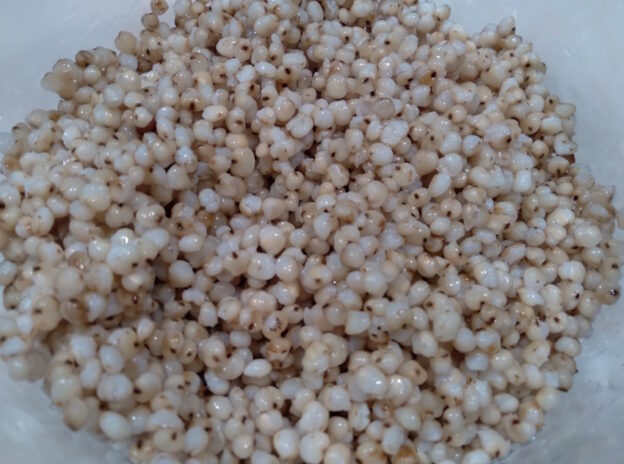
Sorghum is an ancient grain that is versatile and packed full of nutrients. It belongs to the grass family, Poaceae. Sorghum is small, round, and usually white or pale yellow, with some varieties being red/burgundy, brown, black, or yellow. It can be cooked like rice or quinoa, ground into flour, or popped like popcorn. Sorghum is one of the leading five cereal crops in the world, with the United States being the top producer.

The domestication of sorghum dates back to 8,000 BC in northeastern Africa. Over time it was carried throughout Africa and eventually around the world. The earliest record of sorghum in the United States comes from Ben Franklin in 1757 when he wrote about its application in making brooms.

In the United States and many other countries, sorghum is mostly used for livestock feed and other applications in the animal industry. It is also used for renewable fuel production in the making of ethanol. However, the grain is becoming increasingly popular in the consumer food industry. Its rich nutritional profile makes sorghum an inviting food for consumers and foodservice professionals to explore creative new ways to serve meals and snacks. Sorghum can be cooked on a stovetop, in a slow cooker, an oven, and even a rice cooker. It is becoming increasingly popular, in part, because it is non-GMO, gluten-free, and high in protein and other nutrients. It is also relatively inexpensive.


Nutrition and Health Benefits

When we say that sorghum is packed full of nutrients, it is no exaggeration. We often think of quinoa as being a nutritional powerhouse, but in all but one of the following nutrients (riboflavin), sorghum tops quinoa in its nutritional content.

Sorghum is an excellent source of protein, containing 20% or more of the Daily Value in one serving, fiber, phosphorus, zinc, thiamin, niacin, Vitamin B6, selenium, copper, iron, magnesium, and manganese. It is a good source of riboflavin, pantothenic acid, and potassium. It also contains some Vitamin E and folate. Overall, sorghum beats quinoa, corn, wheat, oats, and rice in its nutritional content. It is also very rich in antioxidants, providing many health benefits helping to protect us against chronic disease. If that’s not enough, sorghum is naturally gluten-free, so it’s an excellent choice for anyone suffering from celiac disease or non-celiac gluten sensitivity. That’s saying a lot for one food!

* Sorghum is gluten free. Many people are avoiding gluten for health reasons, such as celiac disease or non-celiac gluten sensitivity. The demand for gluten-free products is increasing. Sorghum can be a good alternative to gluten-containing grains since there are different varieties and they can be used in a number of ways. It can be popped like popcorn, ground into flour and used in baked goods such as breads, cookies, and other desserts, or used as a whole grain in soups, stews, casseroles, other main dishes, and many types of side dishes.

* Sorghum is rich in antioxidants. Whole grain sorghum has a wide array of phytonutrients that function as antioxidants in the body. They include varieties of tannins, phenolic acids, anthocyanins, phytosterols, and policosanols. The bran layer of sorghum has significantly more antioxidants than fruits like blueberries, strawberries, and plums. Antioxidants are known to help slow down the aging process and eating foods high in antioxidants has been linked to a lower risk of developing heart disease, cancer, Type 2 diabetes, and some neurological diseases. Furthermore, antioxidants in whole grains, like sorghum, have been shown to lower mortality rates from cardiovascular disease by reducing blood cholesterol and preventing arterial clotting.

* Sorghum is anti-inflammatory. Many diseases are promoted by chronic inflammation. The antioxidants in sorghum can help to combat cellular damage by reducing inflammation. In a review of 19 studies that appeared in the November 2016 issue of Nutrition Reviews, researchers confirmed that sorghum decreased markers of inflammation.

* Sorghum may improve blood sugar. In the same review of 19 studies (mentioned in the previous paragraph) that appeared in the November 2016 issue of Nutrition Reviews, researchers also found that sorghum improved blood glucose levels. It appears to play a significant role in supporting glucose homeostasis, which is extremely important in managing diabetes. This could be very helpful to those living with diabetes or prediabetes. Note that blood glucose responses to food will vary from person to person, based on how much carbohydrate is eaten at one time, and what other foods are eaten along with the carbohydrate foods within the same meal.

* Sorghum improves digestive health. Sorghum is an excellent source of dietary fiber. Having ample fiber in the diet is vital for proper digestive function. It keeps the contents of your GI tract moving forward, preventing constipation. It also helps to regulate blood sugar, lower cholesterol, and prevent diverticulitis, hemorrhoids, gallstones, and kidney stones.

* Sorghum Inhibits cancer. Some phytonutrients in sorghum have been shown to have cancer-inhibiting benefits, especially of gastrointestinal and skin cancers. Research studies have linked sorghum to reduced risk of esophageal cancer, whereas wheat and corn consumption have been linked with higher rates. Whole grains in general have been linked with reduced rates of other digestive tract cancers, especially colon cancer. Scientists are not sure if it is due to specific phytochemicals or the fiber in the grain. Sorghum is high in both components, so including sorghum in the diet helps to guard against such types of cancer.

* Sorghum may help with cholesterol management. In the September 2005 issue of The Journal of Nutrition, researchers tested the effect of sorghum lipids on the cholesterol levels of animals. Non-HDL cholesterol levels were lowered in all animals tested when given varying amounts of sorghum lipid extracts for four weeks. The level of HDL (the “good” cholesterol) was not affected. The researchers concluded that phytonutrient components of sorghum grain may work collectively in lowering plasma and liver cholesterol concentrations. They further stated that the data suggested that sorghum could be used to manage cholesterol levels in humans.


Types of Sorghum
There are numerous different types of sorghum, including white, burgundy (also referred to as red sorghum), brown (also referred to as sumac sorghum), and black sorghum. White sorghum is the most commonly found variety, followed by burgundy (or red sorghum), brown (or sumac), then black. There is also reference in the literature to waxy white, waxy burgundy, and yellow sorghum varieties, but they are not readily available on the retail market. All sorghum is naturally gluten-free so any type would be appropriate for anyone with celiac disease, gluten intolerance, or gluten sensitivity.

White Sorghum. This is readily available online, packaged in one pound or more increments. It may be sold ground as white sorghum flour that can be used in gluten-free baking, adding valuable protein and nutrients to your baked dish. It is also sold as a whole grain that can be cooked and enjoyed as you would any whole grain. White sorghum is high in resistant starch, which has been shown to help improve insulin sensitivity, lower blood sugar levels, reduce appetite, and aid digestion. Some grocery stores carry white sorghum, whole or ground into flour. If your grocery store does not carry sorghum, shop for it online.

Burgundy (or Red) Sorghum. Burgundy sorghum is usually referred to as red sorghum. Because of its rich color, it is very high in antioxidants. Burgundy or red sorghum has a similar nutrition profile as white sorghum, but with enhanced benefits from the additional antioxidants. Red sorghum has been used commercially in the production of fermented products and beer.

Brown (or Sumac) Sorghum. Like burgundy or red sorghum, brown (or sumac) sorghum is high in antioxidants and fiber. It is an excellent addition to any diet for its anti-inflammatory benefits, and is excellent in the making of pasta and porridge. Brown (or sumac) sorghum is a relative of the spice sumac, but they are not the same thing.

Black Sorghum. Black sorghum is high in antioxidants, protein, and fiber. It can be ground into flour and used to create artisan breads, cakes, cookies, and brownies with a dark color and high nutritional value. Black sorghum may also be sprouted, used in pilafs, soups, stews, and also enjoyed as a cereal. This type of sorghum is not suitable for popping, as the yield will be very low. Black sorghum is available on the retail market, but it is very hard to find.


How to Store Sorghum

Like other whole grains, sorghum should be stored in an airtight container in a cool, dry, dark place. It can be stored for up to a year in the freezer or about six months in the pantry. Once it is cooked, it should be stored in the refrigerator in an airtight container and used within one week.

If you have cooked more sorghum than you need at that time, it can easily be frozen for later. Simply put the cooked sorghum in a freezer container and place it in the freezer. It can be reheated on the stove, in the oven, or in the microwave. Adding a small amount of water to it when reheating will help to keep it from drying out and/or sticking to the pan when being reheated.

How to Prepare Sorghum
Since there are different forms of sorghum grain, it is important to follow the package directions, appropriate for what you have. In general, to prepare the whole grain, rinse them well first, and drain off the rinse water. Place one part of rinsed, raw sorghum grains in a pot with 4 parts of water, broth, or other liquid. Any flavorings, such as salt, may be added at this time. Bring the mixture to a boil, then reduce heat to medium-high. Cook uncovered for 50 to 60 minutes, until the grains are soft and chewy. Drain and serve.

To cook sorghum in a crock pot or slow cooker, first rinse and drain your whole grain sorghum. Then place 1 cup of rinsed sorghum and 4 cups of water or liquid of choice to your crockpot. Cover the pot and set it on high for 4-1/2 to 5 hours, until it is fully cooked. Drain off the excess liquid into a colander. Rinse the cooked grains, if needed, season as desired, and serve.

To cook whole grain sorghum in a pressure cooker, rinse and drain 1 cup of sorghum and place it in your cooker. Add 2 cups of water or stock. Set the cooker on high pressure for 20 minutes. Once the pressure cooker is finished, remove from heat and release the pressure before removing the lid. Drain the sorghum into a small colander. Rinse the sorghum and fluff it with a fork. Add your favorite seasonings or other ingredients, and serve, or add it to your recipe.


Quick Ideas and Tips for Using Sorghum
There are different forms of sorghum that can be used in different ways:

* Whole grain sorghum includes the whole grain with all three parts: the bran, the endosperm, and the germ. Whole grain sorghum can be boiled or steamed and enjoyed alone or added to salads, side dishes, soups, stews, pilafs, grain bowls, or main dish recipes.

* Pearled grain sorghum has had the bran and some of its germ removed. It is softer than the whole grain variety. Pearled sorghum goes well in soups.

* Popped or popping sorghum is smaller, sweeter, and more nutrient-dense than popcorn. It has fewer calories and less fat. It can be popped in the microwave or on the stove. It can also be purchased already popped.

* Flaked sorghum is also available. It is similar to other grains, like oats. Flaked sorghum is delicious as a cereal and in baked goods, like granola bars and cookies.

* If you’re new to using sorghum, it’s a chewy gluten-free grain that works well in grain bowls, salads, soups, stews, pilafs, side dishes, main dishes, and even baked goods. It can be cracked and used as a porridge or in a risotto-like dish. It can even be popped like popcorn.

* Sorghum syrup is a natural sweetener made from the stalks of sweet sorghum. It is similar to molasses, although it tastes sweeter. It is actually lower in total sugars than molasses, but higher in fructose, giving it a sweet flavor. Sorghum syrup can be used in baked goods and desserts. Typically it can be substituted for molasses on a 1:1 basis, but if you find sorghum syrup to be too sweet, reduce the amount of syrup while slightly increasing the amount of other liquid in your recipe.

* To help make sorghum easier to digest, it can be soaked for 8 hours or overnight before being cooked. Note that presoaking sorghum is not mandatory, but may be helpful for those with digestive issues. Discard the soaking water and boil it in three times more fresh water than sorghum for about an hour, or until tender, then drain off excess water. Soaked sorghum may also be cooked in a rice steamer or slow cooker.

* Whole grain sorghum can be popped like popcorn. Place ½ cup of whole grain popping sorghum into a small paper bag. Fold down the top of the bag and lay the bag flat in a microwave, with the fold facing down. Cook on high for 2 to 3 minutes (depending on the strength of your microwave), or until there are more than 10 seconds between pops. Remove the bag from the microwave and sprinkle lightly with salt or other toppings of choice. Enjoy!

* To pop sorghum on the stovetop, heat a stainless steel pot with a tight-fitting lid over medium heat. Add 2 teaspoons of oil, if desired. When the pan is hot, add ½ cup of whole grain popping sorghum and cover with the lid. Shake the pot often to prevent burning. When there are more than 10 seconds between pops, remove from the heat. Sprinkle lightly with salt or other seasonings of choice. Enjoy!

* For a delicious side dish, combine cooked sorghum with roasted vegetables of choice, and caramelized onions and mushrooms.

* Sorghum has a nice chewy texture and nutty flavor, so it makes an excellent addition to a grain bowl or salad.

* Sorghum is a very versatile grain that could be used in place of rice in just about any dish, whether it’s a main course, side dish, pilaf, soup, stew, or even dessert such as rice pudding. Since it does have a long cooking time, in some cases it may be best to precook the sorghum before incorporating it in a recipe.

* For an easy side dish with sorghum, cook sorghum grains until tender, then sauté them with aromatic vegetables like onions and garlic. Add in vegetables of choice, and finish with a little sprinkle of fresh herbs, such as parsley or cilantro. You’ll have a flavorful dish that should please most anyone.

* Try using sorghum instead of bulgur wheat when making tabbouleh for a gluten-free alternative.

* When baking with sorghum flour, it’s important to note that sorghum flour absorbs more liquid than does wheat flour. So, the liquid ingredients in a recipe may need to be adjusted. Also, since sorghum does not contain gluten, it cannot be substituted 100% for wheat flour in baked goods containing yeast. It should be used like other gluten-free flours, where a mixture of flours and a binder of some sort (such as xanthan gum or guar gum) will help improve the texture of the baked product.


Herbs and Spices That Go Well with Sorghum

Basil, bay leaf, cardamom, cayenne, chili flakes, chili powder, cilantro, cinnamon, cloves, coriander, cumin, curry powder, dill, fennel seeds, garlic powder, marjoram, mint, nutmeg, oregano, paprika, parsley, pepper (black), rosemary, saffron, salt, tarragon, thyme, turmeric

Foods That Go Well with Sorghum
Proteins, Legumes, Nuts, Seeds: Beans (in general), edamame, eggs, legumes (in general), lentils, meats, nuts (in general), peas, pine nuts, poultry, seafood, sesame seeds, tahini, tofu, walnuts

Vegetables: Bell peppers, broccoli, broccoli rabe, cabbage, carrots, chives, cucumbers, eggplant, fennel, garlic, ginger, kale, leafy greens (in general), mushrooms, onions, scallions, spinach, sprouts (i.e., bean, pea), squash (winter and summer), tomatoes, vegetables (in general)

Fruits: Avocadoes, coconut, dried fruit (in general), lemons, limes, oranges, pineapple, pumpkin, raisins

Grains and Grain Products: Other grains (in general)

Dairy and Non-Dairy Products: Cheese (i.e., feta, Parmesan), coconut milk, cream, milk, yogurt

Other Foods: Mirin, miso, oil (esp. olive, sesame), sea vegetables, soy sauce, stock, vanilla, vinegar (esp. rice)


Sorghum has been used in the following cuisines and dishes…

African cuisines, cereals (hot), Indian cuisine, khichuri, pilafs, popped sorghum, porridges (savory or sweet), salads (grain), soups


Suggested Food and Flavor Combos Using Sorghum

Try any of the following combinations…

Sorghum + Almonds + Cinnamon + Fruit + Maple Syrup + Vanilla
Sorghum + Black Beans + Garlic + Kale + Tahini
Sorghum + Butternut Squash + Garlic
Sorghum + Carrots + Leeks or Onions + Parsley [in a pilaf]
Sorghum + Cilantro + Garlic + Lime + Onions
Sorghum + Cinnamon + Raisins + Vanilla + Milk
Sorghum + Coconut + Raisins
Sorghum + Dates + Pecans
Sorghum + Dried Cherries + Pine Nuts
Sorghum + Feta Cheese + Mint
Sorghum + Fruit (of choice) + Nuts (of choice)
Sorghum + Ginger + Leeks + Peas
Sorghum + Kale + Scallions
Sorghum + Lentils + Spinach
Sorghum + Mushrooms + Spinach + Tofu
Sorghum + Sage + Root Vegetables
Sorghum + Sesame Seeds + Mushrooms + Tofu


Recipe Links

Garden Vegetable Stir-Fried Sorghum https://www.sorghumcheckoff.com/recipes/garden-vegetable-stir-fried-sorghum/

Southwest Sorghum Sliders https://www.sorghumcheckoff.com/recipes/southwest-sorghum-sliders/

Wondergrain Stir-Fry https://www.sorghumcheckoff.com/recipes/wondergrain-stir-fry/

Pearled Sorghum Cowboy Dip https://www.sorghumcheckoff.com/recipes/pearled-sorghum-cowboy-dip/

Tex-Mex Sorghum Chili https://www.sorghumcheckoff.com/recipes/tex-mex-sorghum-chili/

Stir-Fried Thai Sorghum Bowl https://www.sorghumcheckoff.com/recipes/stir-fried-thai-sorghum-bowl/

Green Goddess Buddha Bowl (Vegan, Gluten-Free) https://www.sorghumcheckoff.com/recipes/green-goddess-buddha-bowl-vegan-gluten-free/

Popped Sorghum Peanut Butter Balls https://www.sorghumcheckoff.com/recipes/popped-sorghum-peanut-butter-balls/

Moroccan Chickpea Sorghum Bowl https://www.sorghumcheckoff.com/recipes/moroccan-chickpea-sorghum-bowl/

Sorghum Fruit Pico De Gallo https://www.sorghumcheckoff.com/recipes/sorghum-fruit-pico-de-gallo/

Spring Tahini Sorghum Lentil Bowl https://www.sorghumcheckoff.com/recipes/spring-tahini-sorghum-lentil-bowl/

Sorghum Tabbouleh https://www.sorghumcheckoff.com/recipes/sorghum-tabbouleh/

Sorghum Grape Lentil Salad https://www.sorghumcheckoff.com/recipes/sorghum-grape-lentil-salad/

Zest Fest Salad with Lemon Lime Dressing https://www.sorghumcheckoff.com/recipes/zest-fest-salad-with-lemon-lime-dressing/

Cucumber Sorghum Salad https://naturallyella.com/cucumber-sorghum-salad/

Garlic Green Beans with Sorghum and Walnuts https://naturallyella.com/garlic-green-beans-with-sorghum-and-walnuts/

Roasted Carrot Multi-Grain Pilaf with Pepita Pesto https://naturallyella.com/roasted-carrot-multigrain-pilaf/

Sorghum Tabouli https://naturallyella.com/sorghum-tabouli/

Three Grain Pilaf with Roasted Asparagus https://naturallyella.com/grain-pilaf-with-asparagus/

15 Scrumptious Sorghum Recipes https://nutriciously.com/sorghum-recipes/

20 Tasty Sorghum Recipes You Need to Make Right Now https://www.eastewart.com/recipes-and-nutrition/ancient-grains-20-sorghum-recipes-youll-love/

25 Best Sorghum Recipes and Menu Ideas https://insanelygoodrecipes.com/sorghum-recipes/

Curried Sorghum Cakes with Carrots and Arugula https://zestfulkitchen.com/curried-sorghum-cakes-with-carrots-and-arugula-recipe/#tasty-recipes-4325-jump-target


Resources
https://www.sorghumcheckoff.com/sorghum-101/

https://www.jstage.jst.go.jp/article/ras/8/0/8_354/_html/-char/ja

https://nulifemarket.com/types-of-sorghum/

https://www.spiceography.com/sumac/

https://www.healthline.com/nutrition/sorghum

https://www.americansorghum.com/7-benefits-of-eating-sorghum/

https://www.sorghumcheckoff.com/wp-content/uploads/2016/06/Updated-Cooked-Whole-Grain-Sorghums-Nutrient-Profile-2.pdf

https://pubmed.ncbi.nlm.nih.gov/27694643/

https://www.verywellfit.com/sorghum-nutrition-facts-and-health-benefits-5093271

https://pubmed.ncbi.nlm.nih.gov/16140904/

https://wholegrainscouncil.org/whole-grains-101/whole-grains-101-orphan-pages-found/health-benefits-sorghum

https://www.sciencedirect.com/science/article/abs/pii/S003194220400144X?via%3Dihub

https://www.sciencedirect.com/science/article/pii/S2772753X23003222

https://www.healthline.com/nutrition/resistant-starch-101

https://naturenatesllc.com/products/organic-black-sorghum-diy-do-it-yourself-1-lb?variant=43958094201081

https://www.sciencedirect.com/science/article/abs/pii/S003194220400144X?via%3Dihub

https://www.sorghumcheckoff.com/recipes/popped-sorghum-microwave-recipe/

https://naturallyella.com/pantry/grains/sorghum/

https://www.savorysuitcase.com/how-to-use-sorghum-in-cooking/

Page, Karen. (2014) The Vegetarian Flavor Bible. New York, NY: Little, Brown and Company.

About Judi

Julia W. Klee (Judi) began her journey enjoying “all things food” in elementary school when she started preparing meals for her family. That love of food blossomed into a quest to learn more and more about health and wellness as related to nutrition. She went on to earn a BS Degree in Food and Nutrition, then an MS Degree in Nutrition. She has taught nutrition and related courses at the college level to pre-nursing and exercise science students. Her hunger to learn didn’t stop upon graduation from college. She continues to research on a regular basis about nutrition as it relates to health. Her hope is to help as many people as possible to enjoy foods that promote health and wellness.
Sugar Snap Peas

Sugar Snap Peas 101 – The Basics (Revised)


About Sugar Snap Peas

Sugar snap peas, also known as snap peas, are members of the legume family. They are a cross between snow peas (flat pea pods commonly used in Asian stir-fries) and garden peas (shelled, and used in “peas and carrots”). Unlike garden peas, the whole pea, pod and all, of snap peas can be eaten. They are crunchy, sweet, and delicious raw or cooked. They have tough “strings” at the seams of the pod that some people prefer to remove before eating the whole peas with the pod.

Sugar snap peas became widely available in America in the 1970s, courtesy of the University of Arizona. They were developed to provide the sweetness of fresh garden peas without the need for shelling. This makes sugar snap peas a delicious, crunchy, and convenient snack and easy addition to many dishes. Sugar snap peas have a nutritional profile similar to snow peas. Although they are in the legume family, we treat them more as a vegetable than a protein food.


Nutrition and Health Benefits

Sugar snap peas are an excellent source of Vitamin C. They also supply a lot of Vitamins B1, B2, B6, K, iron, manganese, and copper. Furthermore, they provide notable amounts of niacin, Vitamin A (beta-carotene), folate, pantothenic acid, calcium, magnesium, phosphorus, potassium, zinc, protein, fiber, and more. One cup of sugar snap peas has about 35 calories. They are a nutrient-dense food that you can feel free to enjoy all you want!

Weight Management. Since sugar snap peas are a nutrient-dense food, providing few calories with a strong nutritional punch, they can provide a satisfying snack for anyone, especially those struggling with weight issues. They are a crunchy, sweet finger-food that is very portable and can easily be enjoyed as a guilt-free snack, included into meals, appetizer trays, or packed into a to-go meal for children and adults alike. With only about 35 calories in one cup of raw sugar snap peas, they can be an all-you-can eat food with a sweet crunch that you can enjoy any time you want.

Vitamin C. Sugar snap peas are packed with Vitamin C. This critical vitamin is a powerful antioxidant that not only boosts the immune system, but also supports collagen production. Collagen is an important component of skin that naturally declines as we age. Decreasing collagen contributes to the development of wrinkles and crepey skin. It can also lead to weakened muscles, joint pain, gum disease, osteoarthritis and even thinning of the lining of the digestive tract that can lead to gastrointestinal problems. Vitamin C is also important for the absorption of iron from plant foods, making it more bioavailable. Iron is essential for creating hemoglobin, which carries oxygen in the blood. It also helps to create myoglobin, a protein in muscle cells. Since iron is often found in animal foods, including foods such as sugar snap peas in the diet can be especially helpful for those on a plant-based diet. Since sugar snap peas contain iron and Vitamin C, we get a “2-for-1” bonus when making them a regular part of our diet.

B-Vitamins. Sugar snap peas supply an array of B vitamins. These nutrients are needed to make red blood cells and extract energy from the food we eat. B vitamins are found in animal foods and plant foods such as leafy greens, beans and peas. Sugar snap peas also supply folate, another B vitamin. This essential nutrient is especially important before and during pregnancy since a deficiency can promote spinal and brain deformities in the offspring. Furthermore, sugar snap peas also supply Vitamin B6 which helps the body make insulin, non-essential amino acids, and also fight infections. So, including more foods like sugar snap peas in the diet can help to satisfy our nutritional needs in a number of ways!

Bone Health. Sugar snap peas provide plenty of Vitamin K, which is very important in maintaining our bones. This vitamin helps to process calcium, directing it to be incorporated into bone cells. This, of course, can help to prevent osteoporosis and bone fractures. Vitamin K is also important for helping the blood to clot appropriately, which can help the body to heal more quickly, as needed.

Immune Health. Sugar snap peas can also help to support and strengthen the immune system. They are rich in beta-carotene (precursor to Vitamin A), which is important for the growth of immune cells. Vitamin A helps the body to protect itself from invading bacteria and viruses by supporting the development of our immune cells. Also, sugar snap peas are very high in Vitamin C, which is a well-established nutrient for supporting the immune system, especially the white blood cells.

Digestive Health. Sugar snap peas can also help to support our digestive system. They supply valuable dietary fiber, especially when the pods are eaten. Insoluble fiber helps to feed the beneficial bacterial in the digestive tract, acting as a prebiotic. This helps to keep our GI tract healthy and working efficiently, preventing constipation. Ample dietary fiber also helps to lower our risk of certain types of cancer, so you can’t go wrong by adding plenty of fiber-rich foods to your day!

Heart Health. The fiber and antioxidants in sugar snap peas can also help to promote cardiovascular health. Their soluble fiber helps to reduce cholesterol and triglycerides in the blood, while the antioxidants (such as Vitamin C) help to protect our blood vessels from damage. The peas also contain nitrates, which have been shown to improve blood flow and reduce blood pressure.

Blood Pressure Regulation. Not only can the nitrates in sugar snap peas help to reduce blood pressure, but they are also rich in potassium, an electrolyte that helps to keep blood pressure in check by balancing the effects of sodium. One cup of sugar snap peas contains over 350 mg of potassium, nearly 11 percent of the recommended daily intake for adults. Sugar snap peas also are rich in magnesium, which is known to help lower blood pressure. It works by helping to dilate blood vessels, lowering blood pressure. Magnesium is also known to help reduce stress and anxiety, further working toward reducing blood pressure.

Low Glycemic Index. Sugar snap peas are sweet for a legume. Yet, because of their fiber content, they have a low glycemic index, so they should not cause a spike in blood sugar when eaten. They should be a safe food for those contending with blood sugar issues.

Eye Health. Sugar snap peas contain lutein and zeaxanthin, two important antioxidants that are very beneficial in preventing age-related macular degeneration and promoting eye health.


How to Select Sugar Snap Peas

Look for sugar snap peas that are bright green, smooth, and without blemishes. Avoid those that are spotted, discolored, or wrinkled.


How to Store Sugar Snap Peas

Depending upon how old they are when you purchase them, sugar snap peas can keep for up to five days in a plastic bag in the refrigerator. Try to use them by the “Best by” date stamped on the package. Discard any that have become soft or discolored.


How to Freeze Sugar Snap Peas
To freeze sugar snap peas, wash them well and remove the ends and strings if desired. Place them in boiling water for 1-1/2 minutes, then immediately place them in a bowl of ice water for 2 minutes. Remove and allow them to drain well. Place them on a tray and freeze for one or two hours, so they are frozen separately. When frozen, place them in freezer containers or bags and return them to the freezer. They will keep well like this for 8 months.

Some people choose to freeze snap peas without blanching, by simply placing the washed peas (that have been frozen individually on a tray) in a freezer bag and storing them in the freezer. If you choose to do this, use them within 4 to 6 weeks. If frozen that way, the longer they are stored, the more they will lose their color, flavor, and nutritional content.


Can Sugar Snap Peas be Eaten Raw?

Sugar snap peas can be enjoyed raw or cooked. The pod is edible, so you can just pop the whole thing in your mouth and enjoy the natural sweetness and crunchiness of the pea for a snack or add them to salads. They naturally have a tough string that runs along the seam, so removing that before eating may make them more enjoyable and easier to chew.


How to Prepare Sugar Snap Peas
Of course, give your snap peas a good wash before using them. Some people prefer to remove the ends and the tough string that runs along the seam on the pod, although this step is not mandatory. They can be enjoyed whole or cut as needed, and raw or cooked in your recipe. They may be stir-fried, sautéed, blanched, steamed, boiled, roasted, and used in assorted recipes from main dishes to casseroles, soups, stews, and side dishes. They can be enjoyed raw as a snack, included in salads, or enjoyed on a tray with other vegetables and your favorite dip.


Tips and Ideas for Using Sugar Snap Peas

Sugar snap peas can be eaten raw as a snack or used as a healthful and crunchy addition to any salad. They can be steamed, blanched, boiled, braised, sautéed, stir-fried, sautéed, or added to soups, stews, pasta dishes, and casseroles. To keep the crispiness of snap peas, eat them raw or cook them very briefly.

Here are some easy ideas for using sugar snap peas:

* Eat them raw as a simple snack…delicious!

* Slice them and add them to your favorite salad for sweetness and crunch.

* Include them on a tray with other vegetables with your favorite dip or hummus.

* Sauté your sugar snap peas and top them with a little lemon zest, salt and pepper.

* To roast sugar snap peas, lightly coat them with olive oil, sprinkle them with garlic powder, and roast at 400°F for 15 to 20 minutes (turn once during roasting), until they are as crisp and brown as you like. Sprinkle with a little Parmesan cheese and enjoy!

* Add them to your favorite stir-fry.

* Stir-fry sugar snap peas with shredded carrots, onion, garlic, salt, pepper, and a little tamari. Serve over cooked quinoa, then top with a little lemon juice or white wine vinegar, and toasted pepitas.

* Add them to your favorite stir-fry noodle dish.

* Add sugar snap peas to orange stir-fried chicken served over rice.

* Add them to a cold pasta salad.

* Try grilled sugar snap peas for something different.

* If you are cooking your sugar snap peas, to help maintain their crispness, cook them only briefly.

* Slice sugar snap peas and add them to a veggie pizza.

* Add them to a salad with strawberries, avocado and walnuts on a bed of mixed greens. Top with a lemon honey vinaigrette.

* To freeze sugar snap peas, first blanch them by boiling them for 1-1/2 minutes. Then place them in a bowl of ice water for 2 minutes. Drain well, then transfer them to a tray and spread them out in a single layer. Freeze, then transfer to a freezer container or bag. Use them within eight months.

* If a recipe calls for sugar snap peas and you don’t have any or don’t have enough, you could use an equal amount of snow peas, instead. Just note that the snow peas will not have the sweetness nor crunch that you would have with the sugar snap peas. English or green peas may also be substituted for sugar snap peas, but it’s important to know that the pods of green peas are not edible.


Herbs and Spices That Go Well with Sugar Snap Peas

Basil, chervil, cilantro, cumin, curry powder, dill, horseradish, marjoram, mint, mustard seeds or powder, parsley, pepper (black), sage, salt, tarragon, thyme


Foods That Go Well with Sugar Snap Peas

Proteins, Legumes, Nuts, and Seeds: Beef, cashews, nuts (in general), peanuts and peanut sauce, peas (such as green peas), pine nuts, pistachios, sesame seeds, tofu

Vegetables: Asparagus, bell peppers, broccoli, carrots, cauliflower, chiles, chives, fennel, garlic, ginger, leeks, lettuce, mushrooms, onions, radishes, scallions, shallots, water chestnuts

Fruit: Lemons

Dairy and Non-Dairy: Butter and browned butter, cheese (i.e., Parmesan), coconut milk, yogurt

Grains: Noodles, pasta, rice, whole grains (in general)

Other: Miso, mustard (prepared), oils (esp. olive, sesame), soy sauce, sugar, stock, vinegar


Sugar snap peas have been used in the following cuisines and dishes…

Curries, pasta dishes, salads (i.e., grain, noodle, pasta), soups, stews, stir-fries


Some Suggested Flavor Combinations Using Sugar Snap Peas

Combine sugar snap peas with…
Basil + Garlic
Basil + Tofu [in a stir-fry]
Chiles + Garlic + Lemon
Cumin + Thyme
Dill + Olive Oil + Scallions
Garlic + Lemon Zest [with pasta]
Garlic + Mushrooms
Garlic + Pine Nuts
Ginger + Sesame Oil
Lemon + Mint
Mushrooms + Pasta
Mustard + Olive Oil + Vinegar
Peanut Sauce + Soy Sauce [with noodles or pasta]
Sesame Oil + Sesame Seeds

Recipe Links
Black Pepper and Garlic Sugar Snap Pea Pasta https://www.slenderkitchen.com/recipe/black-pepper-and-garlic-sugar-snap-pea-pasta#recipe

Snap Pea and Japanese Eggplant Stir-Fry https://www.slenderkitchen.com/recipe/snap-pea-and-japanese-eggplant-stir-fry#recipe

Garlic Sugar Snap Peas https://www.slenderkitchen.com/recipe/garlic-sugar-snap-peas#recipe

Sesame Sugar Snap Peas https://www.slenderkitchen.com/recipe/sesame-sugar-snap-peas#recipe

Citrus Shrimp Salad and Sugar Snap Peas with Romaine Hearts https://producemadesimple.ca/citrus-shrimp-salad-sugar-snap-peas-with-romaine-hearts/

5 Easy Lunch Ideas with Sugar Snap Peas https://producemadesimple.ca/5-easy-lunch-ideas-sugar-snap-peas/

Scallop Fettuccine and Sugar Snap Peas https://producemadesimple.ca/scallop-fettuccine-sugar-snap-peas/

10 Minute Sugar Snap Peas with Lemon https://www.asweetpeachef.com/sugar-snap-peas/#wprm-recipe-container-20390

14 Spring Sugar Snap Pea Recipes You Need to Try This Season https://www.delish.com/cooking/g74/sugar-snap-pea-recipes/

Asian Beef with Sugar Snap Peas https://www.thechunkychef.com/asian-beef-sugar-snap-peas/#wprm-recipe-container-8743

Summer Strawberry, Snap Pea, Avocado, and Walnut Salad http://healthcheflindsey.com/summer-strawberry-snap-pea-avocado-and-walnut-salad/

Quick Stir-Fried Snow Peas or Sugar Snap Peas https://archive.nytimes.com/dinersjournal.blogs.nytimes.com/2009/04/07/recipe-of-the-day-quick-stir-fried-snow-peas-or-sugar-snap-peas/?_php=true&_type=blogs&_r=0

7 Ways to Eat Sugar Snap Peas This Spring https://www.thekitchn.com/5-ways-to-eat-sugar-snap-peas-144936

Sugar Snap Peas and Cabbage Slaw https://www.healthyfood.com/healthy-recipes/sugar-snap-peas-and-cabbage-slaw/


Resources
https://www.thekitchn.com/whats-the-difference-between-snow-peas-sugar-snap-peas-and-english-peas-ingredient-intelligence-205118

https://www.slenderkitchen.com/article/sugar-snap-peas

https://producemadesimple.ca/the-difference-between-garden-peas-snow-peas-and-sugar-snap-peas/

https://www.thespruceeats.com/blanch-and-freeze-sugar-snap-peas-1327654

https://www.leaf.tv/articles/how-to-freeze-fresh-peas-without-blanching/

https://food.unl.edu/article/snap-peas

https://foodprint.org/real-food/snow-peas-and-sugar-snaps/

https://www.livestrong.com/article/13728222-sugar-snap-peas-nutrition/

https://cronometer.com/#diary

https://www.healthline.com/nutrition/snow-peas-vs-sugar-snap-peas#uses

https://www.webmd.com/diet/health-benefits-snap-peas

https://www.verywellhealth.com/snap-peas-8351181

https://www.icliniq.com/articles/diet-and-nutrition/sugar-snap-peas#what-are-the-health-benefits-of-sugar-snap-peas

Joachim, David. (2010) The Food Substitutions Bible. 2nd Edition. Toronto, Ontario, Canada: Robert Rose, Inc.

Page, Karen. (2014) The Vegetarian Flavor Bible. New York, NY: Little, Brown and Company.


About Judi

Julia W. Klee (Judi) began her journey enjoying “all things food” in elementary school when she started preparing meals for her family. That love of food blossomed into a quest to learn more and more about health and wellness as related to nutrition. She went on to earn a BS Degree in Food and Nutrition, then an MS Degree in Nutrition. She has taught nutrition and related courses at the college level to pre-nursing and exercise science students. Her hunger to learn didn’t stop upon graduation from college. She continues to research on a regular basis about nutrition as it relates to health. Her hope is to help as many people as possible to enjoy foods that promote health and wellness.
Fruits and Vegetables

Polyphenols 101

Polyphenols 101

What are Polyphenols?
If you’ve read any literature about nutrition, or listened to nutrition-based podcasts or videos, you’ve likely heard about “polyphenols” in foods. But what exactly are they?

Polyphenols are a group of compounds that plants make for protection against too much ultraviolet radiation and/or aggression by pathogens. Over 8,000 polyphenols have been identified in various plant species. Polyphenols are classified into different groups based on their structure and function of the number of phenol rings they contain.

The main classes of polyphenols include phenolic acids, flavonoids, stilbenes, and lignans. Some are found in all plants, whereas others are found only in specific plants. The classes of polyphenols can be further divided into many subclasses. Polyphenols can be responsible for providing the colors of flowers, fruits, and leaves, whereas others may act as antipathogenic agents in response to infection or injury to the plant. In the human body, some act as phytoestrogens, while many have antioxidant and anti-inflammatory properties that could have beneficial effects against many chronic diseases.

Some polyphenols often mentioned in scientific or health-related literature include anthocyanins, isoflavones, quercetin, catechins, myricetin, flavonols, flavanols, flavones, flavanones, resveratrol, and lignans.

What is their function in human health and nutrition?
In food, polyphenols can contribute to bitterness, astringency, color, flavor, aroma and oxidative stability of specific plant foods. Over 8,000 polyphenols have been identified in fruits, vegetables, nuts, seeds, herbs, spices, and teas. They have powerful antioxidant and anti-inflammatory properties that can have profound effects on our health. In brief, they can improve heart health, and reduce the risk of diabetes, cancer, and other chronic diseases, while improving immunity and overall health and well-being.

Antioxidants and Disease Prevention. With polyphenols acting as antioxidants, they naturally fight harmful free radical molecules, preventing oxidative stress. This activity helps to protect us from the root causes of many chronic diseases. Many research studies have strongly suggested that long-term consumption of diets high in plant polyphenols decreases inflammation and lowers our risk of developing many diseases such as cancer, cardiovascular diseases, diabetes (and its potential consequences of blindness and amputation), osteoporosis, hypertension, asthma, neurodegenerative diseases, and more.

In a study reported in the May 2021 issue of the journal Molecules, researchers summarized current knowledge on the effects of polyphenols on the prevention of specific diseases. They found that polyphenols can hamper cancer progression, likely due to their involvement in cancer cell apoptosis (cell death). They were also shown to modulate cell cycle signaling and promote cellular defense systems. Current evidence shows that dietary polyphenol intake is linked to lower cancer rates. This has been shown on lung and gastric cancers, along with having beneficial effects on disease progression. Analysis confirmed that a higher intake of some flavonoid classes could lower the risk of some cancers, specifically colon, lung, and stomach cancers.

Oxidative stress has been linked to endothelial dysfunction, which triggers the development of atherosclerosis, leading to cardiovascular disease. Consuming foods that are high in polyphenol antioxidants can reduce oxidative stress and inflammation which could help to reduce the risk of heart disease.

Anti-Aging Effects. Polyphenols can also have anti-aging effects. Oxidative damage takes place normally as we age. The antioxidant capacity of blood is related to dietary intake of antioxidant-rich foods. Research has found that an antioxidant-rich diet is effective in reducing the negative effects of aging. Studies suggest that the antioxidant and anti-inflammatory polyphenolic compounds, especially anthocyanins which are types of flavonoids found in fruits and vegetables, may act as direct anti-aging compounds. Anthocyanins are abundant in brightly colored fruits such as berries and grapes.

Resveratrol, as found in grapes, has been found to consistently prolong the lifespan. It has been found to increase insulin sensitivity. It has also been found to help regulate the expression of genes that contribute to longevity and the resistance of various stresses that can lead to disease.

In a study reported in the March 2007 issue of the Journal of Agricultural and Food Chemistry, researchers reported that quercetin has also been reported to have preventive effects against aging. Quercetin is found in citrus fruits, apples, onions, parsley, sage, tea, red wine, olives, grapes, dark cherries, and dark berries such as blueberries, blackberries, and bilberries.

Neuroprotective Effects. Polyphenols are also helpful in deterring the adverse effects of aging on the brain. Polyphenols are able to cross the blood-brain barrier, which tightly controls the influx of fluids and chemicals in the brain.

Oxidative stress is a factor leading to neurodegenerative diseases, including Alzheimer’s disease. Because polyphenols are strong antioxidant compounds, their consumption may provide protection against neurological diseases. Resveratrol, found in colorful grapes and red wine has been found to be protective against the onset of Alzheimer’s disease. Researchers found that consumption of fruit and vegetable juices containing high concentrations of polyphenols at least three times a week may play an important role in delaying the onset of Alzheimer’s disease. Such antioxidants appear to offer protection because of their ability to influence and modulate cellular processes involved in signaling, proliferation, apoptosis, and redox balance and differentiation.

Researchers have also found that polyphenols provide protective effects against Parkinson’s disease. Consumption of green tea has been linked to the reduced risk of developing Parkinson’s disease. A polyphenol in tea has been shown to protect against a specific neurotoxin that induces Parkinson’s-like disease.

Anti-Diabetic Effects. Polyphenols have been found to improve sensitivity to insulin, reducing the risk of developing diabetes. In a study reported in the December 2021 issue of the journal Frontiers in Pharmacology, researchers found that polyphenols may have antidiabetic effects through their ability to inhibit specific compounds that lead to the development of Type 2 diabetes, along with modulating oxidative stress, inflammation, and other pathways that can lead to decreased insulin sensitivity.

A review of numerous studies on the effects of polyphenols on Type 2 diabetes was reported in the December 2017 issue of the Medical Journal of the Islamic Republic of Iran. Both animal and human studies showed that polyphenols reduced hyperglycemia and improved both insulin secretion and sensitivity. The possible mechanisms included reducing glucose absorption in the intestine, inhibiting carbohydrate digestion, stimulating insulin secretion, modifying glucose release from the liver, activating insulin receptors and glucose uptake in insulin-sensitive tissues, and modulating intracellular signaling pathways along with gene expression. They concluded that various dietary polyphenols may influence blood glucose at different levels and may also help to control and prevent diabetes complications.

Lung Protection. Dietary polyphenols have also been shown to have preventive effects in the treatment of asthma. Epidemiological evidence that polyphenols may protect against obstructive lung disease comes from studies showing that apple intake reduces the prevalence and incidence of asthma and has a positive effect on lung function. Increased consumption of the soy isoflavone, genistein, also has been associated with better lung function in asthmatic patients.

Bone Protection. In animal studies, intake of the polyphenols genistein and daidzein, commonly found in soy, has been reported as being beneficial for preventing bone loss and reduced trabecular volume caused by ovariectomy. In another animal study reported in the November 2010 issue of the Journal of Bone Mineral Research: The Official Journal of the American Society for Bone and Mineral Research, researchers studied the effects of a mixture of phenolic acids found in the blood of young rats fed blueberries. They found the compounds significantly stimulated osteoblast cells, resulting in significantly increased bone mass.

In the September 2012 issue of the Journal of Bone and Mineral Research, researchers studied 3,160 sets of twins registered in the TwinsUK registry. Habitual intakes of flavonoids and specific subclasses were calculated based on food frequency questionnaires. Bone density was measured. They found that total flavonoid intake was positively associated with bone mineral density, with effects markedly noted for anthocyanins and flavones both at the hip and spine. Their findings support the role of flavonoids having a positive effect on bone health.

In the March 2014 issue of the journal Antioxidants (Basel), researchers reviewed a series of human, animal, and cell studies examining the effects of dietary polyphenols, especially those found in berries, and their effects on age-related bone loss. Researchers concluded that the majority of human studies they reviewed demonstrated strong evidence of associations between polyphenol intake (especially from berries), reduced fracture risk, increased bone formation markers, and increased bone mineral density. They stated that berry consumption may be a good dietary strategy to reduce the effects of age-related bone loss and lower the risk of osteoporosis.

Protection From the Sun. Polyphenols have also been found to protect the skin from sunlight damage. Animal studies found that the polyphenols in tea, when taken internally or applied topically, reduce the risk of adverse skin reactions following UV exposure.

Antiviral Activity. Fruits, vegetables, nuts, seeds, spices, herbs, and teas are potential sources of polyphenols. They benefit human health through their antioxidant, anti-inflammatory, anticancer, anti-allergic, antihypertensive, and antiviral properties, among others. A number of studies have shown the potential of polyphenols against various viruses that are responsible for widespread health problems.

Polyphenols in black tea have been found to be helpful with mineral absorption in the intestine, along with exerting antiviral activity. Theaflavins in black tea were found to have anti-HIV-1 activity by inhibiting entry of the HIV-1 virus into target cells. Compounds in green tea have also been shown to have antiviral activity.

According to a study presented in the October 2021 issue of the journal Foods, berries are a rich source of various compounds with antiviral activity. Black elderberries, black currants, blueberries, cranberries, aronia berries, and chokeberries are among those that have demonstrated strong antiviral benefits. Pomegranate fruits have also been shown to have antiviral properties.

What foods contain polyphenols?
With over 8,000 polyphenol compounds having been identified, various types can be found in all whole plant foods such as fruits, vegetables, nuts, seeds, herbs, spices, and teas. In general, plant foods contain a complex mixture of polyphenols, with most being concentrated in the outer layers of plants. This means that it’s best to eat the peels of your fruits and vegetables, if they are edible. Certain polyphenols, like quercetin, are found widely throughout the plant kingdom. Others, such as flavanones and isoflavones, are specific to particular plants.

Specific foods and spices that are particularly high in polyphenols are berries (including blueberries, blackberries, strawberries, and raspberries), plums, sweet cherries, apples, black currants, black olives, pomegranates, artichokes, red onion, spinach, broccoli, asparagus, carrots, cocoa powder and dark chocolate, black tea, coffee, hazelnuts, pecans, turmeric, cloves, cinnamon, ginger, cumin, star anise, peppermint, and many more.

Different factors affect the polyphenol content of plants. The degree of ripeness at the time of harvest, processing, storage time, and environmental factors during growth of the plant, such as soil type, sun exposure, and rainfall, all affect the concentrations and proportions of various polyphenols found in plants. Generally, phenolic acid decreases during ripening, whereas anthocyanin concentrations increase.

Storage directly affects the polyphenol content of foods. The compounds are easily oxidized, which leads to changes in the quality of foods, reducing the polyphenol content over time. For instance, after six months of storage, flour contained the same phenolic compounds with regard to quality, but their concentrations reduced to 70% of what they were when the flour was fresh. Cold storage has only a slight effect on the polyphenols in apples, pears and onions.

What if I can’t get fresh foods?
Overall, if you can’t get the fresh foods you want year-round, opt for frozen varieties. Frozen fruits and vegetables are processed shortly after harvest, often within the same day. In this case, they are usually harvested at their peak of ripeness, which is contrary to foods harvested for shipment long distances. In that case, they are usually harvested early so they can ripen during storage and shipment, while sometimes being artificially ripened. If you are faced with foods that have traveled long distances before making it to your market, to get the most nutritional benefit from such foods, it may be in your best interest to choose frozen varieties.

Do polyphenols survive cooking?
Cooking has a major effect on the concentration and bioavailability of polyphenols in plant foods. The effects vary greatly from one food and polyphenol compound to the next. Furthermore, different cooking methods also affect the bioavailability of various polyphenols differently. Sometimes, the activity of polyphenolic compounds can be enhanced through cooking, while others can be greatly diminished with cooking.  For instance, onions and tomatoes lose from 75% to 80% of their initial quercetin content after being boiled for 15 minutes. They lose 65% after being cooked in a microwave oven, and 30% after being fried. Yet, at the same time, the bioavailability of other polyphenols in tomatoes (naringenin and chlorogenic acid) can be increased with cooking. In general, boiling plant foods in a lot of liquid causes the most loss of polyphenols into the cooking water. When the liquid is consumed, as in soups and stews, the nutrients are not entirely lost. Otherwise, to help reduce the loss of these valuable compounds, cook the food for as short a time possible in the least amount of liquid possible. Steaming plant foods is an excellent alternative to boiling, and is often the best method for preserving the most polyphenolic compounds when these foods are cooked. Otherwise, consume these foods raw when possible.

Are polyphenol supplements effective?
We know that obtaining an abundance of polyphenols from plant foods can provide a wide array of health benefits. Many research studies confirm that long-term consumption of diets rich in polyphenols helps to protect us from many of the chronic diseases that affect people today. However, when consuming isolated compounds in supplement form, they may not be effective like they are when consumed in whole foods. They may even be detrimental to health and can possibly cause serious negative effects. An overview of the effects of polyphenols when consumed from food vs. supplements was published in the September 2018 issue of Frontiers in Nutrition.

First, taking isolated polyphenol supplements may give some people the impression that the supplements can replace healthy, whole foods like fruits and vegetables. An isolated compound cannot possibly take the place of a whole food, since foods contain hundreds to thousands of important chemicals that can boost health in a number of ways. Furthermore, the compounds in whole foods often work synergistically with each other to give their health-promoting effects. When taken in isolation, the complementary compounds are missing, so the same health effects cannot take place.

In some cases, isolated polyphenols may be used as fortifying agents in processed foods. Such foods are more energy-dense (containing more calories than valuable nutrients), rather than nutrient-dense (containing an abundance of nutrients versus the calories in the food) like whole plant foods. This difference alone can lead to weight gain when processed foods are consumed, despite their fortification with isolated polyphenols. Furthermore, when used as fortifying agents in processed foods, the complementary compounds that the isolated compound would normally interact with in the whole food, are missing. Therefore, it would not have the same healthful effect that it may have when consumed in the whole food.

When relying on clinical data demonstrating the positive effects of isolated polyphenols, it is important to note that tests are conducted using far greater quantities than may be found in whole foods or even in the fortification process. Such tests give a false impression as to the benefits of the isolated compounds since typical foods and even supplements do not supply them in such high quantities. Also, such tests are usually conducted with animals. The effects that such high amounts of isolated polyphenol compounds offer have rarely been tested in human trials.

One example of the possibility of polyphenol supplements having harmful effects was pointed out in the October 2021 issue of the journal Foods. Researchers studied the antioxidant resveratrol, which we know has many healthful properties when consumed in whole foods, and even red wine. However, cellular studies have examined resveratrol’s impact on the antiviral effects of interferon, a natural component of our immune system. Interferons inform the immune system that pathogens or cancer cells are in the body. Interferons trigger killer immune cells to fight those invaders. The researchers concluded that resveratrol supplementation was not suitable for treating the Hepatitis C virus, when compared with the activity of the natural immune system.

Taking isolated polyphenols in supplement form raises concern for harmful effects. Some manufacturers recommend intakes over 100-times higher than those currently associated with a common diet. Some supplementation trials of antioxidants have been associated with adverse effects, including increased mortality or stroke. In some cases, such high dosages of isolated polyphenols may interact with medications, causing potentially serious side effects. Currently, we do not have a complete understanding of safe, beneficial, and effective levels of taking isolated polyphenols, whether they are taken as supplements or included as fortifying agents in processed foods. To get the most benefit in the safest package, it is far better to consume whole plant foods than taking isolated supplements or getting them in processed foods.

Conclusion
Polyphenols are extremely healthful compounds found in natural plant foods. They can be very important in promoting overall health and wellness, along with helping to prevent chronic disease. Despite the availability of individual polyphenol supplements in the marketplace, it is advisable to strive to get such compounds from whole plant foods. Eating a diverse diet including an abundance of fresh fruits, vegetables, nuts, seeds, whole grains, legumes, herbs and spices can provide you with an array of different polyphenols which will help to boost your overall health and ward off potential disease. So, visit the produce department of your local grocery store and consider it to be an “all you can eat buffet,” after you check out at the register, of course.


Resources
https://health.clevelandclinic.org/polyphenols/

https://www.ncbi.nlm.nih.gov/pmc/articles/PMC2835915/

https://pubmed.ncbi.nlm.nih.gov/17323973/

https://www.webmd.com/diet/foods-high-in-polyphenols

https://www.ncbi.nlm.nih.gov/pmc/articles/PMC6160559/

https://www.ncbi.nlm.nih.gov/pmc/articles/PMC8712966/

https://www.ncbi.nlm.nih.gov/pmc/articles/PMC6014790/

https://www.uclahealth.org/news/polyphenols-can-be-found-in-many-fresh-foods

https://www.healthline.com/health/polyphenols-foods#vegetables

https://www.medicinenet.com/which_foods_are_highest_in_polyphenols/article.htm

https://www.healthline.com/nutrition/benefits-of-plums-prunes#TOC_TITLE_HDR_6

https://pubmed.ncbi.nlm.nih.gov/22549983/

https://pubmed.ncbi.nlm.nih.gov/20499363/

https://www.ncbi.nlm.nih.gov/pmc/articles/PMC4665444/

https://www.ncbi.nlm.nih.gov/pmc/articles/PMC5037798/

https://www.ncbi.nlm.nih.gov/pmc/articles/PMC8534698/

https://pubmed.ncbi.nlm.nih.gov/20066737/

https://pubmed.ncbi.nlm.nih.gov/34438146/

https://www.ncbi.nlm.nih.gov/pmc/articles/PMC2835915/

https://www.ncbi.nlm.nih.gov/pmc/articles/PMC8156030/

About Judi

Julia W. Klee (Judi) began her journey enjoying “all things food” in elementary school when she started preparing meals for her family. That love of food blossomed into a quest to learn more and more about health and wellness as related to nutrition. She went on to earn a BS Degree in Food and Nutrition, then an MS Degree in Nutrition. She has taught nutrition and related courses at the college level to pre-nursing and exercise science students. Her hunger to learn didn’t stop upon graduation from college. She continues to research on a regular basis about nutrition as it relates to health. Her hope is to help as many people as possible to enjoy foods that promote health and wellness.
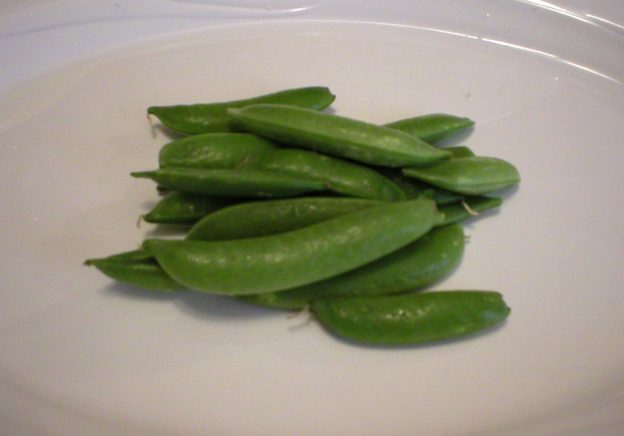
Leeks

Leeks 101 – The Basics (REVISED)

Leeks 101 – The Basics (REVISED)

About Leeks
Leeks are members of the Allium plant family, as are onions, scallions, garlic, shallots, and chives. They are native to the eastern Mediterranean and the Middle East regions. Leeks look like giant scallions (or spring onions), with a bulbous while flesh base, and leafy green tops. However, unlike onions, the bulbous end is not round, but just slightly larger than the stem nearest the roots. Leeks with rounded bulbs are older. Leeks have the mildest flavor of members of their plant family. They add a hint of garlic and onion to dishes they’re used in. Leeks can be eaten raw or cooked. Today, the biggest producers of leeks are Indonesia, Turkey, France, Republic of Korea, and Belgium.


Nutrition and Health Benefits

Leeks are a nutrient-dense food, meaning they are low in calories but high in nutrients. They are high in Vitamin A (from carotenoids), Vitamin K, Vitamin C, manganese, Vitamin B6, copper, iron, and folate. They also have notable amounts of Vitamins B1, B2, B3, B5, E, and magnesium, calcium, potassium, phosphorus, and fiber. They are also rich in flavonoids, which serve as antioxidants, protecting the body against harmful free radical molecules. With leeks being members of the allium family (like onions and garlic) and so rich in nutrients, they have health-promoting properties that benefit us in a number of ways.

Protection Against Cancer. Foods in the allium family have been associated with a lower risk of some cancers. Studies have found that those who eat a lot of garlic, shallots, chives, onions, and leeks have a reduced risk of developing cancers of the prostate, stomach, colon, and esophagus. It is believed that the antioxidants in these foods contribute to this beneficial effect.

Cardiovascular Health. The flavonoids and other antioxidants in leeks are associated with a lower risk of heart disease. They have positive effects on blood pressure, vascular function, and cholesterol levels, all which affect the health of our heart and cardiovascular system. They also help protect blood vessels and cells from oxidative damage, which helps to protect the heart and prevent disease.

Leeks also contain a high amount of folate, which reduces homocysteine in the blood. Keeping homocysteine levels down directly lowers our risk of heart attack and stroke.

Bone Health. Leeks are exceptionally high in Vitamin K, a nutrient that is crucial for maintenance of healthy bones. Ample intake of Vitamin K has been shown to reduce the risk of osteoporosis and help build denser bones. Leeks also contain a fair amount of calcium, which is well-established as being needed for healthy bones.

Improved Gut Health. Leeks are rich in prebiotic fiber that feeds beneficial gut bacteria. This type of fiber helps to enhance nutrient absorption, and stimulate the movement of food through the intestines along with the secretion of digestive fluids, which aids in the elimination of waste matter from the body. High-fiber foods, such as leeks, can help to reduce inflammation in the intestines.

Protection from Anemia. Being rich in both Vitamin C and iron, leeks can help to protect us from anemia. It is well established that Vitamin C helps in the absorption of plant-based iron (non-heme iron), which can contribute to our iron stores in the body. Eating plant foods rich in both Vitamin C and iron, such as leeks, on a regular basis can help to protect us from iron-deficiency anemia.

Eye Health. Leeks contain lutein and zeaxanthin, two carotenoids that are known to reduce the risk of cataracts and age-related macular degeneration. These conditions are commonly found in older people, and can seriously impair vision and negatively impact quality of life. Regularly eating foods that contain these nutrients can help to protect our vision as we age.


How to Select Leeks
When shopping for leeks, look for ones with dark green leaves that are crisp and free of blemishes. Smaller leeks will be more tender than the larger ones. Avoid ones with dried roots as they are older and not as fresh.

How to Store Leeks
Store leeks uncut and unwashed, wrapped in a paper towel within a plastic bag in the refrigerator. Do not trim or wash leeks until you are ready to use them. If purchased when freshly harvested, they may keep for up to two weeks when stored properly. If you are not sure of their age when bought, try to use them within five days to ensure their freshness.

How to Prepare Leeks
Leeks are grown in trenches that are filled with soil as the plant matures. This keeps the bulb white, but causes dirt to collect between the layers of the plant. As a result, leeks must be cleaned carefully to avoid getting dirt in food. Several methods can be used:

Method 1: Trim off the roots and the tough, dark green tops of the leaves. If the outer layer is wilted or discolored, peel it away and discard. Slice the leek completely in half lengthwise. Separate the leaves and rinse them well under running water. The leeks can then be sliced into desired size pieces.

Method 2: Quarter or halve the leek lengthwise, leaving the root end intact by cutting lengthwise from about one inch up from the root end. Fan the stalks outward and rinse them under running water while rubbing the leaves with your fingers to remove dirt. This works well if using the leek whole in a recipe.

Method 3: If you need sliced leeks, slice them crosswise and wash the pieces well in a bowl of water or in a colander under running water. Repeat this process until you see that all dirt has been removed.

However you choose to wash the leeks, just be sure you wash them thoroughly because there will very likely be dirt between the layers.

How to Preserve Leeks
To freeze fresh leeks: Wash them thoroughly to remove any grit between the layers and allow them to air dry as much as possible to remove water. Remove the outer tough layers, cut off the root end and chop the leeks into desired size pieces. Place them in a labeled freezer bag and store in the freezer. They should keep well for 5 to 6 months. It is helpful to know that frozen leeks will be soft when thawed, so they are best used in cooked applications rather than raw.

To dehydrate fresh leeks: Wash the leeks very well to remove any grit between the layers. Remove the roots and tough green tops. Cut them into ¼-inch crosswise slices. Dehydrate at the temperature recommended by the manufacturer of your dehydrator (usually between 130F and 145F) for 6 to 8 hours. When done, the slices should feel dry and crisp, and have no sign of moisture inside when broken open.

Tips and Ideas for Using Leeks
* The layers at the base of leeks can harbor a lot of dirt. Be sure to carefully rinse away all the dirt or sand between the layers with cold water before using them for food preparation.

* Leeks can be used in place of onions in any dish, raw or cooked imparting a mild onion flavor.

* Add finely chopped raw leeks to salads.

* For an easy side dish, sauté leeks with fennel and a little thyme. Garnish with fresh lemon juice.

* Add leeks to a vegetable mixture before roasting them.

* Use leeks to flavor beans, soups, and stews.

* Dress up your mashed potatoes with leeks. Add chopped leeks to potatoes as they are being boiled. Mash the leeks along with the potatoes for delicious added flavor.

* Make vichyssoise, a cold soup made from puréed cooked leeks and potatoes.

* Add leeks to broth and stews for extra flavoring.

* Serve sautéed leeks over your favorite fish dish.

* Braised leeks sprinkled with fennel seeds or mustard seeds make a wonderful side dish for fish, poultry or steak.

* Add sliced leeks to your favorite omelet or frittata recipe.

* Leeks can be fried, braised, boiled in soups or stocks, roasted in an oven, and even caramelized like onions. When cooking, try not to overcook them, as that will make them mushy. Cook them until fork crisp/tender.

* One pound of leeks is about 2 large leeks. This is about 2 cups trimmed and chopped, or 1 cup cooked.

* If you have a recipe that calls for leeks and you don’t have any or don’t have enough, the following may be used as substitutes: green onions or scallions, shallots, sweet or storage onions (they will impart a stronger flavor), ramps or wild leeks (they will impart a stronger flavor than cultivated leeks).

Herbs and Spices That Go Well with Leeks
Basil, bay leaf, capers, chervil, dill, garlic, ginger, lovage, mint, mustard, oregano, parsley, pepper, rosemary, saffron, sage, salt, sorrel, tarragon, thyme

Foods That Go Well with Leeks
Proteins, Legumes, Nuts, Seeds: Beans (esp. cannellini, fava, green, white), chestnuts, chicken, eggs, ham, lentils, peas, pumpkin seeds, tofu, walnuts

Vegetables: Artichokes, asparagus, beets, bell peppers, cabbage, carrots, celery, chives, fennel, kale, mushrooms, onions, potatoes, pumpkin, scallions, shallots, spinach, squash (winter and summer), tomatoes and tomato sauce, turnips, watercress

Fruits: Lemons, olives, oranges

Grains and Grain Products: Barley, bread crumbs, quinoa, rice, wheat berries

Dairy and Non-Dairy Products: Butter, cheese (esp. blue, cheddar, feta, goat, Gorgonzola, Gruyere, mozzarella, Parmesan, ricotta), coconut milk, cream, crème fraiche, yogurt

Other Foods: Mustard (prepared), oil (esp. hazelnut, olive, peanut, walnut), romesco sauce, vinegar (esp. white wine)

Leeks have been used in the following cuisines and dishes…
Casseroles, custards and flans, gratins, pasta, pesto, pizzas, risotto, salad dressings, salads, sauces, soups, soy sauce, stews, stir-fries, stocks, tarts


Suggested Food and Flavor Combos Using Leeks

Add leeks to any of the following combinations…

Blue Cheese + Thyme
Butternut Squash + Thyme
Carrots + Celery + Onions
Celery + Onions + Potatoes + Stock
Cream + Dijon Mustard + Garlic + Thyme + White Wine
Eggs + Cheese [in a quiche]
Fennel + Gorgonzola Cheese
Fennel + Lemon + Thyme
Feta Cheese + Garlic + Nutmeg + Ricotta Cheese + Spinach
Garlic + Lemon
Lemon + Mustard
Onions + Tomatoes
Potatoes + Watercress

Recipe Links

Assorted Recipes Using Leeks … https://www.thespruceeats.com/best-leek-recipes-4001093

Potato and Leek Casserole … https://bakeatmidnite.com/potato-leek-casserole/

More Assorted Recipes Using Leeks … https://www.bonappetit.com/recipes/slideshow/23-favorite-leek-recipes-like-onions

22 Leek Recipes You Have to Try https://www.delish.com/cooking/g869/leeks-recipes/

21 Leek Recipes You’ll Want to Bookmark https://www.foodnetwork.com/recipes/photos/leek-recipe-ideas

Leek Recipes https://www.bbcgoodfood.com/recipes/collection/leek-recipes

20 Tasty Leek Recipes https://www.acouplecooks.com/leek-recipes/

Potato Leek Soup https://www.onceuponachef.com/recipes/potato-leek-soup.html

Leek Recipes https://www.allrecipes.com/recipes/2445/fruits-and-vegetables/vegetables/leeks/

20 Best Leek Recipes the Family Will Love https://insanelygoodrecipes.com/leek-recipes/

Our 13 Best Leek Recipes https://www.thekitchn.com/leek-recipes-63430


Resources
https://www.thespruceeats.com/leek-selection-and-storage-1808073

https://www.canr.msu.edu/uploads/resources/pdfs/leeks_(hni51).pdf

https://www.healthline.com/nutrition/leek-benefits#TOC_TITLE_HDR_2

https://www.cronometer.com

https://www.webmd.com/diet/health-benefits-leeks

https://draxe.com/nutrition/leeks/

Joachim, David. (2010) The Food Substitutions Bible. 2nd Edition. Toronto, Ontario, Canada: Robert Rose, Inc.

MacKenzie, Jennifer, Jay Nutt, and Don Mercer. (2015) The Dehydrator Bible. Toronto, Ontario, Canada: Robert Rose, Inc.

Page, Karen. (2014) The Vegetarian Flavor Bible. New York, NY: Little, Brown and Company.


About Judi

Julia W. Klee (Judi) began her journey enjoying “all things food” in elementary school when she started preparing meals for her family. That love of food blossomed into a quest to learn more and more about health and wellness as related to nutrition. She went on to earn a BS Degree in Food and Nutrition, then an MS Degree in Nutrition. She has taught nutrition and related courses at the college level to pre-nursing and exercise science students. Her hunger to learn didn’t stop upon graduation from college. She continues to research on a regular basis about nutrition as it relates to health. Her hope is to help as many people as possible to enjoy foods that promote health and wellness.
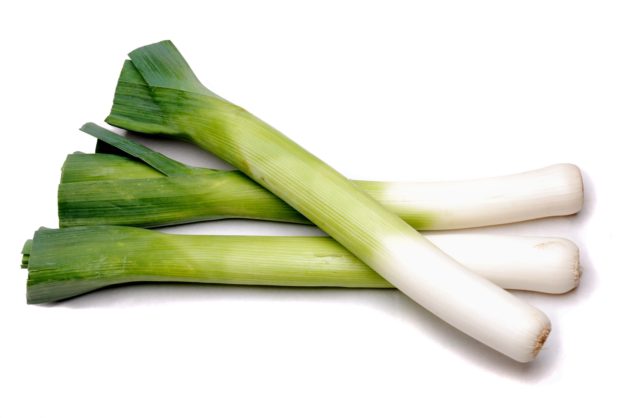
Ginger Root

Ginger 101 – The Basics (REVISED)

Ginger 101 – The Basics (REVISED)

About Ginger
Ginger (Zingiber officinale) is a plant that originated in Southeast Asia, and is closely related to turmeric and cardamom. It has a thick underground stem (rhizome) that produces roots and shoots. The plant can grow up to three feet high. The rhizome is commonly used as a spice, and can be referred to as ginger root, or simply ginger. The flesh of ginger can be yellow, white or red, depending on the variety.  After the rhizomes are harvested, they are washed and dried in the sun, then used for culinary or medicinal purposes. It can be used fresh, dried, powdered, or as an oil or juice. Ginger is used in a wide variety of recipes and also cosmetics. It has been used for its medicinal properties for thousands of years. Its pungent and spicy aroma, flavor, and medicinal properties are due to important compounds including a variety of gingerols, shogaols, and others which have strong anti-inflammatory and antioxidant effects. Ginger grows well in a warm, damp climate, with most of the world’s ginger being grown in China, India, Australia, and Jamaica.

Nutrition and Health Benefits
Ginger is high in Vitamin C, Vitamin B6, magnesium, potassium, copper, manganese, fiber, water, and an array of important phytonutrients that give ginger its medicinal properties.

Precautions. Ginger root is generally considered to be safe with up to 4 grams a day usually being without issue. With higher doses (such as eating a whole knob at one time), there is potential for gastrointestinal discomfort, allergic reactions, prolonged bleeding, central nervous system depression, and heart arrhythmia. Higher doses may interfere with the action of the drug warfarin which may lead to bleeding. Excessive intake of ginger can lower blood pressure too much leading to heart arrhythmia in a small number of people. It may also aggravate gallstone formation by increasing bile acid secretion. Therefore, it is wise to consume ginger appropriately and avoid excessive intake. To be safe, check with your doctor if you’re on medications before taking large amounts of ginger.

Antioxidant protection. Antioxidants are important in the body for fighting free radical molecules and reducing oxidative stress. Free radicals are naturally produced in the body, so antioxidant protection is vitally important in neutralizing these harmful molecules. Many plants, including ginger, are rich sources of antioxidants. Regular consumption of such compounds significantly reduces lipid oxidation and our risk of disease, while providing anticarcinogenic and antimutagenic activities. Because of its antioxidant activity, including ginger in the diet can help to boost the immune system and reduce our risk of disease.

Digestive health and nausea relief. Ginger has been used for centuries as a remedy for nausea and indigestion. This is a folk remedy that truly works. The phytochemicals in ginger appear to accumulate in the gastrointestinal tract exerting anti-inflammatory effects. This helps to relieve GI pain and nausea. Studies found that consuming between 1 and 2 grams (1/2 to 1 teaspoon) of ginger could help reduce nausea and vomiting, morning sickness, motion sickness, upset stomachs, and side effects from chemotherapy. Since ginger is so potent, large amounts should not be taken unless under a doctor’s care.

Ginger may help manage chronic indigestion by speeding up the passage of food through the stomach. Functional dyspepsia is when a person has indigestion (abdominal pain, bloating, feeling too full, belching, and nausea) for no clear reason. It often occurs with irritable bowel syndrome (IBS). In a study reported in the April 2015 issue of the journal Evidence-Based Complementary and Alternative Medicine, researchers found that consuming a ginger and artichoke preparation for four weeks before eating lunch and supper significantly improved the symptoms of indigestion in those with functional dyspepsia, when compared with taking a placebo. The researchers concluded that taking a preparation of ginger and artichoke leaf appears to be safe and effective in the treatment of functional dyspepsia.

Also, eating ginger has been found to reduce fermentation of food by bacteria in the intestinal tract. This can help to relieve the discomfort of gas, bloating, and constipation.

Anticancer benefits. Ginger has been found to be effective against various cancers, particularly those of the gastrointestinal tract including pancreatic cancer, liver cancer, colorectal cancer, cholangiocarcinoma (a type of cancer affecting the bile ducts of the liver), among others, including breast cancer. Experimental studies have shown that ginger’s protective effects against cancer are due to the activity of compounds including various gingerols and shogaols. Gingerol appears to inhibit cancer cell growth, adhesion, invasion, and motility and even selectively kill cancer stem cells. Animal studies have shown that shogaol can inhibit metastasis in triple negative breast cancer cells. Ginger has also been found to enhance the effect of drugs used to treat cancer, in addition to treating the nausea and vomiting associated with chemotherapy. Regarding cancer, it appears you can’t go wrong with adding some ginger to your diet, both as a preventative and during traditional treatment.

Reduced cholesterol and risk of heart disease. It’s well established that high levels of cholesterol are linked to an increased risk of heart disease and stroke. Some studies suggest that adding ginger to your diet can help reduce LDL cholesterol, total cholesterol, and triglycerides. In a study reported in the September 2008 issue of the Saudi Medical Journal, researchers gave subjects 1-gram capsules of ginger three times a day for 45 days. The treatment group members experienced a significant reduction in triglyceride, cholesterol, and LDL levels when compared with the control group. The researchers concluded that ginger has a significant lipid lowering effect compared to a placebo. Similar results were discussed in a meta-analysis of 12 clinical trials, reported in the April 2018 issue of the journal Phytomedicine, and also in a clinical trial reported in the February 2018 issue of Clinical and Medical Biochemistry. It appears to be well established that the addition of ginger to the diet can help to keep blood cholesterol levels in check.

Reduced blood sugar levels. Some research suggests that ginger may have anti-diabetic properties. In a study reported in the May 2022 issue of the journal Complementary Therapies in Medicine, researchers examined ten trials of participants given from 1,200 to 3,000 milligrams (mg) of ginger a day for 8 to 13 weeks. They found a significant reduction in fasting blood sugar and HbA1c in people with Type 2 diabetes after taking ginger supplements, when compared with the control group. They also noted reductions in several other blood markers indicative of oxidative stress, a risk factor for heart disease. A similar study was reported in the Winter 2015 issue of the Iranian Journal of Pharmaceutical Research where Type 2 diabetic subjects were given 2 grams of ginger powder a day for 12 weeks. Fasting blood sugar along with a number of other blood markers important in the monitoring of diabetes were significantly improved in the treatment group when compared with the control group. Researchers concluded that ginger may have a role in alleviating the risk of some chronic complications of diabetes. It appears ginger may reduce the risk of developing Type 2 diabetes and related heart disease, along with managing the condition in those who already have diabetes.

Reduced menstrual pain. Ginger may help to relieve dysmenorrhea, also known as menstrual pain. In the December 2018 issue of the Taiwanese Journal of Obstetrics and Gynecology, researchers conducted a crossover clinical trial involving 168 women from 18 to 26 years of age. They were divided into two groups, with one group taking Novafen (a drug used for menstrual pain), while the other group took ginger. The women took their assigned treatment for two cycles, then were switched to the other treatment. Pain levels were measured before, during, and after treatment. They found that ginger was just as effective at treating menstrual pain as the drug Novafen. They concluded that treatment with natural ginger was the preferred method over the use of the synthetic drug.

In the December 2015 issue of Pain Medicine, researchers reported a review of available evidence (29 studies) for the efficacy of ginger for treating primary dysmenorrhea. They found that the randomized clinical trials they reviewed provided suggestive evidence for the effectiveness of taking 750 to 2000 mg of ginger powder during the first 3 to 4 days of the menstrual cycle for reducing the pain of primary dysmenorrhea.

Potential antimicrobial benefits. The strong compounds in ginger have antimicrobial properties that could make it useful for fighting bacterial and fungal infections. Laboratory studies have found that ginger may be effective against Staphylococcus aureus (S. aureus), Escherichia coli (E. coli), Candida albicans (C. albicans), and others. These microbes are well known for causing a range of health issues. The compounds in ginger have also been found to be effective against periodontal bacteria. With microbes becoming increasingly resistant to drugs, coupled with possible drug-related side-effects, natural means of fighting such pathogens is important. More research in this area is needed, while the outlook is promising.

Relief from osteoarthritis pain. As reported in a 2014 issue of the International Journal of Physiology, Pathophysiology, and Pharmacology, ginger has been shown to provide a potentially significant role in the treatment of osteoarthritis. Studies have revealed that ginger can be used to treat pain associated with osteoarthritis without the potential harmful side effects of common pain medications.

Neuroprotective effects. Ginger has been shown to have neuroprotective benefits, believed to stem from the antioxidant properties of its phenolic and flavonoid compounds. Since oxidative stress and chronic inflammation appear to be key drivers of cognitive decline, ginger may help protect us from degenerative diseases such as Alzheimer’s disease, Parkinson’s disease, and multiple sclerosis. Animal studies suggest the antioxidants and bioactive compounds in ginger can inhibit inflammatory responses that occur in the brain, which may help to prevent cognitive decline.

How to Select Fresh Ginger
Choose pieces that look fresh with smooth skin and no blemishes. They should feel heavy for their size. Avoid pieces that are soft, wrinkled, or moldy.

How to Store Ginger
Store unpeeled ginger tightly wrapped in plastic (or in a zip-lock bag with the air removed) and in the refrigerator. Be sure it is completely dry before wrapping it, or that will invite mold. It should last about a month in the refrigerator when stored properly. Throw it out if it develops mold.

How to Prepare Ginger
Although the skin of fresh ginger is edible, it is usually peeled before being eaten. The best way to peel ginger without losing a lot of the flesh inside is to scrape it with the tip of a metal teaspoon. Hold the ginger root in one hand and the teaspoon in the other hand. Firmly scrape the tip of the spoon along the outer edge of the root and the peel will come off. Once the peel is removed, use the ginger as desired.

How to Preserve Ginger
Ginger is sold fresh, dried, crystallized, and even pickled.

Peeled fresh ginger can be stored for weeks in a glass jar covered with vodka or some other alcoholic beverage.

Fresh ginger can be stored in the freezer. Simply peel, then grate the ginger. Put it on a parchment-lined baking tray in increments you plan to use at one time (i.e., in one teaspoon mounds). Freeze until solid, then transfer the mounds to an air-tight container and return them to the freezer. They should keep for about 6 months. It can be used frozen or will quickly thaw when needed.

Ginger can also be frozen by simply cutting the unpeeled root into one-inch chunks. Place chunks on a plate or baking sheet and freeze. Transfer the frozen pieces to freezer bags and return them to the freezer. For the best flavor, use frozen ginger within 6 months. It will be safe to eat beyond that, but the quality and flavor may deteriorate.

To dry fresh ginger, peel and cut it into small pieces, then follow manufacturer’s directions for drying in your dehydrator.

Fresh ginger may also be pickled. This is a common way to preserve ginger since the pickling liquid balances out the flavors when used with other foods. Pickled ginger is known as gari. It is made from young ginger because the flavor is fresher and the stem is more pliable than that of mature ginger. Younger ginger has pink projections off the stem and is most commonly found in Asian ethnic markets. If you can’t find young ginger, the mature root may be pickled. It can be blanched in water for five minutes to soften it. Also, the longer the ginger is preserved in a rice vinegar and sugar mixture, the softer it will become.

Quick Ideas and Tips for Using Ginger
* Use ginger anywhere you want its sharp spicy flavor. This includes dipping sauces, dressings, rubs, pesto, teas, and even smoothies.

* When ginger is added during cooking will affect the flavor of the dish. If you want the sharp, spicy flavor of fresh ginger, add it toward the end of cooking. When added early in the cooking process, the flavor will mellow and blend with other seasonings in the dish. An example of the latter is when powdered ginger is added to gingerbread batter. After being baked, the bread has a mild, sweet flavor that reflects the well-cooked ginger combined with other spices in the mix.

* Using a microplane grater when preparing ginger will yield finely grated ginger with the least amount of effort. This is a far easier and more efficient option than trying to finely chop it with a knife.

* Try ginger tea with lemon for a comforting drink, especially if you have a sore throat, nausea, or stomach upset. Take a 1-inch chunk of fresh ginger and slice it thinly. Place the sliced ginger in 1 cup of water in a saucepan. Heat the mixture and simmer for 5 to 10 minutes. The longer it simmers, the stronger the flavor will be. Remove the pot from the stove and pour the mixture into a strainer over a mug. If desired, add a slice of lemon and some honey for sweetness.

* Add ginger to juices and smoothies.

* Add ginger to a raw beet salad.

* Ginger, carrots, and sweet potato are a flavorful combo for soup.

* Fresh ginger is used more often in savory dishes, whereas dried powdered ginger is used more often in sweet baked goods, spice blends, slow-cooked dishes (such as stews), beverages and spice rubs.

* To impart a mild ginger flavor to cooked dishes, slice the ginger into discs. Add the slices to your dish as it is cooking. Once enough flavor has infused into your food, remove the pieces.

* Crystallized or candied ginger is often found in the baking or candy section of grocery stores. It contains ginger, granulated sugar, and water. This form of ginger is chewy and sweet. Overall, candied ginger has less heat and more sweetness than fresh ginger. It may be eaten on its own or used in baked goods like sweet breads, biscuits, pies, and cookies.

* To determine if your fresh ginger has spoiled, first examine it visually. The outer layer should be papery, while the interior should be firm and yellow. If the ginger root appears soft, has wrinkles or signs of mold, it has spoiled and should be discarded. If your ginger passes the visual inspection, yet you’re still not quite sure, take note of the smell and flavor. Ginger that is low-quality or spoiled will not be as pungent in taste or aroma. If the ginger is bland but not moldy, it is still safe to eat, but may not impart the flavor you expect in your dish.

* If a recipe calls for fresh ginger and you don’t have any, dried powdered ginger may be used as a substitute. For one tablespoon of minced or grated fresh ginger, try 1/8 to ¼ teaspoon of dried ginger powder. Taste the recipe and adjust as needed. Since ginger is so strong in flavor, it is best to add a small amount of powder at a time and taste as you go, so you don’t add too much. It’s also helpful to know that fresh ginger has a much stronger flavor than the powdered form.

Herbs and Spices That Go Well with Ginger
Anise, basil, cardamom, chili pepper flakes, chili powder, cilantro, cinnamon, cloves, coriander, cumin, curry powder, fennel seeds, garam masala, lemongrass, mint, mustard, nutmeg, parsley, pepper, saffron, salt, turmeric, vanilla, wasabi

Foods That Go Well with Ginger
Proteins, Legumes, Nuts, Seeds: Almonds, beans (green), beef, cashews, chicken, chickpeas, edamame, fish and other seafood, lentils, oysters, peanuts, peas, pork, poultry, salmon, sesame seeds, snow peas, sugar snap peas, tahini, tofu, tuna, turkey

Vegetables: Asparagus, bell peppers, bok choy, broccoli, broccolini, cabbage, carrots, cauliflower, celery, chili peppers, eggplant, fennel, garlic, greens (bitter, such as Asian greens and collards), leeks, mushrooms, okra, onions, parsnips, potatoes, pumpkin, rhubarb, scallions, spinach, sprouts (i.e., bean sprouts, mung bean sprouts), winter squash, sweet potatoes, tomatoes, watercress, yams, zucchini

Fruits: Apples, apple cider, apricots, bananas, berries, blueberries, cherries, coconut, cranberries, dates, figs, fruit (in general), grapefruit, grapes, kiwi, lemon, lime, lychees, mangoes, melons, oranges, papaya, passion fruit, peaches, pears, pineapple, plums, raisins, tamarind

Grains and Grain Products: Buckwheat, corn, noodles, oats and oatmeal, pasta, rice, seitan, wheat and wheat berries

Dairy and Non-Dairy Products: Coconut milk, cream, ice cream, yogurt

Other Foods: Agave nectar, chocolate (white and dark), fish sauce, honey, maple syrup, miso, molasses, oil, rum, sake, sesame oil, soda water, soy sauce, sugar, vinegar

Ginger has been used in the following cuisines and dishes…
African cuisines, Asian cuisines, baked goods (i.e., breads, cakes, cookies, muffins, pies), beverages (i.e., ales, beers, teas), Caribbean cuisine, Chinese cuisine, curries (esp. Asian and Indian), deep-fried dishes (i.e., tofu, vegetables), desserts, dips, ginger ale, gingerbread, hoisin sauce, ice cream, Indian cuisine, Jamaican cuisine, Japanese cuisine, low-salt dishes, marinades, Moroccan cuisine, pasta dishes, pickled ginger, pilafs, salad dressings, sauces, slaws (esp. Asian), soups (i.e., Asian, hot-and-sour, sweet potato), Southeast Asian cuisines, stews (i.e., Moroccan), stir-fries, teas, American cuisine, braised dishes, chutneys, fruit compotes

Suggested Food and Flavoring Combinations
Add ginger to any of the following combinations…

Agave Nectar + Soda Water + Beverage of Choice
Brown Sugar + Carrots + Cinnamon
Brown Sugar + Grapefruit
Carrots + Lemongrass
Carrots + Orange
Chili Powder + Peanuts
Cilantro + Garlic + Rice Wine Vinegar + Sesame + Soy Sauce
Cilantro + Scallions + Garlic
Citrus + Honey
Garlic + Olive Oil + Soy Sauce
Garlic + Parsley
Celery + Carrot + Garlic
Grapeseed Oil + Scallions + Sherry Vinegar + Soy Sauce
Lemongrass + Peanuts
Lime + Mint
Lime + Pineapple + Rum
Maple Syrup + Yams
Peanuts + Yams
Scallions + Soy Sauce
Sesame (oil, seeds) + Soy Sauce

Recipe Links
29 Ginger Recipes That Will Spice Up Your Life https://www.buzzfeed.com/rachelysanders/ginger-recipes

Ginger Tea With Honey and Lemon https://producemadesimple.ca/ginger-tea-lemon-honey/

Fresh Ginger Tea https://cookieandkate.com/fresh-ginger-tea-recipe/

Ginger Sweet Potato Soup with Toasted Curry Croutons https://www.climbinggriermountain.com/2015/11/ginger-sweet-potato-soup-with-toasted-curry-croutons.html

Gingerbread Cookies https://www.canadianliving.com/food/recipe/gingerbread-cookies-4

101 Ways to Cook with Ginger https://www.cookinglight.com/food/recipe-finder/ginger-recipes?

20 Sweet Ginger Desserts https://www.foodnetwork.ca/baking/photos/sweet-ginger-dessert-recipes/#!ina-garten-pumpkin-roulade-with-ginger-buttercream

53 Ginger Recipes That Are Just the Right Amount of Spicy https://www.bonappetit.com/recipes/slideshow/13-recipes-make-want-linger-ginger


Resources
https://www.precisionnutrition.com/all-about-ginger

https://www.everydayhealth.com/diet-nutrition/diet/ginger-nutrition-facts-health-benefits-alternative-uses-more/

https://nutritiondata.self.com/facts/spices-and-herbs/191/2

https://www.thekitchn.com/heres-the-best-way-to-store-fresh-ginger-tips-from-the-kitchn-214681

https://www.finecooking.com/article/whats-the-best-way-to-store-ginger

https://www.thekitchn.com/store-grated-ginger-in-the-freezer-to-make-it-last-longer-tips-from-the-kitchn-186709

https://producemadesimple.ca/goes-well-ginger/

https://www.thespicehouse.com/blogs/news/spice-spotlight-ginger

https://www.healthline.com/nutrition/11-proven-benefits-of-ginger

https://www.hopkinsmedicine.org/health/wellness-and-prevention/ginger-benefits

https://www.tastingtable.com/1061468/tips-you-need-for-cooking-with-ginger/

https://cookieandkate.com/fresh-ginger-tea-recipe/#tasty-recipes-35084-jump-target

https://www.ncbi.nlm.nih.gov/books/NBK565886/

https://pubmed.ncbi.nlm.nih.gov/25838819/

https://www.webmd.com/diet/health-benefits-ginger-water

https://pubmed.ncbi.nlm.nih.gov/35031435/

https://www.ncbi.nlm.nih.gov/pmc/articles/PMC4411465/

https://www.sciencedirect.com/science/article/pii/S1028455918302304

https://www.ncbi.nlm.nih.gov/pmc/articles/PMC4369959/

https://foodforbreastcancer.com/foods/ginger

https://pubmed.ncbi.nlm.nih.gov/18813412/

https://pubmed.ncbi.nlm.nih.gov/29747751/

https://www.walshmedicalmedia.com/open-access/effects-of-ginger-on-ldlc-total-cholesterol-and-body-weight-2471-2663-1000140..pdf\

https://www.ncbi.nlm.nih.gov/pmc/articles/PMC4277626/

https://pubmed.ncbi.nlm.nih.gov/26177393/

https://www.ncbi.nlm.nih.gov/pmc/articles/PMC4106649/

https://www.ncbi.nlm.nih.gov/books/NBK92775/

Joachim, David. (2010) The Food Substitutions Bible. 2nd Edition. Toronto, Ontario, Canada: Robert Rose, Inc.

Page, Karen. (2014) The Vegetarian Flavor Bible. New York, NY: Little, Brown and Company.

About Judi

Julia W. Klee (Judi) began her journey enjoying “all things food” in elementary school when she started preparing meals for her family. That love of food blossomed into a quest to learn more and more about health and wellness as related to nutrition. She went on to earn a BS Degree in Food and Nutrition, then an MS Degree in Nutrition. She has taught nutrition and related courses at the college level to pre-nursing and exercise science students. Her hunger to learn didn’t stop upon graduation from college. She continues to research on a regular basis about nutrition as it relates to health. Her hope is to help as many people as possible to enjoy foods that promote health and wellness.

Cabbage

Purple (aka Red) Cabbage vs Green Cabbage…A Comparison

Purple (aka Red) Cabbage vs Green Cabbage…A Comparison

Characteristics
Green Cabbage. Green cabbage is botanically known as Brassica oleracea var. capitata alba. This type of cabbage has a classic round shape with tightly packed leaves and a pale green color that turns paler toward the core. The color does not bleed when green cabbage is cut. The size of the head can range from small to large. The leaves are somewhat thinner and more tender than those of red cabbage and they hold their color well when used in both raw and cooked dishes.

Purple Cabbage. Purple cabbage, also referred to as red cabbage, is botanically known as Brassica oleracea var. capitata rubra. The two types of cabbages are closely related to each other. Like green cabbage, this type of cabbage also has a classic round shape with tightly packed leaves. However, the leaves of red cabbage are somewhat thicker and crunchier than those of green cabbage. The leaves are a vibrant purple color that are pale at their core. The size of the head can range from small to large, but it is often a little smaller than the green variety.

Purple cabbage has a tendency to bleed its color pigments when cut, potentially staining whatever it comes in contact with. When used in cooking applications, the color of purple cabbage may change to a blueish tint, depending on the pH of the liquid it is in. This is due to the water-soluble pigments it contains, anthocyanins. So far, researchers have identified 36 different anthocyanins in purple cabbage. The pigments turn red in acidic environments with a pH less than 7, while they turn bluish-green in an alkaline environment with a pH above 7. To help maintain the red/purple color of this type of cabbage when cooking, first add a type of acid to the liquid, such as lemon juice or vinegar. This will lower the pH of the cooking liquid, helping to retain the deep, rich color of the cabbage as it cooks. The final color of the cooked purple cabbage will depend on how much acid is added to the cooking liquid. Adding more acid can result in hot pink tones, light red, or simply maintaining its purple color. To achieve a specific color may take some experimentation with types and amounts of acidic ingredients.

Cost
Green Cabbage. Green cabbage is commonly found in most grocery stores and farm markets. It is usually sold by the pound and is relatively inexpensive.

Purple Cabbage. Purple cabbage is found in most grocery stores, although it may not be quite as commonly found as its green cousin. It is also sold by the pound, but its price is usually a little higher than that of green cabbage.

Flavor and Common Culinary Uses
Both varieties of cabbage have similar flavors, but with subtle differences.

Green Cabbage. The flavor of green cabbage is slightly sweet and very mild. It pairs well with many other ingredients and can be used in a wide array of both sweet and savory dishes. It is commonly shredded into salads and slaws for raw dishes. When cooked, it is popular in stir-fries, soups, and stews. It can also be steamed, sautéed, or braised as a delicious side dish, and fermented into sauerkraut.

Purple Cabbage. Purple cabbage has a mild spicy flavor with subtle hints of sweetness. It can add a delightful crunch to any dish. It can be enjoyed fresh in a salad or slaw, and is often paired with its cousin, green cabbage. Purple cabbage is also excellent in stir-fries. It is noteworthy that prolonged cooking can intensify the flavor of purple cabbage. Purple cabbage may also be steamed, sautéed or braised as a delicious side dish. Like green cabbage, purple cabbage may also be fermented or pickled.

Nutritional Benefits
Nutrition. Both green and purple cabbages contain an array of vitamins, minerals, and assorted phytonutrients that make them both very healthy foods to eat. Some nutrients that are particularly high in both types include fiber, iron, magnesium, potassium, manganese, Vitamin C, thiamin, Vitamin B6, folate, and Vitamin K. One cup of raw cabbage, whether green or purple contains about 30 calories.

When comparing the individual nutrient levels in 100 grams (1 cup) of both raw green and purple cabbage, purple cabbage comes out a little higher in most nutrients, especially Vitamin C. In this case, the amount in 100 grams (1 cup) of purple cabbage is 57 mg (76% of the recommended amount of Vitamin C), whereas green cabbage contains 40.3 mg (49% of the recommended amount). BOTH types are very high in this important nutrient, so this difference alone should not sway you against eating green cabbage.

A nutrient that appears to be higher in green cabbage than purple is folate. A 100 gram (1 cup) sample of green cabbage has 43 mcg (11% of the recommended amount), whereas the purple cabbage had 18 mcg, which is a noteworthy difference.

The starkest difference in nutrient content was in their levels of Vitamin K. Green cabbage had 76 mcg, which is 84% of the recommended amount of this valuable nutrient, whereas red cabbage had 38.2 mcg, which is 42% of the recommended amount. Because of the high level of Vitamin K in green cabbage, if you are concerned with bone issues, such as osteopenia or osteoporosis, it may be wise to include green cabbage in your diet, as well as other greens that are particularly high in this nutrient, including spinach, kale, mustard greens, collard greens, Swiss chard, turnip greens, and even dandelion greens.

Health Benefits of Cabbage
When it comes to exceptional health benefits, purple cabbage wins the prize. That’s all due to its rich color and content of powerful antioxidants.

Antioxidants. Purple cabbage is rich in antioxidants including Vitamin C, carotenoids, and flavonoids such as anthocyanins and kaempferol. It often contains higher amounts of these than green cabbage, with antioxidant levels being about 4-1/2 times higher than those found in green cabbage. Antioxidants are important compounds that help protect against cellular damage that can lead to disease. Purple cabbage has been found to be one of the foods that offers the highest level of antioxidants per unit cost. That alone makes purple cabbage worth buying.

Sulforaphane and Anti-Inflammatory Benefits. Sulforaphane is a sulfur-rich compound that broccoli is often prized for. That same compound forms when raw cabbage is cut or crushed. Sulforaphane has been linked to strong heart health benefits and cancer-fighting properties. Also, sulforaphane has been found to help fight inflammation, which contributes to many diseases. In a study reported in the May 2016 issue of Molecular Nutrition and Food Research, researchers using an artificial model of the human gut found that some varieties of purple cabbage reduced markers of gut inflammation by 22 to 40%. Animal studies also found that sulforaphane had anti-inflammatory benefits.

May Enhance Gut Health. Both green and purple cabbages are good sources of fiber, which keeps the gut healthy and helps in digesting foods more easily. Insoluble fiber makes up about 70% of the fiber in cabbage. It adds bulk to stools and helps food to move through the intestines more easily. This reduces the risk of constipation. The other 30% is soluble fiber. This type of fiber feeds the beneficial bacteria living in the gut. In turn, the bacteria produce short-chain fatty acids which feed the cells of the gut. Research has shown that such fatty acids may reduce inflammation and other symptoms of intestinal disorders, such as Crohn’s disease, irritable bowel syndrome, and ulcerative colitis.

Anthocyanins and Heart Health. The flavonoid antioxidants, anthocyanins, that give purple cabbage its rich color have been found to reduce the risk of heart attacks. In the January 2013 issue of Circulation, researchers found that women who regularly ate large amounts of anthocyanin-rich foods may benefit from an 11 to 32% lower risk of heart attacks, when compared with those who eat less of those foods. Higher anthocyanin intakes have also been linked to lower blood pressure, also leading to a lower risk of heart disease. Purple cabbage contains over 36 types of anthocyanins, which makes it an excellent source of those heart-healthy compounds.

May Strengthen Bones. BOTH green and purple cabbages are rich in Vitamin K, although green cabbage does have more of the vitamin than purple cabbage. However, they both contain other bone-building nutrients, including Vitamin C along with lesser amounts of calcium, manganese, and zinc. Vitamin K is exceptionally important in building bone, so if you have been diagnosed with weak bones or are concerned with that potential, you cannot go wrong with including both purple and green cabbage in your diet.

Cancer Protection. Because of its high level of sulforaphane and anthocyanins, purple cabbage may help to protect against some types of cancers. A high intake of cruciferous vegetables, including cabbage, has been linked to an 18% lower risk of colon cancer. Diets rich in cruciferous vegetables have also been linked to a lower risk of breast cancer. Much of this benefit has been attributed to the sulforaphane found in this group of vegetables. There is evidence to suggest that the sulforaphane in purple cabbage and other cruciferous vegetables may help to kill cancer cells or prevent them from growing and spreading. Research also suggests that anthocyanins, found in red, blue, and purple fruits and vegetables (such as purple cabbage), may have similar anti-cancer effects. More human studies are needed in this area.

Immune System Support. Both types of cabbage contain a large amount of Vitamin C. It is well established that this important vitamin plays a crucial role in supporting a healthy immune system. It can strengthen the immune response and protect us against common illnesses and infections. Including any type of cabbage in your diet can help to boost your Vitamin C intake and protect you from pathogens. Although both green and purple cabbages contain high amounts of Vitamin C, purple cabbage actually contains more than the green variety.

Summary
Both green and purple cabbages are extremely healthful vegetables to include in your diet on a regular basis. They have similar flavors and both can be eaten raw, cooked, or fermented. They are relatively inexpensive, and are found in most grocery stores and farm markets, so most people should have access to them. Although they both have excellent nutritional profiles and valuable health benefits, purple cabbage outshines green cabbage because of its high level of antioxidants and other important compounds due to its rich color. To get the most of both types, it would be easy and inexpensive to get each type and combine them in any way you choose. If you had to choose only one, purple cabbage is a win-win food.

Resources
https://fdc.nal.usda.gov/fdc-app.html#/food-details/2346407/nutrients

https://fdc.nal.usda.gov/fdc-app.html#/food-details/169977/nutrients

https://www.savorysuitcase.com/red-cabbage-vs-green-cabbage/

https://www.cronometer.com

https://a-z-animals.com/blog/red-cabbage-vs-green-cabbage-whats-the-difference/

https://ctsciencecenter.org/blog/science-at-play-red-cabbage-juice-indicator/

https://www.tastingtable.com/693822/best-breakfast-sandwiches-america-new-york-los-angeles/

https://www.cookitsimply.com/measurements/cups/cabbage/

https://www.healthline.com/health/foods-high-in-vitamin-k#6.-Broccoli

https://www.medicalnewstoday.com/articles/321586#health-benefits

https://fdc.nal.usda.gov/fdc-app.html#/food-details/169975/nutrients

https://www.healthline.com/nutrition/purple-cabbage

https://www.botanicalformulations.com/blog/extracting-anthocyanins-from-red-cabbage

About Judi

Julia W. Klee (Judi) began her journey enjoying “all things food” in elementary school when she started preparing meals for her family. That love of food blossomed into a quest to learn more and more about health and wellness as related to nutrition. She went on to earn a BS Degree in Food and Nutrition, then an MS Degree in Nutrition. She has taught nutrition and related courses at the college level to pre-nursing and exercise science students. Her hunger to learn didn’t stop upon graduation from college. She continues to research on a regular basis about nutrition as it relates to health. Her hope is to help as many people as possible to enjoy foods that promote health and wellness.
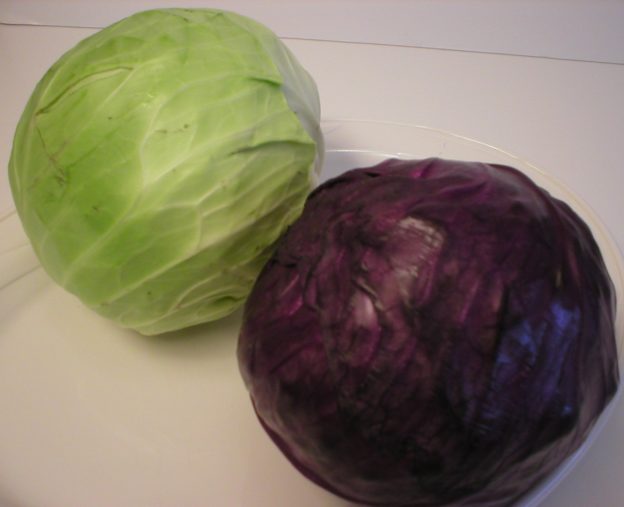
Mangos

Mangoes 101 – The Basics (REVISED)

 Mangoes 101 – The Basics (REVISED)

About Mangoes
Mangoes are a popular fruit around the world. Botanically, the mango is a drupe, with an outer skin, an edible pulp, and a central stone that houses a single seed. Peaches and plums are also drupes. Mangoes are fruits of an evergreen tree in the cashew family. There are over 1,000 different varieties of mangoes, with some being round while others are oval.

Mangoes were first grown in India over 5,000 years ago. From there, mangoes were slowly introduced around the world. Spanish explorers brought mangoes to South America and Mexico in the 1600s. Mangoes were first introduced to America in 1833 when they were taken to Florida. In India, a basket of mangoes is considered to be a sign of friendship, with the mango itself being a symbol of love.

Nutrition and Health Benefits
Mangoes are very nutritious fruits to eat. They are exceptionally high in Vitamin C, with one cup of fresh mango providing 67% of the Daily Value of this important nutrient. Mangoes also supply appreciable amounts of copper, folate, Vitamins B6, A, E, and K, niacin, potassium, and riboflavin. They also contain lesser amounts of magnesium and thiamine. Mangoes have no cholesterol, sodium nor fat. One cup of fresh mango has about 100 calories.

Antioxidant Protection. Mangoes are high in polyphenols, which are antioxidants that help to protect the body against harmful free radical molecules. Free radicals are very reactive compounds that can damage cells, leading to signs of aging, inflammation, and chronic diseases, including cancer and diabetes.

Immune Boosting Properties. Mango supplies an array of immune-boosting nutrients including Vitamin A, Vitamin C, copper, folate, Vitamin E, and some B-vitamins. Of these, the amount of Vitamin C in mangoes stands out since one cup of fresh mango provides about 67% of the Daily Value of this important antioxidant. This can help your body make more disease-fighting white blood cells, while also helping those cells to work more effectively. It can also help to improve the skin’s defenses.

Supports Heart Health. Mangoes contain a variety of nutrients that help to support heart health. They contain magnesium and potassium which help to maintain a healthy blood flow. Those nutrients help blood vessels relax, which promotes lower blood pressure levels. An antioxidant in mango, mangiferin, appears to be especially good for heart health. Animal studies found that this antioxidant may protect heart cells against inflammation, oxidative stress, and cell death. Also, it may help to lower levels of blood cholesterol, triglycerides, and free fatty acids. More studies are needed to confirm this in humans, but the findings look promising.

Supports Digestive Health. Mango contains a class of digestive enzymes called amylases, which break down starch into smaller molecules. The enzymes are more active in ripe mangoes, which explains why they are sweeter than unripe ones. Since humans also produce amylase, eating mangoes can help to augment our breakdown of complex carbohydrates in the digestive tract.

Mangoes also contain water and dietary fiber, which can help with digestive issues like constipation and diarrhea. In a study reported in the June 2018 issue of Molecular Nutrition and Food Research, researchers had subjects eat mangoes daily for four weeks. They found that mango was more effective at relieving symptoms of chronic constipation than taking a supplement containing an amount of soluble fiber similar to that of mango. This suggests that mangoes may have other components along with dietary fiber that help digestive health.

Supports Eye Health. Mangoes supply nutrients that help to support eye health. Two key antioxidants in mangoes are lutein and zeaxanthin. These antioxidants are concentrated in the retina of the eye. The retina converts light into signals so the brain can interpret what you’re seeing. Lutein and zeaxanthin are particularly concentrated in the macula, the center of the retina. The antioxidants act as natural sunblocks, absorbing excess light. They also appear to protect the eyes from harmful blue light.

Mangoes are also a good source of beta-carotene that the body converts into Vitamin A. This nutrient is well-known for supporting eye health. A lack of Vitamin A has been linked to dry eyes and nighttime blindness. Severe deficiencies can lead to more serious conditions such as corneal scarring and even blindness.

Helps Reduce Cancer Risk. Mango is high in polyphenols, which may have anticancer properties. These antioxidant compounds help to protect against oxidative stress, which is linked to many types of cancer. Test tube and animal studies have found that mango polyphenols reduced oxidative stress, and destroyed or stopped the growth of various types of cancer cells, including leukemia, and cancer of the colon, lung, prostate, and breast.

As stated earlier under “Supports Hearth Health,” mangiferin, an important polyphenol antioxidant in mango has promising anticancer effects. Animal studies found it reduced inflammation, protected cells against oxidative stress, and either stopped the growth of cancer cells or killed them. More studies are needed to confirm these effects in humans.

How to Choose a Mango
Color is not always the best indicator of ripeness with mangoes since they can be different colors when ripe. A red color will appear on some varieties of ripe mangoes, but not all. A better test would be to gently squeeze a mango. A ripe mango will give a little when squeezed, like a peach or avocado. A medium-ripe mango will be somewhat firm, while an unripe mango will be very firm to the touch. Also, a fruity aroma can be detected at the stem end of many (but not all) varieties of mangoes. With all things considered, the squeeze test is the best way to determine if a mango is ripe.

Avoid mangoes with bruises or shriveled skin. Those are past their prime and are not the best selections.

Unripe mangoes are very edible, but are not sweet. They have somewhat of a peppery flavor and can be used in savory applications. Ripe mangoes are deliciously sweet and are used in most recipes calling for mango as a sweet fruit.

How to Ripen and Store a Mango
Store unripe mangoes at room temperature. Green mangoes will ripen at room temperature over several days. To hasten ripening, place green mangoes in a paper bag kept at room temperature.

To slow down the ripening process, store ripe mangoes in the refrigerator for up to five days.  Storing mangoes too long in the refrigerator will cause them to turn black.

Peeled and cubed mango may be stored in an airtight container in the refrigerator for several days or in the freezer for up to twelve months.

How to Cut a Mango
First wash your mango. The peel will need to be removed as it can cause irritation in the mouth, and the stone inside needs to be removed. It is large and somewhat flattened. Observe how the mango lays on your counter. It will position itself so the stone is parallel with the counter. Stand the mango up on one end and slice it parallel to the stone on each side of the stone. Then, to help get any remaining flesh off the stone, make narrow slices down the sides of the mango along the wide side of the stone. If your knife hits the stone in the process, simply move the knife outward just a bit and try again.

After removing the stone, with a knife, cut away the peel from the side pieces. Then slice or cube the mango as needed. Sometimes, the skin of very ripe mango slices can simply be peeled back with fingers and removed that way. The flesh of ripe mango can be very slippery to handle, so use caution when slicing it so you don’t cut yourself.

Another way to remove the flesh after cutting the sides off the stone, and before removing the peel, is to gently slice the flesh into cubes with the tip of a knife. Carefully bend the ends of the mango half outward, separating the cubes of flesh. Take a spoon and gently scrape the mango cubes off the skin. Discard the skin and enjoy your mango cubes!

One large mango may yield up to two cups of mango cubes, with the average mango yielding ¾ to 1 cup of mango puree.

Important note! Mango juice can stain clothes, so take precaution when preparing it.

Quick Ideas and Tips for Using Mangoes
Mangoes are usually eaten fresh, but there are some recipes available where creative individuals have incorporated them into baked goods, pies, mousses, curries, cobblers, and crisps. See the recipe links below for details.

* Try grilled mango. Cut each side off a mango to remove the stone. Lightly score the flesh of each cut side into cubes, being careful not to pierce the skin. Carefully pull the edges of the skin backward while pushing the center upward with your fingers to make the cubes stand outward. Brush them lightly with oil, if desired. Place them flesh side down on a medium-hot grill for 1 minute, until lightly charred. Remove them from the grill, season as desired, and enjoy!

* Try roasted mango. Preheat your oven to 350°F. Cut the two sides from a mango, removing the stone. Lay the slices on a baking sheet, cut side up. Top with a small amount of sweetener of choice, such as brown sugar, honey, or maple syrup. Sprinkle with ground cinnamon. Roast in the oven for 20-25 minutes, until the topping is bubbling. Remove from the oven and remove the skin. Enjoy as-is or serve with a topping of choice.

* Serve mango cubes with your favorite yogurt.

* Make popsicles with pureed mango.

* Top pancakes or waffles with cut mango, then drizzle with maple syrup. Yum!

* Include mango in smoothies.

* Dice mango and add it to salsa.

* Add diced mango to a quinoa or other grain salad.

* Add mango to oatmeal.

* Drizzle pureed mango over cooked chicken, fish, or pork.

* Include cubed mango in a fruit or green salad.

* Add fresh ripe mango to a spinach salad.

* Top baked or grilled salmon with mango salsa.

* If a recipe calls for mango and you don’t have any or don’t have enough, peaches, nectarines, or papaya may be used as substitutes.

* Diced frozen mango may be substituted in equal portions for diced fresh mango.

* If you are fortunate enough to have an overabundance of fresh mangoes and are not sure what to do with them, freeze them. Remove the flesh from the stone, dice the flesh and remove the cubes from the peel. To help keep the mango cubes from sticking together in the freezer, place the freshly cut cubes on a tray and place it in the freezer. When the cubes are frozen, transfer them to an airtight freezer bag or container. Store them in the freezer for up to 12 months.

Herbs and Spices That Go Well with Mangoes
Basil, cardamom, cayenne, chili pepper powder or flakes, cilantro, cinnamon, cloves, coriander, cumin, fenugreek, ginger, lavender, mint, oregano, paprika (esp. smoked), parsley, salt, star anise, vanilla


Foods That Go Well with Mango
Proteins, Nuts and Seeds: Almonds, beans (esp. black and cannellini beans), cashews, chicken, chickpeas, duck, fish, legumes (in general), nuts, peanuts, pork, sesame seeds, snow peas, tempeh, tofu

Vegetables: Arugula, bell peppers, chayote squash, chile peppers, cucumbers, endive, fennel, garlic, jalapenos, jicama, lettuce, onions (esp. red, green, sweet), rhubarb, scallions, seaweed, shallots, spinach, sweet potatoes, tomatillos, tomatoes

Fruit: Avocados, bananas, berries (esp. blackberries, blueberries, raspberries, strawberries), coconut, kiwi, lemon, lime, melon, nectarines, oranges, papayas, passion fruit, peaches, pears, pineapple, plantains, tamarind, tropical fruits

Grains: Corn, noodles (esp. Asian), quinoa, rice, tortillas

Dairy and Non-Dairy Products: Almond milk, coconut milk, cream, crème fraiche, ice cream, yogurt

Other: Chocolate (esp. white), honey, liqueurs (i.e., Kirsch), oil, rum, sugar, tapioca, vinegar (i.e., champagne, red wine, rice wine), wine (i.e., sparkling, sweet, white)

Mangoes have been used in the following cuisines and dishes…
Beverages (i.e., juices, lassis, punch), Caribbean cuisines, chutneys, coulis, crepes, curries, desserts (i.e., cheesecake), Filipino cuisine, Indian cuisine, Mexican cuisine, pickles (green mangoes), puddings, relishes (green mangoes), salads (i.e., Asian noodle, fruit, green, pasta, rice), sauces, smoothies, sorbets, soups (i.e., fruit), stir-fries, tarts, Thai cuisine

Suggested Food and Flavor Combos Using Mango…
Add mango to any of the following combinations…

Avocado + chiles + cilantro + lime + onions + vinegar
Bananas + honey + lime juice + orange juice
Beans + cilantro + lime + onions
Bell peppers + cilantro + lime
Blackberries + lime
Cardamom + honey + yogurt
Cashews + Mint
Chiles + cilantro + lime + red onions
Chiles + cumin + garlic + lime + orange
Coconut + tapioca + white chocolate
Coconut + yogurt
Coconut milk + sticky rice
Honey + mint + yogurt
Honey + orange juice + yogurt
Lime + mint + orange + papaya
Lime + raspberries + vanilla
Peach + raspberries

Recipe Links
Jicama Mango Carrot Salad https://youtu.be/2LTb5QeLjfY

25 Mango Recipes You Need to Try https://www.huffpost.com/entry/mango-recipes-dessert_n_1432676?guccounter=1&guce_referrer=aHR0cHM6Ly93d3cuZ29vZ2xlLmNvbS8&guce_referrer_sig=AQAAAIGcJP1n1Ri5h0Iq2Dv1bKBU9oTDNqgBDRPzkVg0qQ-8zf5i6rplqWCAkCrwosqCg2n-nEHCGmA8lDS-8nGSftRRNKfX2nVVmVgE7m9wmD5CzxR9TAkTIqR8UOF504szPGcqjEysfxKxyKttc786iKIELtom6PJpxgZn1X7dZ4RW

Easy Mango Banana Smoothie https://www.allrecipes.com/recipe/231851/easy-mango-banana-smoothie/?internalSource=streams&referringId=16131&referringContentType=Recipe%20Hub&clickId=st_trending_b

Quick Mango Salsa https://www.allrecipes.com/recipe/217283/quick-mango-salsa/?internalSource=streams&referringId=17193&referringContentType=Recipe%20Hub&clickId=st_trending_s

Too Many Mangos? Ideas to Help You Use Them https://delishably.com/fruits/mango-ideas

5 Easy Mango Recipe Ideas https://www.realsimple.com/food-recipes/recipe-collections-favorites/popular-ingredients/mango-recipe

Chicken Mango Curry https://producemadesimple.ca/chicken-mango-curry/

Mango Smoothie https://producemadesimple.ca/mango-smoothie/

Mango Salsa https://producemadesimple.ca/mango-salsa/

All-Purpose Mango Salsa https://www.mango.org/recipes/all-purpose-mango-salsa/

Mango Protein Smoothie https://www.mango.org/recipes/mango-protein-smoothie/

Mango Quinoa Salad https://www.mango.org/recipes/mango-quinoa-salad/

Mango Quinoa Tabbouleh https://www.mango.org/recipes/mango-quinoa-tabbouleh/

Tropical Mango Sorbet https://www.mango.org/recipes/tropical-mango-sorbet/

Baja Fish Tacos with Mango Salsa https://www.mango.org/recipes/baja-fish-tacos-with-mango-salsa/

Check out the MANY recipes listed under the “Recipes” tab on this comprehensive site https://www.mango.org

Mango Pico De Gallo https://www.mango.org/recipes/mango-pico-de-gallo/

Roasted Mango https://www.turnips2tangerines.com/2015/08/roasted-mango.html

Mango Cobb Salad https://www.mango.org/recipes/mango-cobb-salad/

Grilled Mango with Lime, Salt, and Ancho Powder https://www.foodnetwork.com/recipes/bobby-flay/grilled-mango-with-lime-salt-and-ancho-powder-recipe-2120487

Baked Mango with Brown Sugar and Cinnamon https://daybydaymasterpiece.com/2012/08/22/baked-mango-with-brown-sugar-cinnamon/


Resources
https://www.mango.org/about-mangos/

https://producemadesimple.ca/what-goes-well-with-mango/

https://producemadesimple.ca/mango/

https://www.mango.org/

https://www.healthline.com/nutrition/mango

https://pubmed.ncbi.nlm.nih.gov/29733520/

Joachim, David. (2010) The Food Substitutions Bible. 2nd Edition. Toronto, Ontario, Canada: Robert Rose, Inc.

Page, Karen. (2014) The Vegetarian Flavor Bible. New York, NY: Little, Brown and Company.

About Judi

Julia W. Klee (Judi) began her journey enjoying “all things food” in elementary school when she started preparing meals for her family. That love of food blossomed into a quest to learn more and more about health and wellness as related to nutrition. She went on to earn a BS Degree in Food and Nutrition, then an MS Degree in Nutrition. She has taught nutrition and related courses at the college level to pre-nursing and exercise science students. Her hunger to learn didn’t stop upon graduation from college. She continues to research on a regular basis about nutrition as it relates to health. Her hope is to help as many people as possible to enjoy foods that promote health and wellness.

Radish Greens

Radish Greens 101 – The Basics

Radish Greens 101 – The Basics

About Radish Greens
Radish greens are the leafy tops of the radish plant. The radish is a small root crop that is a colorful and spicy addition to salads and other raw and cooked dishes. Most grocery stores carry radishes, either in bags with the leaves cut off, or with the leaves still attached to the radish bulb and tied in bunches. Some grocery stores will carry both options.

Radishes are members of the Brassicaceae or cruciferous family of vegetables and leafy greens. Both the bulbous roots and leafy greens are edible and nutritious. The leaves can be enjoyed as mature greens, microgreens, or as radish sprouts. Radish greens are commonly eaten as a vegetable in Korea and China. The greens have a spicy flavor, similar to their roots, and have been described as having a flavor similar to mustard greens. The flavor can range from slightly bitter to earthy and spicy. When cooked, they are often prepared in a similar way as other leafy greens. Radish microgreens can be used as garnishes on salads, slaws, or sandwiches.

Radishes are native to Asia and are believed to have been growing wild in areas of China and Central Asia. Ancient Egyptians and Greeks consumed radishes as a medicinal aid and natural remedy. The roots were also being cultivated during ancient times to improve flavor and appearance. Early radishes were large, tough, and elongated. As demand increased, breeders developed smaller varieties, including red radishes. Eventually, radishes were introduced to the New World and were planted in North America, Mexico, and the Caribbean. Today, red radish varieties are grown worldwide and are popular for their ease of preparation and mildly spicy, peppery flavor.

Nutrition and Health Benefits
Radish greens are an excellent source of Vitamins K and C, with one cup of the cooked greens providing 171% of the Daily Value of Vitamin K and 77% of the Daily Value of Vitamin C. They also provide a lot of Vitamin B6, magnesium, phosphorus, iron, calcium, Vitamin A (beta-carotene), potassium, and folate. They contain some fiber and protein as well. One cup of cooked radish greens provides 70 calories.

With radishes being in the cruciferous plant family, the greens also contain some sulforaphane, the important antioxidant that broccoli and other cruciferous vegetables are well-known for.

Improved Cognition. In the August 2018 issue of the Journal of Medicinal Food, researchers reported that, in a study involving mice, those given a compound extracted from radish leaves, erucamide, performed better on memory tests than mice who had not received the compound. This suggests that consumption of radish greens may help protect against memory problems associated with Alzheimer’s disease or other forms of impaired cognitive function by improving how specific areas of the brain work. Further research is needed to verify this effect in humans.

Increased Nutrient Absorption and Detoxification. According to Anthony William, the Medical Medium, the nutrients in radish greens are highly absorbable, even in digestive tracts that have become dysfunctional. Their high enzymatic profile allows their nutrients to be absorbed better than other foods. The greens also help to remove pathogens, radiation, pesticides, toxic heavy metals, and other toxins from the body.

Prebiotic and Weight Loss Effects. In the July 2023 issue of the journal Microorganisms, researchers reported their investigation of the effects of specific polysaccharides (types of carbohydrates) in radish greens on gut health and obesity. The results showed that the prebiotics in radish greens increased short chain fatty acid production in subjects. They also reduced fat accumulation in adipocytes, indicating the potential to help reduce obesity. The researchers concluded that radish greens may help to improve gut health and reduce obesity.

Antioxidant Protection. In test-tube and animal research, antioxidant extracts from radish greens demonstrated the ability to protect lung tissues from damage due to oxidative stress from free radical buildup. Free radicals are a natural by-product of metabolism, and antioxidants are used by the body to reduce oxidative stress and damage caused by these destructive molecules. More research with humans is needed to confirm the benefits of eating the whole plant vs antioxidant extracts from radish greens. However, the leaves of radishes may actually be the most nutritious part of the plant. The leaves have more protein, calcium, Vitamin C, and antioxidants than the roots. So, you can’t go wrong when eating radish leaves.

It is well established that antioxidants may also help to protect us from various types of cancer. Many studies have confirmed that radish leaves have antioxidant benefits. The antioxidants found in radish leaves seem to help protect against liver, colon, breast, cervical, prostate, and lung cancers. Much more research in this area is needed.

Lower Risk of Diabetes. Radishes have valuable compounds in them, including glucosinolate and isothiocyanates, that are believed to help manage blood sugar levels. Early studies have shown that these compounds may provide energy and reduce how much glucose is absorbed through the intestines. Radishes also contain coenzyme Q10, an antioxidant that researchers found that helps block the formation of diabetes in animals. More research is needed to confirm these benefits in people.

Protection from Anemia. Like other leafy greens, radish leaves contain high levels of iron. This is helpful for everyone in protection from anemia, but may be of special value to those who have been diagnosed with low levels of iron in their blood.

Immunity Booster. Leafy greens are known to help boost the immune system, and radish tops are no exception. Radish leaves are high in Vitamin C, Vitamin A (in the form of beta-carotene), iron, phosphorus, and folate, all of which are important for boosting the immune system. So, when striving to ward off whatever germs are going around in your area, make a point of eating all the leafy greens you can, and don’t forget the radish tops.

How to Select Radish Greens
Radishes sold with the greens still attached may often be found at farmer’s markets and most grocery stores. All radish greens are edible, although some varieties have a “fuzzy” mouthfeel when eaten raw. Cooking those greens will remove that fuzziness. The red bulb radishes usually mature in 21 to 30 days. Choosing smaller varieties indicates they are usually younger and more tender. Younger greens will have the mildest flavor and will be better suited for eating raw, such as in a salad. Radishes that take longer to grow, such as Daikon or large watermelon radishes will have older, and more bitter greens. The bitterness can be mellowed through cooking.

When shopping for radish greens, look for those that look fresh without any yellow spots or discoloration.

How to Store Radish Greens
Radish greens are very perishable and won’t keep for very long. To extend their life, remove them from the root (radish) when you get them home. Wash the leaves and dry them well. Store them by wrapping them in a paper or cloth towel, and placing that in a plastic bag or container in the refrigerator. Be sure to use them within 2 or 3 days.

If your greens have wilted slightly, they can be revived by placing them in a bowl of cold water for about 5 minutes. Drain them well and spin dry, if needed. Wilted radish greens can be used in pesto or blended into smoothies. They may also be cooked.

How to Prepare Radish Greens
Radish greens are simple to prepare. Like any other green, they should be washed well, then spun dry to remove excess water. Remove any spots or discolored leaves. They can then be used in any way you want.

Quick Ideas and Tips for Using Radish Greens
* Depending on the variety, radish greens can be peppery or spicy in flavor, or milder, like spinach. They can be used in ways you would use other greens with similar flavors.

* Use radish greens to make a spicy pesto.

* Add radish greens to a wrap in place of (or with) lettuce, for added flavor.

* Add radish greens along with their roots to salads for a spicy addition.

* Add radish greens to soups or stews. Because they will cook up quickly, add them toward the end of cooking.

* For a spicy, peppery flavor, top sandwiches with radish greens or microgreens (raw or cooked).

* Add radish greens to a cooked or fresh dish where you add radish roots.

* Blend radish greens into sauces, such as pesto or marinara.

* Add radish greens to casseroles.

* Steam or sauté radish greens with a little garlic and red pepper flakes, if desired, as a side dish. Top them with a dash of lemon juice or vinegar of choice to cut any bitterness.

* Add radish greens to a stir-fry.

* If you like the spicy flavor of radishes but don’t have access to the greens, try growing radish sprouts or microgreens. They are fast and easy to grow, and you don’t need any expensive, special equipment.

* If a recipe calls for radish greens and you don’t have any or enough, you can substitute them with mustard greens, turnip greens, beet greens, watercress, or arugula.

Herbs and Spices That Go Well with Radish Greens
Basil, capers, cayenne, chervil, cilantro, curry powder, dill, marjoram, mint, mustard powder or seeds, oregano, parsley, pepper (black), rosemary, salt, thyme

Foods That Go Well with Radish Greens
Proteins, Legumes, Nuts, Seeds: Almonds, beans (in general), chickpeas, edamame, eggs, pecans, pistachios, sesame seeds, snow peas, sugar snap peas

Vegetables: Arugula, asparagus, beets, bell peppers, cabbage, carrots, celery, chives, cucumbers, fennel, garlic, greens (other leafy greens, in general), lettuce, lovage, mâché, mesclun, mushrooms, onions, purslane, scallions, shallots, turnips

Fruits: Avocados, lemon, olives, oranges, pears

Grains and Grain Products: Barley, bread (in general), grains (in general), quinoa, rice

Dairy and Non-Dairy Products: Butter, cheese (in general), cream, yogurt

Other Foods: Mustard, oil (esp. olive, sesame, walnut), soy sauce, tamari, vinegar

Radish greens have been used in the following cuisines and dishes…
Asian cuisines, European cuisines, French cuisine, German cuisine, hummus, pesto, salads, spring rolls

Suggested Food and Flavor Combos Using Radish Greens
Add radish greens to any of the following combinations…

Avocado + Lettuce
Cabbage + Onions + Salt
Carrots + Cayenne + Lime Juice + Salt
Cilantro + Lime + Olive Oil
Cucumbers + Dill Weed
Cucumbers + Endive + Mustard
Dill + Salt + Vinegar + Yogurt
Garlic + Yogurt
Lemon + Orange
Mint + Orange Slices

Recipe Links

Stir-Fried Radish Greens https://www.bonappetit.com/story/stir-fry-radish-greens

Radish Greens Pesto https://www.loveandlemons.com/radish-greens/

Easy Sautéed Radish Greens https://www.thesophisticatedcaveman.com/how-to-eat-radish-greens/

Radish Top Soup https://www.allrecipes.com/recipe/38036/radish-top-soup/

Radish Greens Dal https://blogexplore.com/food/curries-gravies/radish-greens-dal-mullangi-keerai-kootu-recipe/

Radish Leaves and Avocado Quiche http://gattinamia.blogspot.com/2008/04/raddish-leaves-avocado-quiche.html

Fermented Radish Tops https://www.almostbananas.net/fermented-radish-tops/

Radish Greens Pesto https://www.fromachefskitchen.com/radish-greens-pesto/#recipe

Sweet and Sour Stir-Fried Radishes with Their Greens https://cooking.nytimes.com/recipes/1016665-sweet-and-sour-stir-fried-radishes-with-their-greens


Resources
https://www.healthline.com/nutrition/are-radish-greens-edible

https://www.bonappetit.com/story/stir-fry-radish-greens

https://www.organicfacts.net/radish-greens.html

https://pubmed.ncbi.nlm.nih.gov/30110203/

https://www.medicalmedium.com/blog/radishes-healing-food

https://specialtyproduce.com/produce/Red_Radish_1241.php

https://www.ncbi.nlm.nih.gov/pmc/articles/PMC10385334/

https://www.webmd.com/diet/health-benefits-radish

https://www.bonappetit.com/test-kitchen/cooking-tips/slideshow/how-to-resurrect-food

https://foodprint.org/blog/how-to-use-radish-greens-and-daikon-greens/

https://www.alphafoodie.com/radish-greens/

https://gardenerspath.com/plants/vegetables/eat-radish-greens/

https://health.clevelandclinic.org/eat-these-foods-to-boost-your-immune-system/

https://www.lybrate.com/topic/radish-leaves-benefits

https://www.lifespan.org/lifespan-living/foods-boost-your-immune-system

https://www.cronometer.com

Joachim, David. (2010) The Food Substitutions Bible. 2nd Edition. Toronto, Ontario, Canada: Robert Rose, Inc.

Page, Karen. (2014) The Vegetarian Flavor Bible. New York, NY: Little, Brown and Company.


About Judi

Julia W. Klee (Judi) began her journey enjoying “all things food” in elementary school when she started preparing meals for her family. That love of food blossomed into a quest to learn more and more about health and wellness as related to nutrition. She went on to earn a BS Degree in Food and Nutrition, then an MS Degree in Nutrition. She has taught nutrition and related courses at the college level to pre-nursing and exercise science students. Her hunger to learn didn’t stop upon graduation from college. She continues to research on a regular basis about nutrition as it relates to health. Her hope is to help as many people as possible to enjoy foods that promote health and wellness.